What is the resonance level of a type r catback?
As a supplier of Type R catback exhaust systems, I've encountered numerous inquiries regarding the resonance level of these high - performance components. Understanding resonance levels is crucial for both enthusiasts and professionals in the automotive industry, as it directly impacts the driving experience, engine performance, and the overall appeal of the vehicle.
Understanding Resonance in Exhaust Systems
Resonance in an exhaust system occurs when the sound waves produced by the engine interact with the physical dimensions of the exhaust pipes and chambers. When the frequency of the sound waves matches the natural frequency of the exhaust system, resonance happens. This can result in a phenomenon where the sound becomes amplified or, in some cases, creates an unpleasant drone inside the vehicle cabin, which can be a nuisance during long drives.
The resonance level of a Type R catback is influenced by several factors. One of the primary factors is the design of the catback itself. The diameter of the exhaust pipes, the length of the pipes, and the shape and number of chambers all play significant roles. A well - designed Type R catback will be engineered to control resonance levels and ensure that the overall sound is pleasant and performance - oriented.
For example, a larger - diameter exhaust pipe may reduce backpressure, which is beneficial for engine performance. However, it can also increase the likelihood of resonance at certain engine speeds. On the other hand, smaller - diameter pipes may limit the amount of exhaust gases that can flow out, potentially reducing power but also having different resonance characteristics.
The length of the exhaust pipes is another critical factor. Longer pipes can shift the resonant frequency to lower engine speeds, while shorter pipes may move it to higher speeds. This is why exhaust system designers carefully calculate the pipe lengths to achieve the desired balance between performance and resonance control.
Measuring Resonance Levels
Measuring the resonance level of a Type R catback is not a straightforward process. There are several methods used in the automotive industry to quantify resonance. One common approach is to use a sound level meter, which measures the sound pressure level (SPL) in decibels (dB). By placing the sound level meter at different locations inside the vehicle cabin and at various engine speeds, testers can gather data on how the resonance varies.
Another method is to use a frequency analyzer. This device can break down the sound into its individual frequency components, allowing engineers to identify the specific frequencies at which resonance occurs. By analyzing these frequencies, they can make adjustments to the exhaust system design to reduce or eliminate unwanted resonance.
In our experience as a Type R catback supplier, we have conducted extensive testing on our products. We use a combination of sound level meters and frequency analyzers to ensure that our catback systems meet or exceed industry standards for resonance control. Our testing facilities are equipped with state - of - the - art equipment, and we perform tests on a variety of vehicles to account for different engine configurations and driving conditions.
Impact of Resonance on Performance and Driving Experience
The resonance level of a Type R catback can have a significant impact on both engine performance and the driving experience. From a performance perspective, excessive resonance can cause a loss of power. When resonance occurs, it can disrupt the smooth flow of exhaust gases, creating backpressure and reducing the efficiency of the engine. This can lead to a decrease in horsepower and torque, especially at higher engine speeds.
On the driving experience front, resonance can be a major annoyance. A loud, droning sound inside the vehicle cabin can make long drives uncomfortable and fatiguing. It can also make it difficult to have a conversation or enjoy music while driving. This is why many car enthusiasts are willing to pay a premium for a catback system that offers excellent resonance control.
Our Type R catback systems are designed to strike the perfect balance between performance and a pleasant driving experience. We understand that our customers want a system that not only enhances the power and sound of their vehicles but also allows them to drive in comfort. That's why we invest heavily in research and development to optimize the resonance levels of our products.
Comparing with Other Exhaust Components
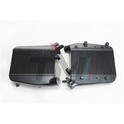
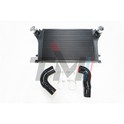
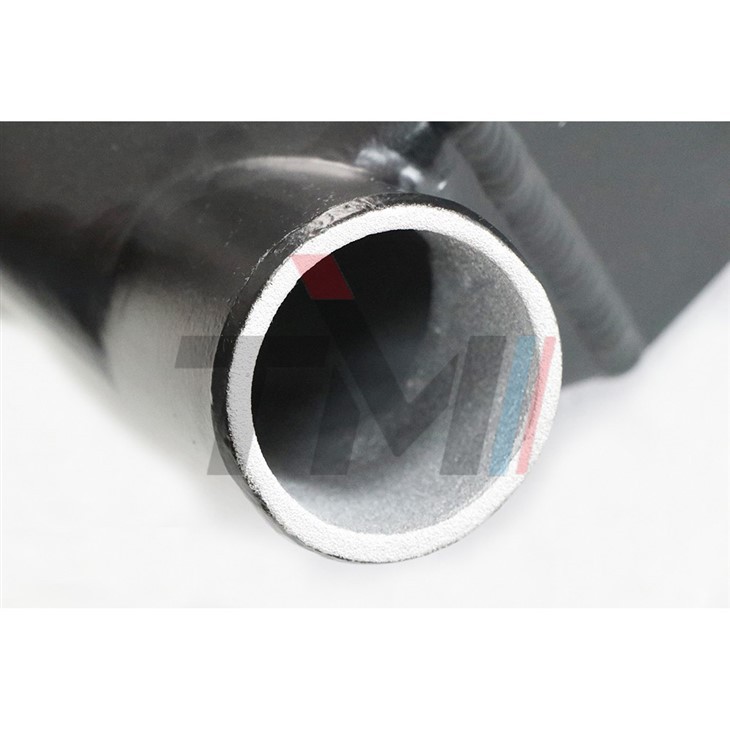
When discussing the resonance level of a Type R catback, it's also interesting to compare it with other exhaust components in the market. For instance, the Car Aluminum Intercooler Kit For Audi RS6 RS7 is an important component that affects engine performance by cooling the incoming air. While it doesn't directly impact resonance levels in the same way as a catback, a well - functioning intercooler can contribute to smoother engine operation, which may indirectly affect exhaust resonance.
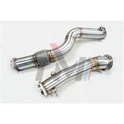
Another relevant component is the N57 Downpipe. Downpipes play a crucial role in the exhaust system by connecting the exhaust manifold to the rest of the exhaust. A high - quality downpipe can reduce backpressure and improve exhaust flow, which can have an impact on resonance. However, the design of the downpipe needs to be carefully integrated with the catback system to achieve optimal resonance control.
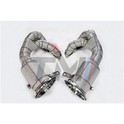
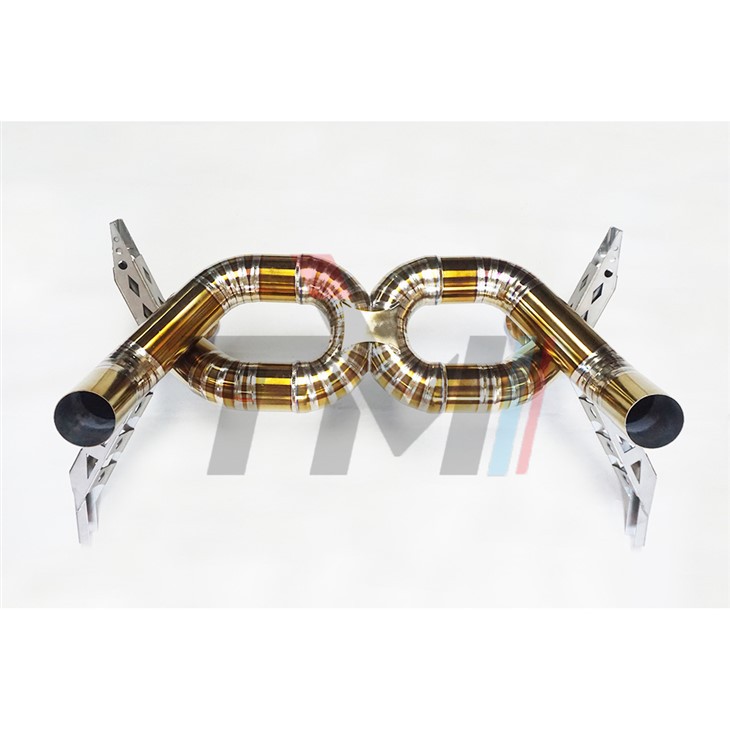
For those interested in high - end sports cars, the Lamborghini Huracan EVO Performante X - Pipe Ti Exhaust System is a great example of a sophisticated exhaust system. These systems are engineered to provide a unique and exhilarating sound while also maintaining good resonance control. Comparing the resonance characteristics of a Type R catback with such high - end systems can give us a better understanding of the different design approaches used in the industry.
Conclusion and Call to Action
In conclusion, the resonance level of a Type R catback is a complex but important aspect of its design. It is influenced by various factors such as pipe diameter, length, and chamber design. Measuring resonance requires specialized equipment and careful testing. The resonance level can have a significant impact on engine performance and the driving experience, and it's crucial to find a balance between the two.
As a leading supplier of Type R catback systems, we are committed to providing our customers with products that offer excellent resonance control, enhanced performance, and a great driving experience. If you are interested in learning more about our Type R catback systems or would like to discuss a potential purchase, we encourage you to reach out to us for a detailed consultation. Our team of experts is ready to answer all your questions and help you find the perfect catback system for your vehicle.
References
- Smith, J. (2020). "Exhaust System Design and Performance". Automotive Engineering Press.
- Johnson, A. (2019). "Resonance in Automotive Exhaust Systems: Causes and Solutions". Journal of Automotive Technology.