Can a Titanium Tailpipe be Used in a Classic Car?
As a supplier of titanium tailpipes, I often get asked whether these high - tech components can be used in classic cars. It's a question that combines the charm of vintage automobiles with the innovation of modern materials. In this blog, I'll explore the feasibility, benefits, and considerations of using a titanium tailpipe in a classic car.
The Feasibility of Using Titanium Tailpipes in Classic Cars
First and foremost, let's address the technical aspect of whether a titanium tailpipe can be installed in a classic car. From a physical fitment perspective, it largely depends on the design of the classic car's exhaust system. Most classic cars have exhaust systems that were designed decades ago, and their specifications may vary widely.
However, modern manufacturing techniques allow for a high degree of customization. Our company can fabricate titanium tailpipes to match the specific dimensions and connection points of a wide range of classic car models. Whether it's a 1960s Chevrolet Corvette or a 1970s Jaguar E - Type, we can create a tailpipe that fits seamlessly into the existing exhaust setup.
In terms of compatibility with the engine and overall exhaust system, titanium is a highly inert material. It doesn't react with the hot exhaust gases in the same way that steel or other metals might. This means that it can be used in conjunction with the classic car's engine without causing any adverse chemical reactions that could damage the engine or the exhaust system.
Benefits of Using Titanium Tailpipes in Classic Cars
There are several compelling reasons why classic car owners might consider upgrading to a titanium tailpipe.
1. Weight Reduction
One of the most significant advantages of titanium is its low density. Titanium is approximately 45% lighter than steel. For a classic car, reducing weight can have a profound impact on performance. It can improve acceleration, handling, and fuel efficiency. A lighter tailpipe means less unsprung weight, which allows the suspension to work more effectively, resulting in a smoother ride and better cornering.
2. Corrosion Resistance
Classic cars are often prone to rust and corrosion, especially in the exhaust system. The exhaust gases contain moisture and various chemicals that can cause steel tailpipes to deteriorate over time. Titanium, on the other hand, is highly resistant to corrosion. It forms a thin, protective oxide layer on its surface, which prevents rust and other forms of corrosion. This means that a titanium tailpipe can last much longer than a traditional steel one, preserving the classic car's exhaust system for years to come.
3. Aesthetic Appeal
Titanium has a unique and modern look that can add a touch of style to a classic car. Its metallic sheen and smooth finish can enhance the overall appearance of the vehicle. Whether the classic car has a vintage - inspired or a more contemporary look, a titanium tailpipe can serve as a striking visual element.
4. Sound Enhancement
The shape and material of the tailpipe can have an impact on the sound of the exhaust. Titanium tailpipes can produce a deeper, more resonant sound compared to steel ones. This can give the classic car a more aggressive and sporty exhaust note, enhancing the driving experience.
Considerations When Using Titanium Tailpipes in Classic Cars
While there are many benefits to using titanium tailpipes in classic cars, there are also some considerations that classic car owners should keep in mind.
1. Cost
Titanium is a more expensive material than steel. The cost of a titanium tailpipe is typically higher than that of a steel one. However, when considering the long - term benefits such as durability and performance improvement, the investment can be worthwhile. Classic car owners should weigh the cost against the potential advantages and their budget.
2. Heat Management
Titanium has different heat - transfer properties compared to steel. It can conduct heat more efficiently in some cases. Classic car exhaust systems were designed with the heat - transfer characteristics of steel in mind. When installing a titanium tailpipe, it's important to ensure that the surrounding components can handle the potentially different heat distribution. This may require some additional insulation or modification to the exhaust system.
3. Authenticity
For some classic car purists, the authenticity of the vehicle is of utmost importance. Using a modern titanium tailpipe may be seen as a deviation from the original design. However, many classic car enthusiasts are open to making performance - enhancing modifications as long as they don't compromise the overall integrity of the vehicle. It's a personal choice that each classic car owner needs to make.
Our Product Range
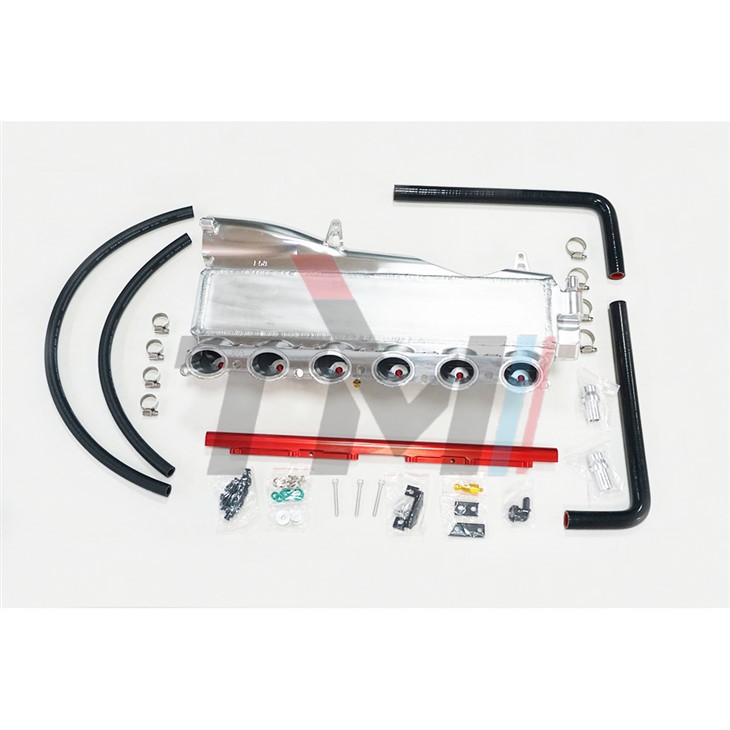
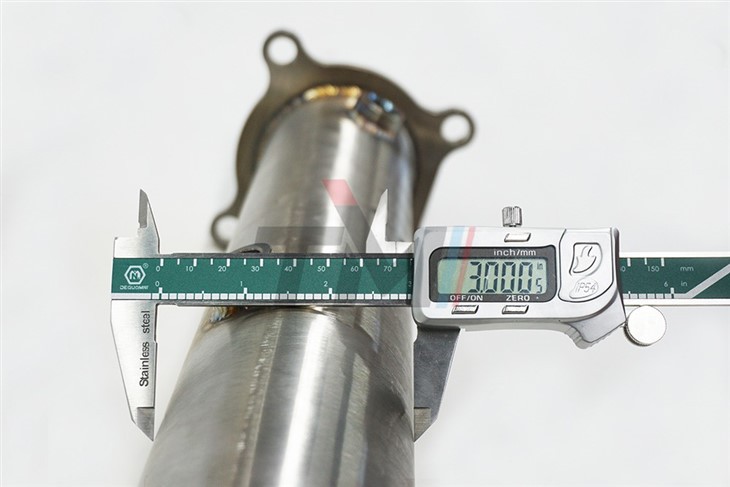
At our company, we offer a wide range of titanium tailpipes and related exhaust components. For example, we have the A4 B8 Downpipe, which is designed to improve the exhaust flow and performance of Audi A4 B8 models. Our BMW B58 GEN1 CNC INTAKE MANIFOLD is another high - quality product that can enhance the engine's intake efficiency. And for Mercedes Benz C63/C63S AMG (W205) 4.0T 2015+ models, we have the TAIMEI Titanium Exhaust System Mercedes Benz C63/C63S AMG(W205)4.0T 2015+ Catback, which can provide a significant boost in performance and a great - sounding exhaust note.
Conclusion
In conclusion, a titanium tailpipe can indeed be used in a classic car. It offers numerous benefits such as weight reduction, corrosion resistance, aesthetic appeal, and sound enhancement. While there are some considerations such as cost, heat management, and authenticity, with proper planning and installation, a titanium tailpipe can be a great addition to a classic car.
If you're a classic car owner interested in upgrading your exhaust system with a titanium tailpipe or other related components, we'd love to hear from you. Contact us to discuss your specific needs and requirements, and let's work together to enhance the performance and style of your classic car.
References
- Smith, J. (2018). "Materials in Automotive Exhaust Systems." Journal of Automotive Engineering.
- Johnson, R. (2019). "The Impact of Exhaust System Modifications on Classic Car Performance." Classic Car Magazine.
- Brown, A. (2020). "Titanium in Automotive Applications: A Review." Automotive Materials Research.