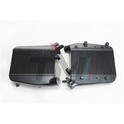
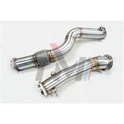
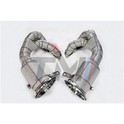
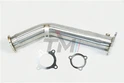
When it comes to enhancing the performance and sound of a vehicle's exhaust system, the midpipe plays a crucial role. As a midpipe supplier, I often encounter customers who are confused about the differences between straight - through midpipes and chambered midpipes. In this blog, I'll delve into the details of these two types of midpipes to help you make an informed decision for your vehicle.
Basic Structure and Design
A straight - through midpipe is exactly what its name suggests. It has a simple, non - restrictive design where the exhaust gases flow in a straight line from the inlet to the outlet. This design typically consists of a single, smooth tube with minimal bends or obstructions. The lack of internal chambers allows the exhaust gases to move freely, which can significantly reduce backpressure.
On the other hand, a chambered midpipe features a more complex internal structure with multiple chambers. These chambers are designed to manipulate the flow of exhaust gases. The gases enter the midpipe and are redirected through the chambers, which can cause them to mix, expand, and contract. This process is what gives the chambered midpipe its unique characteristics.
Performance Impact
Exhaust Flow and Backpressure
One of the most significant differences between the two types of midpipes is their effect on exhaust flow and backpressure. A straight - through midpipe offers the least resistance to the flow of exhaust gases. With a direct path for the gases to travel, they can exit the system more quickly. This reduced backpressure allows the engine to breathe more easily, which can lead to increased horsepower and torque. In high - performance applications, where every bit of power matters, a straight - through midpipe can be a game - changer.


In contrast, a chambered midpipe creates some level of backpressure. The chambers inside the midpipe disrupt the smooth flow of exhaust gases, causing them to slow down and build up pressure. While excessive backpressure can be detrimental to engine performance, a carefully designed chambered midpipe can actually optimize backpressure for certain engines. Some engines, especially those with smaller displacements or specific tuning requirements, can benefit from a controlled amount of backpressure. It can help maintain exhaust gas velocity, which is important for scavenging and improving low - end torque.
Sound Characteristics
The sound produced by a vehicle's exhaust system is a major consideration for many car enthusiasts. A straight - through midpipe typically produces a loud, aggressive, and high - pitched sound. The unrestricted flow of exhaust gases creates a raw, powerful tone that is often associated with high - performance vehicles. This type of sound is ideal for those who want to make a statement on the road or at the track.
A chambered midpipe, however, offers a more refined and tuned sound. The chambers inside the midpipe act as resonators, which can cancel out certain frequencies and create a more balanced and mellow tone. The result is a deeper, more subdued exhaust note that is still sporty but not as ear - piercing as a straight - through midpipe. This makes the chambered midpipe a popular choice for daily drivers who want a performance - oriented exhaust sound without the excessive noise.
Durability and Maintenance
Construction
The durability of a midpipe depends largely on its construction. Straight - through midpipes are usually made from high - quality materials such as stainless steel or aluminized steel. These materials are chosen for their strength and resistance to corrosion. Since the design is relatively simple, there are fewer components that can fail, which generally makes them more durable in the long run.
Chambered midpipes can also be made from similar materials, but their more complex internal structure may make them more prone to damage. The chambers can sometimes accumulate debris, moisture, or rust over time, which can affect their performance and lifespan. However, if properly maintained and made from high - quality materials, chambered midpipes can be just as durable as straight - through midpipes.
Maintenance Requirements
In terms of maintenance, straight - through midpipes are relatively low - maintenance. Since there are no internal chambers to clean or inspect, you only need to check for any signs of external damage, such as rust or leaks. A periodic inspection and a simple wash can keep the midpipe in good condition.
Chambered midpipes may require a bit more attention. It's important to inspect the chambers regularly for any signs of clogging or damage. If debris accumulates in the chambers, it can affect the exhaust flow and sound quality. Cleaning the chambers may involve removing the midpipe and using specialized cleaning tools.
Compatibility with Other Exhaust Components
Headers and Downpipes
Both straight - through and chambered midpipes need to be compatible with the rest of the exhaust system, especially the headers and downpipes. For example, if you have a high - performance 992 GT3 Heat Shield Headers, a straight - through midpipe can complement its free - flowing design and further enhance the overall performance of the exhaust system. On the other hand, if you have a S5 B9 Downpipe with a specific design that requires a certain level of backpressure, a chambered midpipe may be a better match.
Cat - Back Exhaust Systems
In a cat - back exhaust system, the midpipe connects the catalytic converter to the rear mufflers. Whether you choose a straight - through or chambered midpipe can also affect the performance and sound of the entire cat - back system. A straight - through midpipe can work well with a performance - oriented cat - back system, such as the 981 Boxster Exhaust, to create a more aggressive and powerful sound. A chambered midpipe, on the other hand, can provide a more balanced and refined sound when paired with the same cat - back system.
Cost Considerations
Generally, straight - through midpipes tend to be more cost - effective. Their simple design and manufacturing process result in lower production costs, which are often passed on to the consumer. Chambered midpipes, with their more complex internal structure and the need for precise tuning, are usually more expensive. However, the price difference can vary depending on the brand, materials used, and the specific vehicle application.
Conclusion
In summary, the choice between a straight - through midpipe and a chambered midpipe depends on your specific needs and preferences. If you're looking for maximum performance, a loud and aggressive sound, and a low - maintenance option, a straight - through midpipe is likely the better choice. On the other hand, if you want a more refined sound, improved low - end torque, and a midpipe that can be tuned to work well with certain engines, a chambered midpipe may be the way to go.
As a midpipe supplier, I'm here to provide you with high - quality midpipes that meet your requirements. Whether you're a street driver, a track enthusiast, or a professional tuner, I can offer you the right midpipe solution for your vehicle. If you're interested in purchasing midpipes or have any questions about the products, feel free to contact me to start a procurement discussion.
References
- Automotive Exhaust Systems: Design, Theory, and Practise, by David Crolla.
- Principles of Internal Combustion Engines, by John Heywood.