In the world of automotive performance, charge pipes play a crucial role in the overall efficiency and power output of a turbocharged or supercharged engine. As a charge pipe supplier, I often encounter customers who wonder whether expensive charge pipes are truly better. In this blog post, I will delve into the science behind charge pipes, explore the factors that contribute to their cost, and determine whether a higher price tag translates to superior performance.
The Function of Charge Pipes
Before we discuss the cost - performance relationship of charge pipes, it's essential to understand their function. Charge pipes are an integral part of the forced - induction system in a vehicle. They connect the turbocharger or supercharger to the intake manifold, carrying the compressed air from the compressor to the engine. This compressed air is denser and contains more oxygen, which allows for a more efficient combustion process and, ultimately, increased power output.
Factors Affecting the Cost of Charge Pipes
-
Material Quality
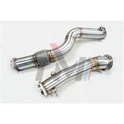
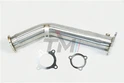
- One of the primary factors contributing to the cost of charge pipes is the material used in their construction. High - quality materials such as aluminum alloys, stainless steel, or carbon fiber are often more expensive than basic plastics or lower - grade metals. Aluminum alloys are popular due to their lightweight nature and excellent heat dissipation properties. Stainless steel offers superior durability and corrosion resistance. Carbon fiber, on the other hand, is extremely lightweight and has high strength - to - weight ratios, but it is also the most expensive of the three.
- For example, charge pipes made from high - grade aluminum alloys may undergo special treatments like anodizing to enhance their corrosion resistance and appearance. This additional processing adds to the cost.
-
Manufacturing Process
- The manufacturing process of charge pipes can also significantly impact their price. Precision - engineered charge pipes, which are often made using advanced CNC (Computer Numerical Control) machining or custom - formed fabrication methods, are more expensive than those mass - produced using simple injection molding or extrusion techniques.
- CNC machining allows for highly accurate dimensions and smooth internal surfaces. This precision ensures a better fitment and reduced air turbulence inside the charge pipe. Custom - formed fabrication is often used for high - performance or custom - built vehicles, where the charge pipes need to be tailored to specific engine configurations.
-
Design and Engineering
- Well - designed charge pipes take into account factors such as airflow dynamics, pressure drop, and heat transfer. Charge pipes with optimized bends and smooth transitions can reduce airflow resistance, allowing the engine to breathe more easily. Engineers may use computational fluid dynamics (CFD) simulations to design the most efficient charge pipe shapes.
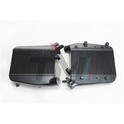
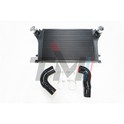
- Additionally, charge pipes that are designed to work in conjunction with other performance components, such as B48 B58 Radiator, can provide better overall performance. These integrated designs require more research and development, which adds to the cost.
-
Brand and Reputation
- Established brands with a reputation for quality and performance often charge a premium for their charge pipes. These brands have invested time and resources in building their image, conducting testing, and providing customer support. Customers may be willing to pay more for a product from a well - known brand, believing that they are getting a higher - quality and more reliable product.
Are Expensive Charge Pipes Better?
-
Performance Benefits
- In many cases, expensive charge pipes do offer performance benefits. High - quality materials and precision manufacturing result in better airflow characteristics. For instance, charge pipes with smooth internal surfaces reduce air turbulence, which can lead to a more consistent flow of compressed air to the engine. This can result in improved throttle response, increased horsepower, and torque.
- Moreover, charge pipes made from materials with good heat dissipation properties can help keep the intake air temperature lower. Cooler air is denser, which means more oxygen is available for combustion, further enhancing engine performance.
-
Durability and Reliability
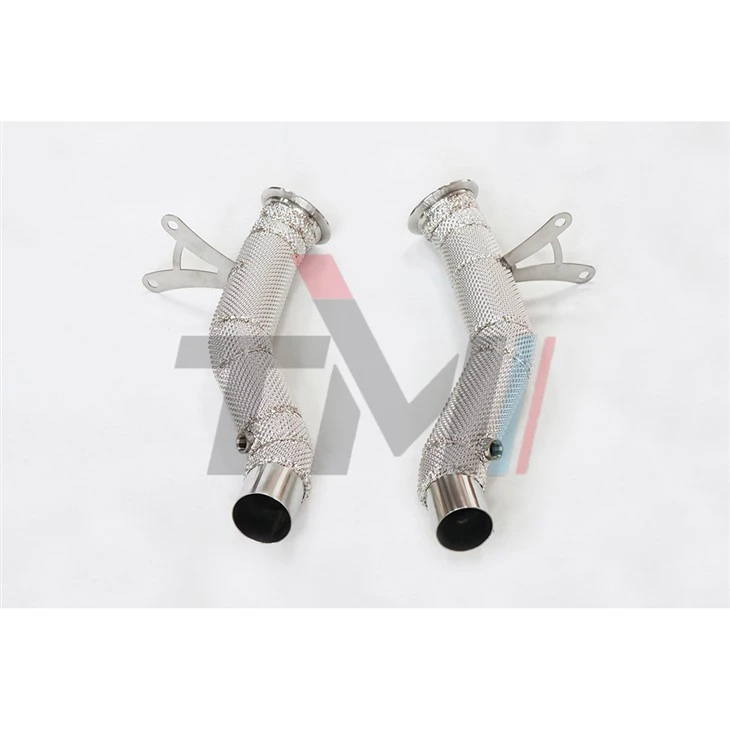

- Expensive charge pipes are often more durable and reliable. For example, stainless - steel charge pipes are less likely to corrode over time compared to plastic ones. Carbon fiber charge pipes are resistant to cracking and can withstand high - pressure conditions. This durability means that they are less likely to fail, reducing the risk of engine damage due to charge pipe leaks or failures.
-
Fitment and Compatibility
- High - end charge pipes are typically designed to fit perfectly into the vehicle's engine bay. They are often made to match the exact specifications of the turbocharger, intercooler, and intake manifold. This proper fitment ensures that there are no air leaks, which can significantly affect engine performance. In contrast, cheaper charge pipes may have issues with fitment, leading to air leaks and reduced efficiency.
However, it's important to note that not all expensive charge pipes are necessarily better in every situation. Some vehicles may not benefit significantly from high - end charge pipes. For example, a stock - tuned vehicle with relatively low power requirements may not see a substantial improvement in performance from a very expensive charge pipe. In such cases, a more moderately priced charge pipe that meets the basic requirements of the engine may be sufficient.
Real - World Examples
Let's consider two different scenarios. In a high - performance sports car that has been heavily modified for racing, an expensive charge pipe made from carbon fiber with a precision - engineered design can make a significant difference. The reduced weight of the carbon fiber helps to improve the vehicle's power - to - weight ratio, and the optimized airflow design can enhance the engine's ability to produce more power at high RPMs.
On the other hand, a daily - driven commuter car with a stock turbocharged engine may not require such an expensive charge pipe. A well - made aluminum charge pipe with a basic design can provide adequate performance and reliability at a lower cost.
Conclusion
As a charge pipe supplier, I believe that while expensive charge pipes often offer better performance, durability, and fitment, the decision to purchase one should be based on the specific needs of your vehicle. If you have a high - performance or modified vehicle, investing in a high - end charge pipe can be a wise choice as it can enhance the overall performance and reliability of your engine. However, if you have a stock or lightly - modified vehicle, a moderately priced charge pipe may be sufficient.
If you are interested in learning more about our charge pipes or discussing your specific requirements, we invite you to contact us for a purchase consultation. We have a wide range of charge pipes to suit different vehicle models and performance levels, and our team of experts can help you make the right choice for your vehicle.
References
- Automotive Engineering Handbook: Covers various aspects of engine design and performance, including forced - induction systems.
- SAE International Publications: Provide in - depth research on airflow dynamics and charge pipe design.