Are there any risks in installing a midpipe?
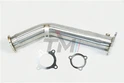
As a midpipe supplier, I've been in the automotive aftermarket industry for quite some time, and I often get asked about the risks associated with installing a midpipe. A midpipe is an essential component in a vehicle's exhaust system, sitting between the catalytic converter and the muffler. It plays a crucial role in optimizing exhaust flow and enhancing engine performance. However, like any automotive modification, there are potential risks involved. In this blog, I'll delve into these risks and provide you with a comprehensive understanding of what to expect when installing a midpipe.


1. Legal and Regulatory Risks
One of the most significant risks associated with installing a midpipe is the potential violation of local laws and regulations. Many regions have strict emissions standards in place to protect the environment and public health. These standards often govern the design and performance of exhaust systems, including midpipes.
If a midpipe does not meet the required emissions standards, your vehicle may fail an emissions test. This can lead to fines, penalties, and even the inability to legally operate your vehicle on public roads. For example, in some states in the United States, it is illegal to install a non - compliant aftermarket midpipe that reduces the effectiveness of the catalytic converter.
To mitigate this risk, it's essential to ensure that the midpipe you choose is compliant with local emissions regulations. Look for midpipes that are CARB (California Air Resources Board) certified, as these products are designed to meet strict emissions standards. Additionally, consult with local authorities or a professional mechanic to understand the specific regulations in your area.
2. Warranty Voidance
Another risk of installing a midpipe is the potential voidance of your vehicle's warranty. Most vehicle manufacturers have strict policies regarding aftermarket modifications. If they determine that an aftermarket midpipe has caused damage to your vehicle or affected its performance, they may void your warranty.
For instance, if a poorly installed midpipe causes an exhaust leak that leads to engine damage, the manufacturer may refuse to cover the repair costs under warranty. To avoid this, it's important to check your vehicle's warranty terms before installing a midpipe. Some manufacturers offer warranty - friendly aftermarket parts, or you may be able to purchase an extended warranty that covers aftermarket modifications.
3. Performance and Compatibility Issues
While a midpipe is designed to improve engine performance by increasing exhaust flow, there can be performance and compatibility issues if it is not properly selected or installed.
Incorrect Fitment
A midpipe that is not the correct fit for your vehicle can cause a variety of problems. It may not align properly with the existing exhaust system, leading to leaks, rattling noises, or even damage to other components. For example, if the midpipe's diameter is too large or too small, it can disrupt the exhaust flow and reduce performance.
Tuning Requirements
In some cases, installing a midpipe may require additional tuning of the engine's computer system. If the engine is not properly tuned to accommodate the increased exhaust flow, it can lead to a variety of issues, such as poor fuel economy, rough idling, and reduced power. For high - performance vehicles like the G82 M4 Midpipe, proper tuning is especially crucial to achieve the desired performance gains.
Compatibility with Other Modifications
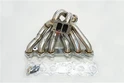
If your vehicle already has other aftermarket modifications, such as a Stainless Downpipe or an Audi A5 Q5 A6 Manifold, the midpipe must be compatible with these components. Incompatible modifications can lead to performance issues and may even cause damage to the exhaust system or the engine.
To avoid these problems, it's recommended to consult with a professional mechanic or an automotive specialist when selecting and installing a midpipe. They can ensure that the midpipe is the correct fit for your vehicle and that any necessary tuning or adjustments are made.
4. Noise and Vibration
Installing a midpipe can also have an impact on the noise and vibration levels of your vehicle. Aftermarket midpipes are often designed to produce a more aggressive exhaust note, which can be appealing to some drivers. However, this increased noise can be a nuisance to others and may even violate local noise regulations.
In addition, improper installation of a midpipe can cause excessive vibration, which can lead to discomfort for the driver and passengers. It can also cause damage to other components in the vehicle over time. To address these issues, choose a midpipe that is designed to produce a balanced exhaust note and have it installed by a professional to minimize vibration.
Mitigating the Risks
Despite the potential risks, installing a midpipe can offer significant benefits, such as improved engine performance, better fuel economy, and a more aggressive exhaust sound. To enjoy these benefits while minimizing the risks, here are some tips:
- Do Your Research: Before purchasing a midpipe, research different brands and models. Read reviews from other customers and look for products that have a good reputation for quality and compliance.
- Choose a Professional Installer: Have the midpipe installed by a professional mechanic who has experience working with aftermarket exhaust systems. They can ensure proper fitment and installation, reducing the risk of performance and compatibility issues.
- Check for Certifications: Look for midpipes that are certified to meet emissions and quality standards. This will help ensure that the product is legal and reliable.
Conclusion
In conclusion, while there are risks associated with installing a midpipe, these risks can be managed with proper research, planning, and installation. As a midpipe supplier, I understand the importance of providing high - quality, compliant products to our customers. If you're considering installing a midpipe for your vehicle, I encourage you to contact us for more information. Our team of experts can help you select the right midpipe for your vehicle and provide guidance on installation and risk mitigation. Whether you're looking for a performance boost or a more aggressive exhaust sound, we're here to assist you in making the best decision for your automotive needs.
References
- "Automotive Exhaust System Design and Performance" by Jack Erjavec
- Local emissions regulations and vehicle warranty documents