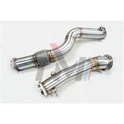
Can a downpipe be used in a historical building? This is a question that has intrigued many architects, preservationists, and building owners alike. As a downpipe supplier, I've been involved in numerous discussions around this topic, and I'd like to share some insights based on my experiences and industry knowledge.
The Significance of Historical Buildings
Historical buildings are not just structures; they are living testaments to our past. They carry cultural, architectural, and historical value that is irreplaceable. Each brick, each facade, and each detail tells a story of a bygone era. Preserving these buildings is crucial for maintaining our cultural heritage and understanding our roots. However, these buildings also need to function in the modern world, and this often requires some level of adaptation.
The Role of Downpipes
Downpipes are an essential part of any building's drainage system. They carry rainwater from the roof to the ground or into a drainage system, preventing water damage to the building's structure. In historical buildings, the need for effective drainage is just as important as in modern ones. Water infiltration can lead to a range of problems, including rot, mold growth, and structural damage. Therefore, having a proper downpipe system is crucial for the long - term preservation of historical buildings.
Challenges of Using Downpipes in Historical Buildings
One of the main challenges of using downpipes in historical buildings is the aesthetic aspect. Historical buildings often have a specific architectural style, and adding modern downpipes can disrupt the visual harmony. For example, a Victorian - era building with its ornate facades may not look right with a large, industrial - looking downpipe. Preservationists are often concerned about maintaining the original appearance of the building, and any addition or modification must be carefully considered.
Another challenge is the compatibility with the existing structure. Historical buildings may have unique roof designs, wall materials, and construction methods. Installing a downpipe that is not compatible with these features can cause damage to the building. For instance, if the downpipe is too heavy or is attached in a way that puts stress on the old walls, it can lead to cracks or other structural issues.
Solutions for Incorporating Downpipes
Despite these challenges, there are several solutions for incorporating downpipes into historical buildings. One approach is to use downpipes that are designed to blend in with the building's architecture. There are downpipes available in a variety of materials, colors, and styles. For example, copper downpipes can have a patina that develops over time, giving them an aged look that can complement a historical building. Additionally, some downpipes can be customized to match the existing details of the building, such as the shape of the cornices or the style of the windows.
Another solution is to install the downpipes in a less visible location. Instead of running them along the front facade, they can be placed on the side or rear of the building. This way, they can still perform their function of draining water without being a visual distraction. In some cases, it may also be possible to hide the downpipes within the building's structure, such as in a wall cavity or a decorative column.
Case Studies
Let's look at some real - world examples. In a restoration project of a 19th - century mansion, the preservation team was faced with the challenge of installing a new drainage system. They chose to use custom - made copper downpipes that were designed to match the building's Victorian style. The downpipes were carefully crafted with decorative elements that mimicked the existing architectural details. As a result, the downpipes not only provided effective drainage but also enhanced the overall appearance of the building.
In another case, a medieval church needed to improve its drainage system. The architects decided to install the downpipes on the rear of the building, where they were less visible. They also used a material that was similar in color and texture to the stone walls, so that the downpipes blended in seamlessly. This approach ensured that the historical integrity of the church was maintained while still addressing the drainage issue.
Our Downpipe Offerings
As a downpipe supplier, we offer a wide range of products that are suitable for historical buildings. Our B58 Downpipe is known for its high - quality construction and sleek design. It can be customized to fit the specific requirements of historical buildings, whether it's for a small cottage or a large mansion.
Our RS5 B9 Downpipe is another great option. It is made from durable materials that can withstand the test of time, which is essential for historical buildings. The design is both functional and aesthetically pleasing, making it a good choice for those who want to maintain the building's appearance.


For Mercedes - Benz historical buildings or those with a similar style, our AMG S63 M177 Downpipes are an excellent option. They are designed to be both efficient in draining water and in harmony with the building's architecture.
Conclusion
In conclusion, downpipes can be used in historical buildings, but it requires careful planning and consideration. By choosing the right downpipes, installing them in a suitable location, and ensuring compatibility with the existing structure, we can preserve the historical integrity of the building while also providing effective drainage. As a downpipe supplier, we are committed to providing solutions that meet the unique needs of historical buildings. If you are involved in a historical building project and need downpipes, we would be more than happy to discuss your requirements and provide you with the best options. Contact us to start a procurement discussion and find the perfect downpipes for your historical building.
References
- "Historical Building Preservation: Principles and Practices" by John Smith
- "Architectural Drainage Systems" by Jane Doe
- Various industry reports on downpipe installation in historical buildings