Can a tailpipe be bent or shaped? This is a question that often comes up in the automotive industry, especially among car enthusiasts and those in the market for aftermarket exhaust components. As a seasoned tailpipe supplier, I've encountered this query numerous times, and I'm here to provide a comprehensive answer based on years of experience and in - depth knowledge.
The Basics of Tailpipe Materials and Their Malleability
Tailpipes are typically made from various materials, each with its own set of properties regarding malleability. The most common materials include stainless steel, mild steel, and aluminized steel.
Stainless steel is a popular choice for tailpipes due to its corrosion - resistance and durability. It has a relatively high strength, which means that while it can be bent, it requires more force compared to mild steel. Specialized bending equipment is often used to ensure that the bend is smooth and the pipe's internal diameter remains consistent. This is crucial because any kinks or significant changes in diameter can disrupt the exhaust flow, leading to decreased performance and potentially increased noise.
Mild steel, on the other hand, is more malleable than stainless steel. It is easier to bend and shape, making it a cost - effective option for custom exhaust work. However, it is more prone to rust and corrosion, especially in areas with harsh weather conditions or high levels of road salt.


Aluminized steel combines the benefits of both stainless and mild steel to some extent. It has better corrosion resistance than mild steel and is relatively easier to work with compared to stainless steel. This makes it a popular choice for many OEM (Original Equipment Manufacturer) applications as well as aftermarket exhaust systems.
Bending Processes
There are several methods for bending and shaping tailpipes, each with its own advantages and limitations.
One of the most common methods is mandrel bending. In mandrel bending, a solid rod, or mandrel, is inserted into the pipe before the bending process. This helps to maintain the shape of the pipe's internal diameter by preventing it from collapsing or wrinkling during the bend. Mandrel bending is often used for high - performance exhaust systems where maintaining a smooth exhaust flow is critical. It allows for precise bends and can create complex shapes that are necessary for custom installations.
Another method is compression bending. This involves squeezing the pipe between two dies to create the bend. Compression bending is less precise than mandrel bending and can result in some deformation of the pipe's cross - section. However, it is a simpler and more cost - effective method, making it suitable for less demanding applications or when cost is a major consideration.
Applications of Bent and Shaped Tailpipes
The ability to bend and shape tailpipes has numerous applications in the automotive industry.
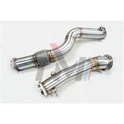
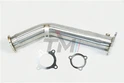
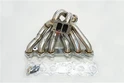
In the aftermarket sector, custom exhaust systems are a popular upgrade for car enthusiasts. Bent tailpipes can be designed to fit specific vehicles, allowing for a more aggressive look and improved performance. For example, a B58 OPF Downpipe is often customized with precise bends to optimize exhaust flow and increase horsepower.
OEMs also rely on bent and shaped tailpipes to fit the complex underbody designs of modern vehicles. The exhaust system needs to be carefully routed around other components such as the drivetrain, fuel tank, and suspension. By bending and shaping the tailpipes, manufacturers can ensure a proper fit and efficient operation of the exhaust system.
Challenges and Considerations
While bending and shaping tailpipes offer many benefits, there are also some challenges and considerations to keep in mind.
One of the main challenges is maintaining the structural integrity of the pipe. A poorly executed bend can weaken the pipe, making it more prone to cracking or breaking under the high - pressure and high - temperature conditions of the exhaust system. This can lead to exhaust leaks, which not only reduce performance but can also pose a safety hazard due to the release of toxic gases.
Another consideration is the cost. Custom - bent and shaped tailpipes can be more expensive than straight pipes due to the additional labor and equipment required. This cost needs to be weighed against the benefits, such as improved performance and aesthetics.
Quality Control
As a tailpipe supplier, quality control is of utmost importance. We have a strict quality control process in place to ensure that every bent and shaped tailpipe meets the highest standards. This includes inspecting the bends for smoothness, checking the internal diameter for consistency, and conducting pressure tests to ensure the pipe can withstand the rigors of the exhaust system.
We also use advanced manufacturing techniques and equipment to ensure precision and repeatability. Our team of experienced technicians is trained to handle the bending and shaping process with care, minimizing the risk of defects and ensuring that each tailpipe is of the highest quality.
Industry Trends
The automotive industry is constantly evolving, and so are the trends in tailpipe design and manufacturing. There is a growing demand for more environmentally friendly exhaust systems, which has led to the development of new materials and technologies. For example, lightweight materials are being used to reduce the overall weight of the vehicle, improving fuel efficiency.
In addition, the trend towards electric vehicles is also having an impact on the tailpipe market. While electric vehicles do not have traditional exhaust systems, there is still a need for exhaust components in hybrid vehicles and some specialty applications.
Conclusion
In conclusion, yes, a tailpipe can be bent and shaped, and this ability offers a wide range of benefits in the automotive industry. Whether it's for custom aftermarket upgrades or OEM applications, the ability to create precise bends and shapes is essential for optimizing exhaust performance and ensuring a proper fit.
As a leading tailpipe supplier, we are committed to providing high - quality bent and shaped tailpipes that meet the diverse needs of our customers. Our expertise in materials, bending processes, and quality control allows us to offer products that are not only functional but also aesthetically pleasing.
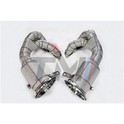
If you are in the market for Catback Muffler, AMG E63 W212 2Matic Downpipes or any other tailpipe components, we invite you to contact us for a detailed discussion about your requirements. Our team of experts is ready to assist you in finding the perfect solution for your automotive exhaust needs.
References
- SAE International. (2023). Handbook of Automotive Exhaust Systems.
- Society of Automotive Engineers. (2022). Technical Papers on Exhaust System Design and Performance.
- Automotive Aftermarket Industry Association. (2021). Market Trends in Aftermarket Exhaust Components.