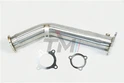
Can I install an F80 M3 midpipe on a car with a high - flow catalytic converter?
As a dedicated supplier of F80 M3 midpipes, I often encounter inquiries from car enthusiasts about the compatibility of our products with vehicles equipped with high - flow catalytic converters. In this blog post, I'll delve into the technical aspects, potential benefits, and possible challenges of installing an F80 M3 midpipe on a car with a high - flow catalytic converter.
Understanding the F80 M3 Midpipe and High - Flow Catalytic Converters
The F80 M3 midpipe is an essential component in the exhaust system of the BMW F80 M3. It plays a crucial role in channeling exhaust gases from the engine to the rear of the vehicle. The design of the F80 M3 midpipe is optimized to enhance exhaust flow, which can lead to improved engine performance, including increased horsepower and torque.
On the other hand, a high - flow catalytic converter is designed to reduce harmful emissions while minimizing the restriction to exhaust flow. Unlike traditional catalytic converters, high - flow catalytic converters have a more open structure, allowing exhaust gases to pass through more freely. This design feature helps to maintain engine efficiency while still meeting environmental regulations.
Compatibility Considerations
When it comes to installing an F80 M3 midpipe on a car with a high - flow catalytic converter, several factors need to be considered.
Physical Fitment
The first and most obvious consideration is physical fitment. The F80 M3 midpipe is specifically designed for the BMW F80 M3 model. Therefore, it is essential to ensure that the midpipe will physically fit the vehicle with the high - flow catalytic converter. This includes checking the diameter of the pipes, the mounting points, and the overall layout of the exhaust system. In some cases, minor modifications may be required to achieve a proper fit. However, it is important to note that any modifications should be carried out by a professional to avoid potential issues such as exhaust leaks or improper alignment.
Exhaust Gas Flow
Another important factor is the exhaust gas flow. The F80 M3 midpipe is designed to work in conjunction with the stock or aftermarket exhaust system of the F80 M3. When paired with a high - flow catalytic converter, the exhaust gas flow needs to be carefully balanced. A high - flow catalytic converter is designed to allow a greater volume of exhaust gases to pass through compared to a traditional catalytic converter. If the F80 M3 midpipe restricts the flow too much, it can negate the benefits of the high - flow catalytic converter and potentially reduce engine performance. Conversely, if the midpipe allows too much flow, it may cause the catalytic converter to work less efficiently, leading to increased emissions.
Backpressure
Backpressure is a critical aspect of the exhaust system. It refers to the resistance that the exhaust gases encounter as they flow through the system. While some backpressure is necessary for proper engine operation, too much backpressure can reduce engine power and efficiency. The F80 M3 midpipe is designed to maintain an optimal level of backpressure for the F80 M3 engine. When installing it on a car with a high - flow catalytic converter, it is important to ensure that the overall backpressure of the exhaust system remains within the acceptable range. This may require some tuning or adjustment of the exhaust system to achieve the best results.
Potential Benefits
If the installation of an F80 M3 midpipe on a car with a high - flow catalytic converter is done correctly, there are several potential benefits.
Improved Performance
One of the main benefits is improved engine performance. The F80 M3 midpipe is designed to enhance exhaust flow, which can lead to increased horsepower and torque. When combined with a high - flow catalytic converter, the overall exhaust system can provide a more efficient path for exhaust gases to escape, allowing the engine to breathe more freely. This can result in improved acceleration, better throttle response, and a more engaging driving experience.
Enhanced Sound
Another benefit is the enhanced exhaust sound. The F80 M3 midpipe can give the vehicle a more aggressive and sporty exhaust note. The combination of the midpipe and the high - flow catalytic converter can create a unique sound signature that is both distinctive and appealing to car enthusiasts.


Possible Challenges
Despite the potential benefits, there are also some possible challenges associated with installing an F80 M3 midpipe on a car with a high - flow catalytic converter.
Emissions Compliance
One of the main challenges is emissions compliance. In many regions, vehicles are required to meet certain emissions standards. Installing an aftermarket midpipe and a high - flow catalytic converter may affect the vehicle's emissions performance. It is important to check the local emissions regulations before making any modifications to the exhaust system. In some cases, it may be necessary to have the vehicle tested and certified to ensure that it still meets the emissions requirements.
Warranty Issues
Another challenge is warranty issues. Modifying the exhaust system of a vehicle can potentially void the manufacturer's warranty. It is important to check the vehicle's warranty terms and conditions before making any modifications. Some manufacturers may offer a limited warranty for aftermarket parts, but it is always best to consult with the manufacturer or a dealership to understand the potential impact on the warranty.
Related Products
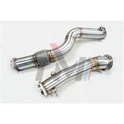
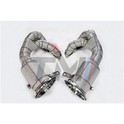
If you are interested in upgrading your vehicle's exhaust system, we also offer a range of related products. For example, we have the A5 B8 Downpipe, which is designed to enhance the performance of Audi A5 B8 models. Our F80 M3 Downpipe is specifically tailored for the BMW F80 M3, providing improved exhaust flow and performance. Additionally, our Stainless Downpipe is made from high - quality stainless steel, offering durability and corrosion resistance.
Conclusion
In conclusion, it is possible to install an F80 M3 midpipe on a car with a high - flow catalytic converter, but it requires careful consideration of several factors. Physical fitment, exhaust gas flow, backpressure, emissions compliance, and warranty issues all need to be taken into account. If done correctly, the installation can provide improved performance and an enhanced driving experience. However, it is important to consult with a professional and ensure that all local regulations are followed.
If you are interested in purchasing an F80 M3 midpipe or have any questions about our products, please feel free to contact us for more information and to discuss your specific needs. We are here to help you make the best decision for your vehicle.
References
- Automotive Exhaust Systems: Principles and Design, by John Heywood
- Performance Exhaust Systems: How to Build & Modify, by Dave Emanuel