Hey there, car enthusiasts! I'm a supplier of charge pipes, and I often get asked, "Do I need to modify my car when installing a charge pipe?" Well, let's dive right into this topic and break it down.
First off, let's understand what a charge pipe is. A charge pipe is a crucial component in a turbocharged or supercharged engine. It connects the turbocharger or supercharger to the intake manifold, carrying the compressed air. The stock charge pipes that come with most cars are usually made of plastic or rubber. These materials are fine for normal, everyday driving, but if you're looking to get more performance out of your engine, that's where aftermarket charge pipes come in.
Now, the big question: do you need to modify your car when installing a charge pipe? The answer isn't a simple yes or no. It depends on a few factors.
Compatibility with Your Car
The first thing to consider is whether the charge pipe is compatible with your car's make and model. Most aftermarket charge pipes are designed to be a direct replacement for the stock ones. That means you can usually install them without any major modifications. For example, if you have a well - known car model like a BMW or an Audi, there are charge pipes available that fit right in place of the original.

However, some older or more unique car models might require a bit of tweaking. Maybe the routing of the new charge pipe is slightly different, or the mounting points don't line up perfectly. In these cases, you might need to do some minor modifications like drilling new holes or bending brackets. But don't worry, it's usually nothing too complicated.
Engine Tuning
Another important factor is engine tuning. When you install a larger or more efficient charge pipe, it can change the way air flows into the engine. This can affect the air - fuel ratio and the overall performance of the engine. In some cases, you might need to have your engine tuned to optimize the performance with the new charge pipe.
If you don't tune the engine, you might experience issues like reduced power, poor fuel economy, or even engine misfires. Tuning can be done by a professional mechanic or with a tuning kit if you're a bit more hands - on. It's not exactly a modification in the traditional sense, but it's an important step to get the most out of your new charge pipe.
Intercooler and Other Components
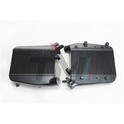
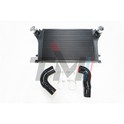
The charge pipe is often part of a larger system that includes the intercooler. If you're upgrading your charge pipe, you might also want to consider upgrading your intercooler. A Car Aluminum Intercooler Kit For Audi RS6 RS7 can work great with a new charge pipe to improve the cooling of the compressed air.
When you upgrade the charge pipe and the intercooler together, it can lead to better performance. But again, this might require some minor modifications to make sure everything fits and works properly. You might need to adjust the mounting of the intercooler or the routing of the hoses.
Intake Manifold and Downpipes
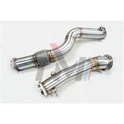
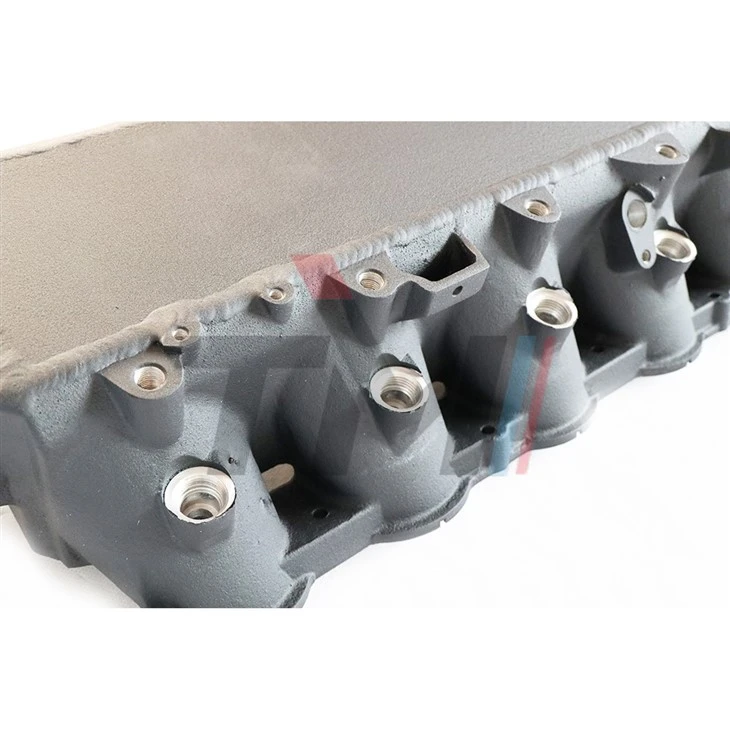
The intake manifold and downpipes also play a role in the overall performance of your engine. If you're serious about getting the most out of your new charge pipe, you might want to look into upgrading these components as well. A BMW B58 GEN1 CAST INTAKE MANIFOLD can improve the air distribution in the engine, and Aventador S LP740 - 4 Downpipes can help with exhaust flow.
Upgrading these components might require more significant modifications. For example, installing a new intake manifold might involve removing other parts of the engine and making sure all the connections are correct. And downpipe installation can be a bit tricky, especially if you're dealing with a high - performance car.
Benefits of Installing a Charge Pipe
Before we get too deep into the potential modifications, let's talk about why you might want to install a charge pipe in the first place. The main benefit is improved performance. Aftermarket charge pipes are usually made of materials like aluminum or stainless steel, which are more durable and can handle higher pressures.
They also have a smoother interior surface, which reduces turbulence and allows air to flow more freely. This can result in increased horsepower and torque, better throttle response, and improved fuel economy. Plus, a charge pipe upgrade can be a relatively affordable way to get more performance out of your car compared to other major engine upgrades.
DIY or Professional Installation
If you're handy with tools and have some mechanical knowledge, you might be able to install a charge pipe yourself. Most charge pipe kits come with detailed instructions, and as long as you have the right tools, it can be a straightforward process. However, if you're not confident in your abilities or if your car requires more complex modifications, it's best to have a professional install it for you.
A professional mechanic has the experience and the right equipment to make sure the installation is done correctly. They can also help with any necessary tuning or additional modifications.
Conclusion
So, do you need to modify your car when installing a charge pipe? It really depends on your car, the charge pipe you choose, and your performance goals. In many cases, you can install a charge pipe with little to no modifications. But if you want to get the most out of your upgrade, you might need to do some minor or even major modifications to other components of your car.
If you're interested in purchasing a charge pipe or have any questions about installation and compatibility, feel free to reach out. We're here to help you make the best decision for your car and get the most out of your upgrade. Whether you're a weekend racer or just want a bit more power for your daily drive, a charge pipe can be a great addition to your car.
References
- Automotive Performance Handbook
- Turbocharging and Supercharging Guide