As a supplier of catback exhaust systems for the Golf 7, I've spent a significant amount of time studying how these aftermarket parts can influence various aspects of the vehicle's performance. One particularly interesting area of study is the effect of a catback exhaust on the exhaust gas temperature. In this blog post, I'll delve into the science behind exhaust gas temperature, how a catback exhaust system can change it, and what these changes mean for your Golf 7.
Understanding Exhaust Gas Temperature
Exhaust gas temperature (EGT) is a critical parameter in the operation of any internal combustion engine. It is a measure of the heat energy carried by the exhaust gases as they exit the engine cylinders. High EGTs can indicate a variety of issues, including a rich or lean air - fuel mixture, restricted exhaust flow, or excessive engine load.
In a stock Golf 7, the exhaust system is designed to manage EGT within a specific range. The catalytic converter, in particular, plays a crucial role in reducing harmful emissions by facilitating chemical reactions that occur at high temperatures. These reactions require a certain temperature range to be effective, so the stock exhaust system is engineered to maintain that range.
How a Catback Exhaust Works
A catback exhaust system replaces the exhaust components from the catalytic converter to the rear of the vehicle. It typically includes a mid - pipe, mufflers, and tailpipes. The main advantages of a catback exhaust are improved exhaust flow, reduced backpressure, and a more aggressive exhaust note.
When the exhaust flow is improved, the engine can expel exhaust gases more efficiently. This is because the aftermarket catback exhaust often has larger diameter pipes and less restrictive mufflers compared to the stock system. Less backpressure means that the engine doesn't have to work as hard to push the exhaust gases out, which can potentially lead to increased horsepower and torque.
The Impact on Exhaust Gas Temperature
One of the most common questions I get from customers is whether a catback exhaust will increase or decrease the exhaust gas temperature on their Golf 7. The answer is not straightforward and depends on several factors.
Decrease in EGT
In many cases, a catback exhaust can lead to a decrease in exhaust gas temperature. As mentioned earlier, a catback exhaust reduces backpressure. When backpressure is high, exhaust gases can get trapped in the cylinders, causing them to heat up more than necessary. With less backpressure, the exhaust gases can flow out more freely, and the engine can operate more efficiently. This efficiency can result in a cooler running engine and lower EGTs.
For example, a well - designed catback exhaust with smooth - flowing pipes and high - quality mufflers can create a more laminar flow of exhaust gases. Laminar flow reduces turbulence, which in turn reduces the amount of heat generated by the friction of the gases against the pipe walls. Additionally, some catback exhaust systems are made from materials with good heat - dissipating properties, such as stainless steel, which can help to lower the overall temperature of the exhaust gases.
Increase in EGT
However, there are situations where a catback exhaust might cause a slight increase in EGT. If the engine is tuned to run a leaner air - fuel mixture after installing the catback exhaust, the combustion process can be more intense, generating more heat. A lean mixture means there is less fuel relative to the amount of air in the combustion chamber. When this lean mixture burns, it can burn hotter, leading to higher EGTs.
Another factor is the change in the exhaust gas velocity. In some cases, a catback exhaust with a very large diameter pipe can cause the exhaust gas velocity to decrease. A lower velocity can result in less efficient scavenging, where the exhaust gases are not completely cleared from the cylinders. This can lead to a build - up of heat in the cylinders and an increase in EGT.
Real - World Considerations
When considering the impact of a catback exhaust on EGT, it's important to think about real - world driving conditions. For daily commuting, where the engine is operating at relatively low loads, the decrease in backpressure from a catback exhaust is likely to result in lower EGTs. The engine can operate more efficiently, and the exhaust gases can flow out smoothly.


On the other hand, during high - performance driving, such as track days or aggressive acceleration, the engine is under higher loads. If the engine is tuned to take advantage of the increased exhaust flow, there is a greater chance of running a leaner mixture, which could potentially increase EGTs. It's crucial to monitor EGTs during these high - stress situations to ensure that the engine is not overheating.
Related Products
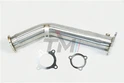
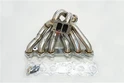
If you're interested in other performance - enhancing parts for your Golf 7 or other vehicles, I'd like to mention a few related products. The Mk7 Gti Charge Pipe can improve the efficiency of the turbocharging system by reducing the temperature of the intake air. A Car Mid Pipe is an important part of the exhaust system that can further optimize exhaust flow. And for Audi RS6 C8 owners, the RS6 C8 Downpipes can significantly improve the performance of the vehicle's exhaust system.
Implications for Your Golf 7
Whether the EGT increases or decreases, it's important to understand the implications for your Golf 7. If the EGT decreases, it can be beneficial for the long - term health of the engine. Lower temperatures mean less stress on engine components, which can lead to reduced wear and tear and potentially longer engine life.
If the EGT increases, it's important to monitor it closely. High EGTs can cause damage to the catalytic converter, exhaust valves, and other engine components. You may need to adjust the engine's tuning or take other measures to keep the EGT within a safe range.
Conclusion
In conclusion, a catback exhaust can have a significant impact on the exhaust gas temperature of your Golf 7. While it can potentially decrease EGTs due to reduced backpressure and improved exhaust flow, it can also increase EGTs under certain conditions, such as a leaner air - fuel mixture or a decrease in exhaust gas velocity.
As a supplier of catback exhaust systems for the Golf 7, I'm always here to help you make an informed decision. If you're considering upgrading your exhaust system, I encourage you to reach out to me for more information. Whether you're looking for performance gains, a better exhaust note, or both, I can provide you with the right catback exhaust system for your needs. Contact me to start a discussion about your specific requirements and how we can work together to enhance your Golf 7's performance.
References
- Heywood, J. B. (1988). Internal Combustion Engine Fundamentals. McGraw - Hill.
- Crolla, D. A. (2001). Vehicle Dynamics: Theory and Application. Society of Automotive Engineers.
- Taylor, C. F. (1985). The Internal Combustion Engine in Theory and Practice. MIT Press.