Titanium tailpipes have become a popular choice among automotive enthusiasts and those looking to enhance the performance and aesthetics of their vehicles. As a reliable titanium tailpipe supplier, we are frequently asked about the effects of titanium tailpipes on the exhaust's laminar flow. In this blog post, we will delve into the science behind laminar flow, explore how titanium tailpipes can influence it, and highlight the benefits that come with our high - quality titanium tailpipe products.
Understanding Laminar Flow in Exhaust Systems
Laminar flow refers to a type of fluid flow in which the fluid moves in parallel layers, with minimal disruption between the layers. In an exhaust system, laminar flow is desirable because it allows the exhaust gases to exit the engine more efficiently. When exhaust gases flow in a laminar manner, there is less turbulence, which means reduced pressure drop and better scavenging of the exhaust from the combustion chambers. This can lead to improved engine power and fuel efficiency.
In contrast, turbulent flow is chaotic, with the fluid moving in random directions and eddies forming. Turbulence in the exhaust system can impede the flow of gases, increase back - pressure, and reduce engine performance. Achieving and maintaining laminar flow is a key objective in the design of high - performance exhaust systems.


Properties of Titanium
Titanium is a remarkable metal that offers several advantages when used in exhaust systems. It is known for its high strength - to - weight ratio, which means it can withstand the high temperatures and pressures of the exhaust gases while being lighter than traditional materials such as steel. Additionally, titanium is corrosion - resistant, which ensures a longer lifespan for the tailpipe.
From the perspective of fluid dynamics, the smooth surface finish of titanium is particularly important. Titanium can be machined to have a very smooth inner surface, which minimizes the roughness that can disrupt the laminar flow of exhaust gases. The smoother the surface, the less likely it is for the exhaust gases to deviate from their parallel paths and form turbulent eddies.
How Titanium Tailpipes Affect Laminar Flow
- Smooth Inner Surface
As mentioned earlier, the smoothness of the titanium tailpipe's inner surface plays a crucial role in promoting laminar flow. When exhaust gases flow through a tailpipe with a smooth inner wall, they are less likely to encounter obstacles that would cause them to change direction or form vortices. In comparison, a rough - surfaced tailpipe, such as one made from a lower - quality material, can cause the gases to bounce off the walls, creating turbulence and disrupting the laminar flow. - Shape and Design
The shape of the titanium tailpipe also affects laminar flow. A well - designed tailpipe with a consistent diameter and a smooth curvature allows the exhaust gases to flow more uniformly. Abrupt changes in the diameter or sharp bends in the tailpipe can create areas of stagnant flow and turbulence. Our titanium tailpipes are engineered with precision to ensure a smooth transition from the exhaust system to the atmosphere, maintaining the laminar flow of the exhaust gases. - Temperature Resistance
Titanium's excellent temperature resistance helps to keep the tailpipe's shape and surface integrity under high - temperature conditions. In an exhaust system, the gases can reach extremely high temperatures. If the tailpipe material expands or deforms due to the heat, it can disrupt the flow of the exhaust gases and cause turbulence. Titanium's ability to maintain its shape and strength at high temperatures ensures that the laminar flow is not compromised.
Benefits of Improved Laminar Flow with Titanium Tailpipes
- Enhanced Engine Performance
By promoting laminar flow, titanium tailpipes reduce back - pressure in the exhaust system. This allows the engine to expel exhaust gases more easily, which in turn improves the intake of fresh air - fuel mixture. As a result, the engine can operate more efficiently, producing more power and torque. - Fuel Efficiency
When the exhaust gases flow smoothly, the engine doesn't have to work as hard to push them out. This reduction in workload can lead to improved fuel efficiency. With rising fuel costs, this is an important consideration for many vehicle owners. - Aesthetics and Durability
In addition to the performance benefits, titanium tailpipes also enhance the appearance of the vehicle. They have a sleek and modern look that can give a car a more aggressive and high - performance appearance. Moreover, their corrosion - resistant properties mean that they will maintain their appearance and functionality for a long time.
Our Product Range and Compatibility
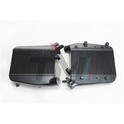
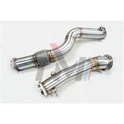
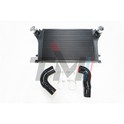
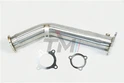
As a leading titanium tailpipe supplier, we offer a wide range of products to suit different vehicle models. Whether you have a Mercedes - Benz, a BMW, or an Audi, we have options for you. For example, our tailpipes are compatible with vehicles that require specific components such as the C43 C400 C450 Intercooler, the M4 Equal Length Mid Pipe, and the B8 B8.5 Charge Pipe. Our team of experts can help you choose the right tailpipe for your vehicle to ensure optimal performance and compatibility.
Contact Us for Procurement
If you are interested in enhancing your vehicle's exhaust system with our high - quality titanium tailpipes, we encourage you to reach out to us for procurement and further discussion. Our experience in the industry, combined with our commitment to providing top - notch products, makes us the ideal partner for your automotive needs. Whether you are a car enthusiast looking to upgrade your personal vehicle or a business in the automotive aftermarket, we can offer the solutions you need.
References
- White, F. M. (2011). Fluid Mechanics (7th ed.). McGraw - Hill.
- Heywood, J. B. (1988). Internal Combustion Engine Fundamentals. McGraw - Hill.