An exhaust pipe is a crucial component of an exhaust system, and its design and characteristics significantly influence exhaust flow. As an exhaust system supplier, we understand the intricate relationship between exhaust pipes and exhaust flow, and we're here to share in - depth knowledge on this topic.
Basic Principles of Exhaust Flow
To understand how an exhaust pipe affects exhaust flow, we first need to grasp the basic principles of exhaust flow. When an engine burns fuel, it produces high - pressure exhaust gases. These gases need to be expelled from the engine cylinders efficiently. The exhaust system, with the exhaust pipe as a key part, is responsible for guiding these gases out of the vehicle.
The flow of exhaust gases can be described by fluid dynamics principles. The pressure difference between the engine cylinders and the end of the exhaust pipe drives the flow. The exhaust gases move from an area of high pressure (inside the cylinders) to an area of low pressure (outside the vehicle). The exhaust pipe acts as a conduit, and its internal diameter, length, and shape all play roles in determining how smoothly and quickly the gases can flow through it.


Impact of Pipe Diameter on Exhaust Flow
One of the most significant factors is the diameter of the exhaust pipe. A larger - diameter exhaust pipe generally allows for a greater volume of exhaust gases to pass through per unit of time. This can be beneficial for high - performance engines that produce a large amount of exhaust gases. For example, in a high - displacement V8 engine, a larger - diameter exhaust pipe can prevent back - pressure build - up. Back - pressure is the resistance that the exhaust gases encounter as they try to exit the engine. When back - pressure is too high, it can impede the engine's ability to expel exhaust gases, which in turn reduces engine power and efficiency.
However, simply increasing the pipe diameter is not always the best solution. If the pipe diameter is too large for the engine's output, it can actually decrease exhaust velocity. Exhaust velocity is important because it helps to scavenge the cylinders. Scavenging is the process of removing the remaining exhaust gases from the cylinders during the exhaust stroke. A higher exhaust velocity creates a suction effect that helps to pull the exhaust gases out of the cylinders more effectively. For smaller engines or engines that operate at lower RPMs, a smaller - diameter exhaust pipe may be more appropriate as it can maintain a higher exhaust velocity.
Influence of Pipe Length on Exhaust Flow
The length of the exhaust pipe also has a notable impact on exhaust flow. A longer exhaust pipe can act as a resonator. Resonance occurs when the natural frequency of the exhaust gases matches the frequency of the pressure waves in the pipe. When this happens, it can enhance the flow of exhaust gases by creating a standing wave pattern that helps to push the gases out of the engine.
On the other hand, a very long exhaust pipe can increase the overall resistance to flow. The longer the path that the exhaust gases have to travel, the more energy they lose due to friction with the inner walls of the pipe. This can lead to an increase in back - pressure. Therefore, when designing an exhaust system, it's essential to find the optimal length for the exhaust pipe based on the engine's characteristics and the vehicle's intended use.
Shape and Bends in the Exhaust Pipe
The shape of the exhaust pipe and the presence of bends also affect exhaust flow. A straight exhaust pipe offers the least resistance to flow because the gases can move in a direct path. However, in most vehicles, due to space constraints and other design considerations, exhaust pipes often have bends. Each bend in the pipe creates a point of turbulence, which increases the resistance to flow.
To minimize the negative impact of bends, smooth and gradual bends are preferred over sharp ones. Sharp bends can cause the exhaust gases to separate from the inner wall of the pipe, creating eddies and increasing back - pressure. Manufacturers often use mandrel - bent pipes. Mandrel - bending is a process where a mandrel (a solid rod) is inserted into the pipe during the bending process. This ensures that the cross - section of the pipe remains consistent throughout the bend, reducing turbulence and maintaining exhaust flow efficiency.
Material of the Exhaust Pipe
The material of the exhaust pipe can also influence exhaust flow. Different materials have different levels of internal surface roughness. A smoother internal surface reduces friction between the exhaust gases and the pipe wall, allowing the gases to flow more freely. For example, stainless - steel exhaust pipes are popular because they have a relatively smooth internal surface and are also corrosion - resistant.
In addition, the thermal conductivity of the material matters. Exhaust gases lose heat as they travel through the pipe. A material with high thermal conductivity, such as aluminum, can transfer heat from the exhaust gases to the surrounding environment more quickly. This can cause the gases to contract, which may reduce the volume of the gases and thus the flow rate. On the other hand, a material with lower thermal conductivity, like some types of stainless steel, can help to maintain the temperature and volume of the exhaust gases, which is beneficial for maintaining exhaust velocity.
Exhaust Manifolds and Their Role
Exhaust manifolds are the components that collect the exhaust gases from the engine cylinders and direct them into the exhaust pipe. The design of the exhaust manifold can have a significant impact on exhaust flow. A well - designed exhaust manifold will evenly distribute the exhaust gases and minimize the interference between the gases from different cylinders.
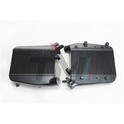
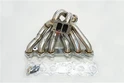
For instance, the Nissan RB20 RB25 Manifold is engineered to optimize the flow of exhaust gases from the Nissan RB20 and RB25 engines. It is designed with equal - length runners, which help to ensure that the exhaust gases from each cylinder reach the exhaust pipe at the same time and with the same pressure. This balanced flow reduces back - pressure and improves engine performance.
Charge Pipes and Downpipes
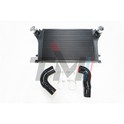
Charge pipes and downpipes are also important parts of the exhaust system that interact with the exhaust pipe. Charge pipes are used in turbocharged engines to carry the compressed air from the turbocharger to the intake manifold. The Mk7 Gti Charge Pipe is designed to handle the high - pressure air flow in the Mk7 GTI's turbocharged system. A well - designed charge pipe can ensure that the air reaches the engine with minimal pressure loss, which in turn affects the engine's ability to burn fuel efficiently and produce power.
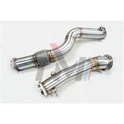
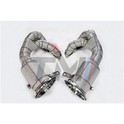
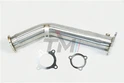
Downpipes connect the exhaust manifold to the rest of the exhaust system. The N63 N63TU Downpipes for BMW engines are crucial for directing the exhaust gases from the engine to the catalytic converter and then to the exhaust pipe. A high - quality downpipe can reduce back - pressure and improve exhaust flow, enhancing the overall performance of the vehicle.
Optimizing Exhaust Flow for Different Applications
Different vehicles have different requirements for exhaust flow. For daily - driven commuter cars, the focus is often on noise reduction and compliance with emissions regulations. In these cases, the exhaust system may include mufflers and catalytic converters that can increase back - pressure to some extent. However, even in these applications, proper design of the exhaust pipe can still improve fuel efficiency and engine performance within the constraints of the regulations.
For high - performance sports cars and racing vehicles, the goal is to maximize exhaust flow to achieve the highest possible engine power. These vehicles often use exhaust systems with minimal restrictions, such as straight - through mufflers and large - diameter exhaust pipes. The exhaust system is fine - tuned to the specific engine characteristics to ensure optimal performance on the track.
Conclusion
In conclusion, the exhaust pipe is a vital part of the exhaust system, and its design characteristics have a profound impact on exhaust flow. Pipe diameter, length, shape, material, as well as the associated components like exhaust manifolds, charge pipes, and downpipes all interact to determine how efficiently the engine can expel exhaust gases.
As an exhaust system supplier, we have the expertise and experience to design and manufacture exhaust systems that are tailored to different engine types and vehicle applications. Whether you are looking for an exhaust system for a high - performance sports car or a reliable and efficient system for a daily driver, we can provide solutions that optimize exhaust flow and enhance engine performance.
If you are interested in learning more about our exhaust systems or would like to discuss a potential procurement, please reach out to us. We are eager to work with you to find the best exhaust solutions for your needs.
References
- Heywood, J. B. (1988). Internal Combustion Engine Fundamentals. McGraw - Hill.
- Crolla, D. A. (2001). Vehicle Dynamics: Theory and Application. Society of Automotive Engineers.
- Taylor, C. F. (1985). The Internal - Combustion Engine in Theory and Practice. MIT Press.