How does the mk7 r intercooler work?
The MK7 R intercooler is a crucial component in the Volkswagen Golf R (MK7) performance ecosystem. As a dedicated supplier of MK7 R intercoolers, I am excited to delve into the inner workings of this remarkable device and explain how it enhances the overall performance of the vehicle.
Understanding the Basics of an Intercooler
To grasp how the MK7 R intercooler operates, it's essential to first understand the fundamental concept of an intercooler. In a turbocharged or supercharged engine, the forced induction system compresses the incoming air. This compression process raises the temperature of the air significantly. Hotter air is less dense, which means it contains fewer oxygen molecules per unit volume. Since the engine's power output is directly related to the amount of oxygen available for combustion, a reduction in air density can limit performance.
An intercooler acts as a heat exchanger. Its primary function is to cool down the compressed air from the turbocharger or supercharger before it enters the engine's intake manifold. By cooling the air, the intercooler increases its density, allowing more oxygen to be packed into each cylinder. This results in a more efficient combustion process, which in turn boosts horsepower, torque, and overall engine performance.
The Design of the MK7 R Intercooler
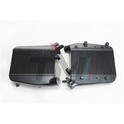
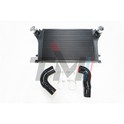
The MK7 R intercooler is specifically designed to fit the unique specifications of the Volkswagen Golf R (MK7) model. It is typically made up of a series of thin metal tubes and fins. The compressed air from the turbocharger flows through the tubes, while ambient air passes over the fins. The large surface area created by the fins allows for efficient heat transfer between the hot compressed air inside the tubes and the cooler ambient air outside.
The intercooler is strategically located in the front of the vehicle, where it can receive a constant flow of fresh, cool air. This positioning is crucial for ensuring optimal cooling performance, especially during high-speed driving or under heavy load conditions. Additionally, the intercooler is integrated into the vehicle's overall cooling system, which helps to further dissipate the heat generated during the cooling process.
The Working Process of the MK7 R Intercooler
Let's take a closer look at the step-by-step working process of the MK7 R intercooler:
- Compression of Air: The turbocharger in the MK7 R compresses the incoming air, increasing its pressure and temperature. This hot, compressed air then travels through the intake piping towards the intercooler.
- Entry into the Intercooler: The hot compressed air enters the intercooler through the inlet pipe. Inside the intercooler, it flows through a network of tubes that are designed to maximize the surface area available for heat transfer.
- Heat Transfer: As the hot compressed air flows through the tubes, ambient air passes over the fins of the intercooler. The heat from the compressed air is transferred to the fins, which then radiate the heat into the surrounding environment. This process cools down the compressed air significantly.
- Exit from the Intercooler: Once the compressed air has been cooled, it exits the intercooler through the outlet pipe and flows towards the engine's intake manifold. The cooler, denser air is then mixed with fuel and ignited in the engine's cylinders, resulting in a more powerful and efficient combustion process.
Benefits of Using an Upgraded MK7 R Intercooler
While the stock MK7 R intercooler is designed to provide adequate cooling performance under normal driving conditions, upgrading to an aftermarket intercooler can offer several significant benefits:


- Increased Horsepower and Torque: By cooling the compressed air more effectively, an upgraded intercooler can increase the density of the air entering the engine. This allows for more efficient combustion, resulting in a noticeable increase in horsepower and torque.
- Improved Throttle Response: A cooler, denser air charge can also improve throttle response, making the vehicle feel more responsive and agile. This is particularly beneficial for drivers who enjoy spirited driving or participate in track events.
- Enhanced Durability: Aftermarket intercoolers are often constructed using higher-quality materials and more advanced manufacturing techniques than their stock counterparts. This can result in improved durability and reliability, especially under extreme conditions.
- Reduced Heat Soak: Heat soak occurs when the intercooler becomes saturated with heat and is no longer able to effectively cool the compressed air. An upgraded intercooler with a larger core size and better heat dissipation capabilities can help to reduce heat soak, ensuring consistent performance even during extended periods of hard driving.
Related Products and Links
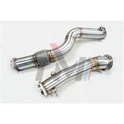
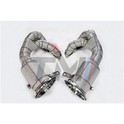
In addition to our high-quality MK7 R intercoolers, we also offer a range of other performance products for various makes and models. For BMW enthusiasts, we have the F10 M5 Downpipe and N55 Downpipe, which can significantly improve exhaust flow and performance. For Mercedes-Benz owners, our AMG S63 M177 Downpipes are a popular choice for enhancing power and sound.
Conclusion
The MK7 R intercooler plays a vital role in the performance of the Volkswagen Golf R (MK7). By cooling the compressed air from the turbocharger, it increases the density of the air entering the engine, resulting in improved horsepower, torque, and overall engine efficiency. As a leading supplier of MK7 R intercoolers, we are committed to providing our customers with high-quality products that deliver exceptional performance and reliability.
If you're interested in upgrading your MK7 R intercooler or exploring our other performance products, we encourage you to contact us to discuss your specific needs. Our team of experts is here to help you make the right choice and ensure that you get the most out of your vehicle.
References
- Automotive Engineering Handbook, Society of Automotive Engineers (SAE) International
- Turbocharging Technology: Principles, Design, and Application, John Wiley & Sons