As a trusted supplier of exhaust systems, I often get asked the question: How often should the exhaust system be inspected? This is a crucial topic for both vehicle owners and automotive enthusiasts, as a well - maintained exhaust system not only ensures optimal vehicle performance but also contributes to environmental protection and safety.
Importance of Regular Exhaust System Inspections
The exhaust system plays a vital role in a vehicle. It is responsible for removing harmful gases produced during the combustion process, reducing engine noise, and improving engine efficiency. Over time, the exhaust system is exposed to extreme heat, moisture, and road debris, which can cause wear and tear. If left uninspected, minor issues can escalate into major problems, leading to costly repairs or even safety hazards.
One of the primary functions of the exhaust system is to channel exhaust gases away from the engine and out of the vehicle. These gases contain toxic substances such as carbon monoxide, which can be extremely dangerous if they leak into the vehicle's cabin. Regular inspections can help detect leaks early, preventing potential health risks to the vehicle's occupants.
In addition to safety concerns, a damaged exhaust system can also have a negative impact on engine performance. A leaky exhaust can cause a loss of backpressure, which is essential for the proper functioning of the engine. This can result in reduced power, decreased fuel efficiency, and increased emissions. By inspecting the exhaust system regularly, vehicle owners can ensure that their engines are running at peak performance.
Factors Affecting Inspection Frequency
The frequency of exhaust system inspections can vary depending on several factors. Here are some key considerations:
Driving Conditions
- City Driving: If you do a lot of stop - and - go driving in the city, your exhaust system is likely to experience more stress. Frequent starts and stops can cause the exhaust system to heat up and cool down rapidly, which can lead to premature wear. In this case, it is recommended to have your exhaust system inspected every 6,000 to 10,000 miles.
- Highway Driving: Highway driving is generally less stressful on the exhaust system. The engine operates at a more consistent speed, and the exhaust system is exposed to less frequent temperature changes. However, highway driving can still expose the exhaust system to road debris, such as rocks and gravel. It is still advisable to have your exhaust system inspected every 10,000 to 15,000 miles.
Vehicle Age and Mileage
- Older Vehicles: As vehicles age, their exhaust systems are more likely to develop problems. The components of the exhaust system, such as the pipes, mufflers, and catalytic converters, can corrode over time. If you own an older vehicle, it is recommended to have your exhaust system inspected more frequently, perhaps every 5,000 to 7,000 miles.
- High - Mileage Vehicles: Vehicles with high mileage are also more prone to exhaust system issues. The more miles a vehicle has, the more wear and tear the exhaust system has endured. High - mileage vehicles should be inspected at least once a year or every 10,000 miles, whichever comes first.
Type of Exhaust System
- Stock Exhaust Systems: Stock exhaust systems are designed to meet the basic requirements of the vehicle. They are generally more durable and less prone to problems compared to aftermarket exhaust systems. However, they still require regular inspections. A stock exhaust system should be inspected every 10,000 to 15,000 miles.
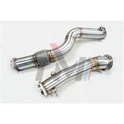
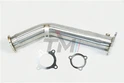
- Aftermarket Exhaust Systems: Aftermarket exhaust systems, such as Downpipe And Midpipe, are often designed for performance or aesthetic purposes. These systems may be made of different materials and have a different design compared to stock exhaust systems. As a result, they may require more frequent inspections, especially if they are installed in a high - performance vehicle. It is recommended to have aftermarket exhaust systems inspected every 5,000 to 10,000 miles.
Signs That Your Exhaust System Needs Inspection
In addition to following a regular inspection schedule, vehicle owners should also be aware of the signs that their exhaust system may need attention. Here are some common symptoms:
Loud Noises
If you notice a sudden increase in exhaust noise, it could be a sign of a leak or a damaged muffler. A rattling or hissing sound may indicate a loose or cracked exhaust pipe.
Decreased Fuel Efficiency
As mentioned earlier, a damaged exhaust system can cause a loss of backpressure, which can lead to decreased fuel efficiency. If you find that you are filling up your gas tank more frequently than usual, it may be time to have your exhaust system inspected.
Strange Smells
A strong smell of exhaust fumes inside the vehicle can be a sign of a leak in the exhaust system. This is a serious safety issue, as carbon monoxide is odorless and can be deadly if inhaled in large quantities.


Poor Engine Performance
A decrease in power, rough idling, or difficulty starting the engine can all be symptoms of an exhaust system problem. If you experience any of these issues, it is important to have your exhaust system checked as soon as possible.
Our Role as an Exhaust System Supplier
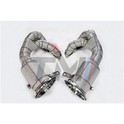
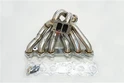
At our company, we understand the importance of a well - maintained exhaust system. That's why we offer a wide range of high - quality exhaust system components, including Toyota Supra 2JZ - GTE Manifold and RS7 C8 Downpipes. Our products are designed to meet the highest standards of quality and performance, ensuring that your vehicle's exhaust system functions properly.
In addition to providing top - notch products, we also offer expert advice on exhaust system maintenance. Our team of experienced technicians can help you determine the appropriate inspection frequency for your vehicle based on your driving habits, vehicle age, and type of exhaust system. We can also assist you in diagnosing and fixing any exhaust system problems that you may encounter.
Conclusion
Regular inspection of the exhaust system is essential for the safety, performance, and longevity of your vehicle. By following a proper inspection schedule and being aware of the signs of a damaged exhaust system, you can avoid costly repairs and ensure that your vehicle runs smoothly.
If you are in the market for high - quality exhaust system components or need professional advice on exhaust system maintenance, we invite you to get in touch with us. Our team is ready to assist you with all your exhaust system needs. Whether you are a vehicle owner looking to upgrade your exhaust system or an automotive repair shop in need of reliable parts, we are here to help. Contact us today to start a procurement discussion and take the first step towards a better - performing exhaust system.
References
- "Automotive Exhaust Systems: Design, Performance, and Tuning" by David Crolla
- "The Automotive Handbook" by Bosch