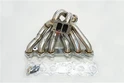
Hey there, fellow car enthusiasts! As a charge pipe supplier, I've seen firsthand how important it is to insulate your charge pipe properly. A well-insulated charge pipe can make a huge difference in your vehicle's performance, keeping the intake air cool and dense for better combustion. In this blog post, I'm gonna walk you through the process of insulating a charge pipe, step by step.
Why Insulate Your Charge Pipe?
Before we dive into the how-to, let's talk about why you should insulate your charge pipe in the first place. When your engine sucks in air, it gets compressed by the turbocharger or supercharger, which heats it up. Hot air is less dense than cold air, which means there's less oxygen available for combustion. This can lead to a decrease in power and efficiency.


By insulating your charge pipe, you can keep the intake air cool and dense, which means more oxygen for combustion and more power. It can also help reduce heat soak, which is when the heat from the engine bay transfers to the charge pipe and heats up the intake air. Heat soak can cause a significant drop in performance, especially in hot weather or during extended periods of high-speed driving.
What You'll Need
Now that you know why you should insulate your charge pipe, let's talk about what you'll need to do it. Here's a list of the tools and materials you'll need:
- Charge pipe insulation tape: You can find this at most auto parts stores or online. Make sure to choose a tape that's specifically designed for charge pipe insulation and can withstand high temperatures.
- Heat-resistant adhesive: This will help keep the insulation tape in place and prevent it from coming loose.
- Scissors: You'll need these to cut the insulation tape to the right length.
- Cleaning supplies: You'll need to clean the charge pipe before applying the insulation tape to ensure a good bond. Use a degreaser and a clean cloth to remove any dirt, oil, or debris from the surface of the charge pipe.
Step-by-Step Guide
Now that you have everything you need, let's get started on insulating your charge pipe. Here's a step-by-step guide:
- Remove the charge pipe: Before you can insulate the charge pipe, you'll need to remove it from your vehicle. This will make it easier to work on and ensure that you can apply the insulation tape evenly. Refer to your vehicle's service manual for instructions on how to remove the charge pipe.
- Clean the charge pipe: Once you've removed the charge pipe, use a degreaser and a clean cloth to remove any dirt, oil, or debris from the surface of the charge pipe. Make sure to clean the entire surface of the charge pipe, including the bends and curves.
- Measure and cut the insulation tape: Measure the length of the charge pipe and cut the insulation tape to the right length. Make sure to leave a little extra tape at each end to allow for overlapping.
- Apply the heat-resistant adhesive: Apply a thin layer of heat-resistant adhesive to the surface of the charge pipe. Make sure to cover the entire surface of the charge pipe, including the bends and curves.
- Apply the insulation tape: Starting at one end of the charge pipe, carefully apply the insulation tape to the surface of the charge pipe. Make sure to press the tape firmly against the surface of the charge pipe to ensure a good bond. Overlap the tape slightly as you go to prevent any gaps.
- Trim the excess tape: Once you've applied the insulation tape to the entire length of the charge pipe, use scissors to trim the excess tape at each end. Make sure to leave a little extra tape at each end to allow for overlapping.
- Reinstall the charge pipe: Once you've finished insulating the charge pipe, reinstall it in your vehicle. Make sure to tighten all the bolts and clamps securely to prevent any leaks.
Tips and Tricks
Here are a few tips and tricks to help you insulate your charge pipe like a pro:
- Use a heat gun: If you're having trouble getting the insulation tape to stick to the charge pipe, you can use a heat gun to warm up the tape and make it more pliable. Just be careful not to overheat the tape, as this can cause it to melt or burn.
- Cover the bends and curves: Make sure to cover the bends and curves in the charge pipe with insulation tape to prevent any heat transfer. You may need to cut the tape into smaller pieces and apply it in sections to get a good fit.
- Insulate the intercooler pipes: In addition to insulating the charge pipe, you may also want to insulate the intercooler pipes. This can help keep the intake air cool and dense all the way from the turbocharger or supercharger to the engine.
- Check for leaks: Once you've reinstalled the charge pipe, make sure to check for any leaks. Start the engine and let it run for a few minutes, then check the charge pipe and the intercooler pipes for any signs of air leaks. If you notice any leaks, tighten the bolts and clamps or replace any damaged parts.
Related Products
If you're looking for other performance parts to improve your vehicle's performance, check out some of our other products:
- TAIMEI BMW B48 F Series Intake Manifold: This high-performance intake manifold is designed to increase airflow and improve throttle response in your BMW B48 F Series engine.
- RS6 C8 Downpipe: This aftermarket downpipe is designed to increase exhaust flow and improve performance in your Audi RS6 C8.
- 911 Turbo Intercooler: This high-performance intercooler is designed to keep the intake air cool and dense in your Porsche 911 Turbo, resulting in more power and better performance.
Conclusion
Insulating your charge pipe is a simple and effective way to improve your vehicle's performance. By keeping the intake air cool and dense, you can increase power and efficiency and reduce heat soak. With the right tools and materials, you can insulate your charge pipe yourself in just a few hours. If you have any questions or need help with your charge pipe insulation project, don't hesitate to contact us. We're here to help you get the most out of your vehicle.
References
- "How to Insulate a Charge Pipe." Car Throttle, 2021.
- "Charge Pipe Insulation: Why It Matters and How to Do It." AutoZone, 2021.
- "The Benefits of Charge Pipe Insulation." TurboKits.com, 2021.