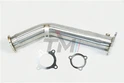
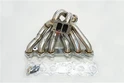
Downpipes play a crucial role in the exhaust system of vehicles, facilitating the efficient flow of exhaust gases from the engine to the rest of the exhaust system. As a downpipe supplier, I have extensive knowledge of the different types of downpipes available in the market. In this blog post, I will explore these various types, their features, and applications.
Cast Iron Downpipes
Cast iron downpipes have been a traditional choice for many vehicles. They are known for their durability and ability to withstand high temperatures. The casting process allows for complex shapes to be created, which can be beneficial for routing the exhaust gases in a compact engine bay.
One of the main advantages of cast iron downpipes is their strength. They can handle the rigors of daily driving and are less likely to crack or break compared to some other materials. However, they are relatively heavy, which can add to the overall weight of the vehicle and potentially affect performance. Additionally, cast iron is prone to corrosion over time, especially in areas with high humidity or where road salt is used.
Stainless Steel Downpipes
Stainless steel downpipes have gained popularity in recent years due to their numerous advantages. They offer excellent corrosion resistance, which is a significant benefit, especially for vehicles that are exposed to harsh environmental conditions. Stainless steel is also lighter than cast iron, which can contribute to improved fuel efficiency and vehicle performance.


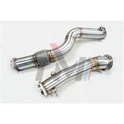
There are different grades of stainless steel used in downpipes, with varying levels of corrosion resistance and strength. Higher-grade stainless steel downpipes are often more expensive but offer better long - term performance. For those interested in Stainless Downpipe, we offer a wide range of options that are designed to meet the specific needs of different vehicles.
Ceramic Coated Downpipes
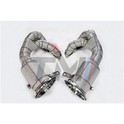
Ceramic coated downpipes are a specialized type of downpipe that combines the benefits of a base material (usually stainless steel) with a ceramic coating. The ceramic coating serves several purposes. Firstly, it helps to reduce heat transfer from the exhaust gases to the surrounding engine bay components. This can lower the under - hood temperature, which is beneficial for the performance and longevity of other engine parts.
Secondly, the ceramic coating provides an additional layer of protection against corrosion. It also gives the downpipe a more aesthetically pleasing appearance. However, the ceramic coating can be damaged if the downpipe is subjected to physical impact or extreme temperature variations.
Catless Downpipes
Catless downpipes, as the name suggests, do not have a catalytic converter. Catalytic converters are designed to reduce harmful emissions from the exhaust gases. By removing the catalytic converter, catless downpipes can provide a more direct path for the exhaust gases, resulting in increased horsepower and torque.
However, catless downpipes are not legal in many areas due to strict emissions regulations. They can also cause the vehicle to produce more pollutants, which is harmful to the environment. In addition, without a catalytic converter, the engine may experience a change in the air - fuel ratio, which can lead to other performance issues if not properly tuned.
High - Flow Catalytic Downpipes
High - flow catalytic downpipes are a compromise between catless downpipes and standard catalytic downpipes. They have a catalytic converter, but the design of the converter allows for a higher flow rate of exhaust gases compared to a stock catalytic converter.
This means that they can still reduce emissions while providing some performance benefits. High - flow catalytic downpipes are a popular choice for those who want to improve their vehicle's performance without violating emissions regulations.
Turbo Downpipes
Turbo downpipes are specifically designed for turbocharged engines. They connect the turbocharger to the rest of the exhaust system. The design of turbo downpipes is crucial for maximizing the efficiency of the turbocharger.
A well - designed turbo downpipe can reduce backpressure, allowing the turbocharger to spool up more quickly. This results in improved throttle response and increased power output. For BMW vehicles with B58 engines, we offer the Best B58 Downpipe, which is engineered to optimize the performance of these engines.
Exhaust Tail Pipes
While not strictly a downpipe, exhaust tail pipes are an important part of the exhaust system. They are the visible end of the exhaust system and can have a significant impact on the vehicle's appearance. Stainless Steel Exhaust Tail Pipe is a popular choice due to its corrosion resistance and sleek look.
Exhaust tail pipes come in various shapes and sizes, such as round, oval, and square. They can also have different finishes, including polished, matte, and black. The choice of exhaust tail pipe depends on the vehicle's style and the owner's personal preferences.
Factors to Consider When Choosing a Downpipe
When selecting a downpipe for your vehicle, several factors need to be considered. Firstly, you need to consider the legal requirements in your area. As mentioned earlier, catless downpipes may not be legal in many places, so it's important to choose a downpipe that complies with local emissions regulations.
Secondly, your performance goals play a significant role. If you're looking for maximum power gains, a catless or high - flow catalytic downpipe may be suitable. However, if you're more concerned about reducing emissions and maintaining a stock - like performance, a standard catalytic downpipe may be the better choice.
The material of the downpipe is also important. Stainless steel is generally a good choice for its corrosion resistance and light weight, but cast iron may be preferred in some applications where durability is the primary concern.
Why Choose Our Downpipes
As a downpipe supplier, we take pride in offering high - quality downpipes that are designed to meet the diverse needs of our customers. Our downpipes are manufactured using the latest technology and the best materials available.
We have a team of experts who can provide professional advice on choosing the right downpipe for your vehicle. Whether you're a car enthusiast looking to upgrade your vehicle's performance or a mechanic in need of reliable downpipes for your customers, we can provide the solutions you need.
If you're interested in learning more about our downpipes or have any questions about which type of downpipe is suitable for your vehicle, we encourage you to contact us for a procurement discussion. We look forward to working with you to enhance your vehicle's exhaust system.
References
- Automotive Exhaust Systems: Design, Theory, and Components by Colin R. Harris
- Performance Exhaust Systems: How to Build & Modify by Larry Carley