When it comes to high - rise building construction and maintenance, installing downpipes is a crucial task that requires careful safety considerations. As a downpipe supplier, I've witnessed firsthand the importance of ensuring that these installations are carried out with the highest safety standards. In this blog, I'll discuss the key safety aspects that should be taken into account during the installation of downpipes on high - rise buildings.
1. Pre - installation Safety Checks
Structural Integrity
Before starting the installation, it's essential to assess the structural integrity of the building. High - rise buildings are subject to various forces such as wind, seismic activity, and the weight of the building itself. The areas where the downpipes will be installed need to be able to support the additional weight and stress. For example, if the building's facade is made of a brittle material, improper installation could cause damage to the structure. A structural engineer should be consulted to determine the appropriate mounting points and the load - bearing capacity of the building at those locations.
Weather Conditions
Weather plays a significant role in the safety of downpipe installation. High winds, rain, snow, or extreme temperatures can make the installation process dangerous. For instance, strong winds can make it difficult for workers to handle the downpipes and maintain their balance on elevated platforms. Rain and snow can make surfaces slippery, increasing the risk of falls. It's advisable to schedule the installation during favorable weather conditions and to have a contingency plan in case of sudden weather changes.
Personal Protective Equipment (PPE)
All workers involved in the installation should be equipped with the appropriate PPE. This includes hard hats to protect against falling objects, safety harnesses to prevent falls from heights, non - slip footwear to ensure stability on slippery surfaces, and safety glasses to protect the eyes from debris. Employers should provide proper training on the correct use of PPE and enforce its use at all times.
2. Installation Process Safety
Working at Heights
Installing downpipes on high - rise buildings often involves working at significant heights. Workers should be trained in working at heights and follow strict safety protocols. This may include using scaffolding, boom lifts, or other elevated work platforms that are properly maintained and inspected. The platforms should be secured to the building to prevent movement and should have guardrails to prevent falls. Workers should also be attached to a reliable fall - arrest system at all times when working at heights.
Handling Heavy Materials
Downpipes can be heavy and awkward to handle, especially on high - rise buildings. Workers should use proper lifting techniques to avoid back injuries. Mechanical aids such as hoists or cranes can be used to lift the downpipes to the installation location. When using these tools, it's important to ensure that they are operated by trained personnel and that they are in good working condition.
Electrical Safety
In some cases, the installation of downpipes may involve working near electrical systems. Workers should be aware of the location of electrical wires and equipment and take appropriate precautions to avoid electrical hazards. This may include de - energizing the electrical system before starting work in the vicinity, using insulated tools, and wearing electrical - resistant PPE.
Fire Safety
During the installation process, there may be a risk of fire, especially if welding or other hot work is required. A fire prevention plan should be in place, which includes having fire extinguishers on site, designating a fire - watch person, and ensuring that the work area is clear of flammable materials. Workers should also be trained in fire safety procedures.

3. Post - installation Safety
Inspection and Testing
Once the downpipes are installed, a thorough inspection and testing should be carried out to ensure their proper functioning and safety. This includes checking for leaks, proper alignment, and secure mounting. Any issues found during the inspection should be addressed immediately. Pressure testing can also be performed to ensure that the downpipes can withstand the expected water flow without bursting or leaking.
Maintenance Plan
A regular maintenance plan should be established to keep the downpipes in good condition. This includes cleaning the downpipes to prevent blockages, inspecting the mounting brackets for signs of wear or damage, and replacing any worn - out parts. Regular maintenance can help prevent safety issues such as water damage to the building and potential collapses of the downpipes.
4. Product - related Safety
Quality of Downpipes
As a downpipe supplier, I understand the importance of providing high - quality products. The downpipes should be made of durable materials that can withstand the environmental conditions of the high - rise building. For example, in areas with high levels of pollution or saltwater exposure, corrosion - resistant materials such as stainless steel or PVC should be used. The downpipes should also meet relevant industry standards and regulations.
Compatibility with the Building
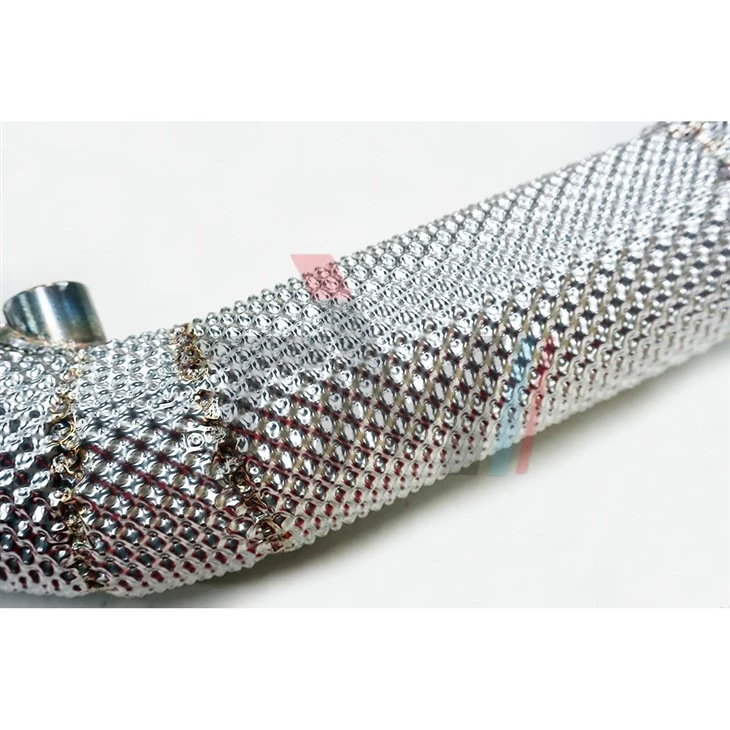
The downpipes should be compatible with the design and structure of the high - rise building. This includes ensuring that the size and shape of the downpipes are appropriate for the building's drainage system and that they can be easily installed without causing damage to the building's facade. We offer a wide range of downpipes, such as the S55 Downpipe, 718 Cayman Exhaust, and R35 GTR Heat Shield Catted Y Pipe, which are designed to meet the diverse needs of different buildings.
Conclusion
Installing downpipes on high - rise buildings is a complex task that requires careful attention to safety at every stage. From pre - installation checks to post - installation maintenance, each step plays a crucial role in ensuring the safety of the workers and the long - term functionality of the downpipes. As a downpipe supplier, we are committed to providing high - quality products and supporting our customers with the necessary information to ensure safe installations.
If you are in need of downpipes for your high - rise building project or have any questions about the installation process, please feel free to contact us for a detailed discussion. We look forward to working with you to meet your downpipe needs safely and efficiently.
References
- OSHA (Occupational Safety and Health Administration). "Safety Standards for Construction Work at Heights."
- International Building Code (IBC). "Requirements for Drainage Systems in High - Rise Buildings."
- Manufacturer's guidelines for downpipe installation and maintenance.