A properly functioning exhaust system is crucial for the overall performance and efficiency of a vehicle. The exhaust valve, a key component within this system, plays a vital role in controlling the flow of exhaust gases out of the engine cylinders. When an exhaust valve malfunctions, it can lead to a variety of issues that not only affect the vehicle's performance but also its environmental impact. As an exhaust system supplier, I've witnessed firsthand the consequences of faulty exhaust valves and understand the importance of being able to recognize the signs early on.
1. Reduced Engine Power
One of the most noticeable signs of a faulty exhaust valve is a significant reduction in engine power. The exhaust valve is responsible for allowing the burned gases to exit the combustion chamber during the exhaust stroke. When the valve doesn't open or close properly, it can disrupt the normal flow of exhaust gases. This can cause a buildup of pressure in the combustion chamber, which in turn reduces the engine's ability to generate power. For example, if you find that your vehicle is struggling to accelerate as quickly as it used to, or if it has difficulty maintaining speed on inclines, a faulty exhaust valve could be the culprit.
2. Poor Fuel Efficiency
A malfunctioning exhaust valve can also lead to poor fuel efficiency. When the exhaust valve doesn't operate correctly, the engine may not be able to expel all the exhaust gases efficiently. This can result in incomplete combustion, as the fresh air - fuel mixture has to compete with the remaining exhaust gases in the combustion chamber. As a result, the engine has to work harder to produce the same amount of power, which means it consumes more fuel. If you notice that you're filling up your gas tank more frequently than usual, it's worth having your exhaust valve checked.
3. Excessive Exhaust Smoke
Another tell - tale sign of a faulty exhaust valve is excessive exhaust smoke. Different colors of smoke can indicate different problems with the exhaust valve. White smoke usually suggests that coolant is leaking into the combustion chamber, which could be due to a damaged exhaust valve seat or valve guide. This can cause the coolant to burn along with the fuel, producing the white smoke. Blue smoke, on the other hand, indicates that oil is entering the combustion chamber. A worn - out exhaust valve stem seal or a damaged valve guide can allow oil to seep into the combustion chamber, resulting in blue smoke. Black smoke is often a sign of a rich fuel mixture, which can occur when the exhaust valve doesn't open properly, leading to incomplete combustion.
4. Loud Exhaust Noise
A faulty exhaust valve can also cause loud and unusual exhaust noises. When the valve doesn't close tightly, it can create a hissing or popping sound. This is because the high - pressure exhaust gases are leaking past the valve when they shouldn't be. The noise may be more noticeable when the engine is under load, such as when you're accelerating or climbing a hill. In some cases, the noise can be so loud that it's clearly audible from inside the vehicle, making for an unpleasant driving experience.
5. Misfiring Engine
An engine misfire is another common symptom of a faulty exhaust valve. A misfire occurs when the air - fuel mixture in one or more cylinders fails to ignite properly. If the exhaust valve isn't opening or closing at the right time, it can disrupt the normal combustion process. This can lead to a loss of power, rough idling, and even vibrations in the vehicle. You may feel a jerking motion when the engine misfires, or you might notice that the engine is running unevenly.
6. Check Engine Light
Modern vehicles are equipped with an onboard diagnostic system that monitors the performance of various components, including the exhaust valve. If the system detects a problem with the exhaust valve, it will trigger the check engine light on your dashboard. While the check engine light can indicate a wide range of issues, it's important not to ignore it. A diagnostic scan can be performed to determine the exact cause of the warning, and a faulty exhaust valve could be one of the possibilities.
Impact on Vehicle Performance and Safety
A faulty exhaust valve can have far - reaching consequences for your vehicle. In addition to the performance issues mentioned above, it can also pose a safety risk. For example, a misfiring engine can cause the vehicle to lose power unexpectedly, which can be dangerous, especially when driving at high speeds or in heavy traffic. Moreover, the excessive exhaust smoke can reduce visibility for other drivers on the road.
Our Exhaust System Solutions
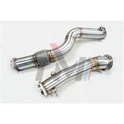
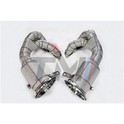
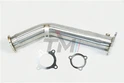
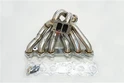
As an exhaust system supplier, we offer a wide range of high - quality exhaust components to address these issues. For instance, we have Mclaren 720S Catted Downpipes that are designed to improve the exhaust flow and performance of your McLaren 720S. These downpipes are engineered to reduce backpressure and enhance the overall efficiency of the exhaust system.
We also provide 992 Carrera Exhausts for Porsche 992 Carrera models. Our exhausts are crafted from premium materials to ensure durability and optimal performance. They are designed to provide a deep, aggressive sound while also improving the engine's power and fuel efficiency.
For Japanese car enthusiasts, our R35 GTR Heat Shield Catted Downpipes are an excellent choice. These downpipes feature a heat shield to protect other components from the high - temperature exhaust gases and are designed to fit the R35 GTR perfectly.
Contact Us for Procurement
If you suspect that your vehicle has a faulty exhaust valve or if you're looking to upgrade your exhaust system, we're here to help. Our team of experts can provide you with professional advice and guidance on the best exhaust components for your specific vehicle. Whether you're a car enthusiast looking for performance upgrades or a mechanic in need of reliable parts, we have the solutions you're looking for. Contact us to start a procurement discussion and let us help you get your vehicle back in top - notch condition.


References
- "Automotive Engine Design and Performance" by John Heywood
- "Exhaust System Technology and Design" by Richard Stone
- Various automotive repair manuals and technical resources