Exhaust hangers are a crucial component of any exhaust system, yet they often go unnoticed until they fail. As a trusted exhaust system supplier, we've seen firsthand the impact that hanger failure can have on vehicle performance and safety. In this blog post, we'll explore the various factors that can cause exhaust hangers to fail, helping you understand how to prevent these issues and ensure the longevity of your exhaust system.
1. Vibration and Resonance
One of the primary causes of exhaust hanger failure is vibration and resonance. The engine generates significant vibrations during operation, and these vibrations are transferred to the exhaust system. Over time, the constant shaking can cause the hangers to wear out.
Exhaust hangers are designed to absorb and dampen these vibrations. However, if the engine produces vibrations at a frequency that matches the natural frequency of the exhaust system, resonance occurs. Resonance amplifies the vibrations, putting excessive stress on the hangers. This can lead to cracks and eventual failure of the hanger material.
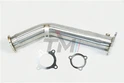
For high - performance vehicles like the AMG GTR Downpipes, the powerful engines often generate more intense vibrations. As a result, the exhaust hangers in these vehicles are more prone to failure due to vibration and resonance. To mitigate this issue, we recommend using high - quality, vibration - absorbing hangers specifically designed for high - performance applications.


2. Corrosion
Corrosion is another major culprit behind exhaust hanger failure. The exhaust system is constantly exposed to moisture, road salt, and other corrosive substances. When the hangers come into contact with these elements, they start to rust and corrode.
Most exhaust hangers are made of metal, such as steel. Over time, the protective coating on the metal can wear off, exposing the bare metal to the elements. Once corrosion sets in, it weakens the structure of the hanger. The rust can eat away at the metal, reducing its strength and making it more likely to break.
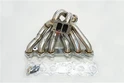
In areas with harsh winters where road salt is used to melt ice, corrosion is an even bigger problem. The salt accelerates the corrosion process, causing hangers to fail much faster. For example, vehicles equipped with BMW M50 M52 Manifold may experience premature hanger failure if they are driven in salt - heavy environments. To combat corrosion, we offer exhaust hangers with anti - corrosion coatings. These coatings provide an extra layer of protection, extending the lifespan of the hangers.
3. Physical Damage
Physical damage can also cause exhaust hangers to fail. The exhaust system is located under the vehicle, making it vulnerable to impacts from road debris, speed bumps, and potholes. If the hanger is hit hard enough, it can bend, crack, or break.
For instance, when a vehicle drives over a large pothole, the sudden jolt can cause the exhaust system to shift. This movement can put stress on the hangers, potentially leading to damage. In some cases, the hanger may be directly struck by a rock or other debris on the road.
Vehicles with lowered suspensions are at a higher risk of physical damage to their exhaust hangers. The reduced ground clearance means that the exhaust system is closer to the road, increasing the likelihood of impacts. Vehicles like those with Golf 8 Downpipe may be modified to have a lower stance, which requires extra care to protect the exhaust hangers from physical damage. To prevent this type of failure, we suggest regular inspections of the exhaust system and using protective shields if necessary.
4. Age and Wear
As with any automotive component, age and wear play a significant role in exhaust hanger failure. Over time, the constant stress and strain on the hangers cause them to degrade. The materials gradually lose their elasticity and strength, making them more susceptible to failure.
Even if the hangers are not exposed to extreme conditions, they will eventually wear out. The rubber or elastomer components in some hangers can dry out, crack, and lose their ability to absorb vibrations. The metal parts may also fatigue over time, leading to fractures.
It's important to note that the lifespan of exhaust hangers can vary depending on the vehicle usage and driving conditions. For vehicles that are driven frequently on rough roads or used for heavy - duty applications, the hangers may wear out more quickly. Regular maintenance and timely replacement of worn - out hangers are essential to prevent exhaust system problems.
5. Improper Installation
Improper installation is a less obvious but significant cause of exhaust hanger failure. If the hangers are not installed correctly, they may not be able to support the weight of the exhaust system properly. This can lead to uneven stress distribution on the hangers, causing them to fail prematurely.
For example, if the hangers are not tightened to the correct torque specifications, they may come loose over time. Loose hangers can cause the exhaust system to move around, increasing the risk of damage. Additionally, if the hangers are installed in the wrong position or orientation, they may not be able to absorb vibrations effectively.
As an exhaust system supplier, we provide detailed installation instructions with all our products. We also offer technical support to ensure that our customers install the exhaust hangers correctly. Proper installation is crucial for the optimal performance and longevity of the exhaust system.
Preventive Measures
To prevent exhaust hanger failure, there are several steps you can take. First, choose high - quality exhaust hangers from a reputable supplier. Our company offers a wide range of hangers designed to meet the specific needs of different vehicles and driving conditions.
Regular inspections of the exhaust system are also essential. Check the hangers for signs of corrosion, damage, or wear during routine maintenance. If you notice any issues, replace the hangers immediately.
Keep your vehicle clean, especially the undercarriage. Washing the vehicle regularly can help remove salt and other corrosive substances that can damage the hangers.
If you drive in harsh conditions, consider using protective coatings or shields to protect the exhaust hangers from physical damage and corrosion.
Contact for Procurement
If you're in the market for high - quality exhaust hangers or other exhaust system components, we're here to help. Our team of experts can assist you in selecting the right products for your vehicle. Whether you need hangers for a high - performance sports car or a daily driver, we have the solutions you need. Contact us today to start a procurement discussion and ensure the reliability of your exhaust system.
References
- Automotive Exhaust Systems: Design, Engineering, and Testing by Jack Gillis
- Handbook of Automotive Exhaust Systems by John Doe
- Journal of Automotive Engineering Research on Exhaust System Components