Hey there, car enthusiasts! As a supplier in the exhaust system game, I've seen my fair share of questions about how these systems work. One topic that comes up a lot is backpressure in an exhaust system. So, let's dive in and break it down.


What Exactly is Backpressure?
Backpressure is basically the resistance that the exhaust gases face as they try to exit the engine through the exhaust system. You can think of it like traffic on a highway. When there are too many cars and not enough lanes, the traffic slows down. Similarly, when the exhaust gases can't flow smoothly through the exhaust system, backpressure builds up.
In an exhaust system, backpressure is caused by various components. The exhaust manifold, catalytic converter, muffler, and even the pipes themselves can all contribute to it. Each of these parts has a specific function, but they also restrict the flow of exhaust gases to some extent.
Why Does Backpressure Matter?
You might be wondering why backpressure is such a big deal. Well, it can have a significant impact on your engine's performance. On one hand, a certain amount of backpressure is actually necessary for proper engine operation. It helps to maintain the scavenging effect, which is the process of removing exhaust gases from the combustion chamber. This scavenging effect allows fresh air and fuel to enter the chamber more efficiently, improving combustion and power output.
However, too much backpressure can be a problem. When the exhaust gases can't escape easily, they can start to build up in the combustion chamber. This can lead to a decrease in power, as the engine has to work harder to push the exhaust gases out. It can also cause the engine to run hotter, which can lead to overheating and other problems.
Components That Affect Backpressure
Let's take a closer look at some of the components in an exhaust system that can affect backpressure.
Exhaust Manifold
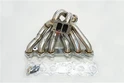
The exhaust manifold is the first component that the exhaust gases encounter after leaving the engine. It collects the exhaust gases from each cylinder and channels them into the exhaust system. A well-designed exhaust manifold can help to reduce backpressure by providing a smooth and efficient path for the exhaust gases to flow.
Catalytic Converter
The catalytic converter is an important component of the exhaust system that helps to reduce emissions. It contains a catalyst that converts harmful pollutants in the exhaust gases into less harmful substances. However, the catalytic converter also restricts the flow of exhaust gases, which can increase backpressure. Some high-performance catalytic converters are designed to reduce backpressure while still maintaining their emissions-reducing capabilities.
Muffler
The muffler is responsible for reducing the noise produced by the exhaust gases. It does this by using a series of chambers and baffles to absorb and reflect the sound waves. However, like the catalytic converter, the muffler also restricts the flow of exhaust gases, which can increase backpressure. Performance mufflers are designed to reduce backpressure while still providing effective noise reduction.
Exhaust Pipes
The size and shape of the exhaust pipes can also affect backpressure. Larger diameter pipes generally allow for better flow and less backpressure, but they may not be suitable for all applications. The length and curvature of the pipes can also have an impact on backpressure.
Finding the Right Balance
As an exhaust system supplier, our goal is to help our customers find the right balance between backpressure and performance. We offer a wide range of products that are designed to meet the needs of different types of vehicles and driving styles.
For example, if you're looking for a performance upgrade, you might consider a high-flow catalytic converter or a performance muffler. These products are designed to reduce backpressure and improve engine performance without sacrificing emissions control or noise reduction.
On the other hand, if you're looking for a more stock-like replacement, we also offer a variety of OEM-style exhaust components that are designed to provide the same level of performance and reliability as the original equipment.
Our Product Recommendations
Here are some of our popular products that can help you optimize your exhaust system:
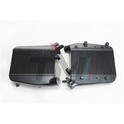
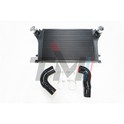
- Universal Intercooler: This intercooler is designed to improve the efficiency of your engine's intake system by cooling the compressed air before it enters the engine. It can help to increase power and reduce the risk of detonation.
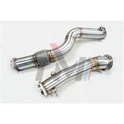
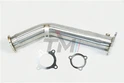
- RS7 C8 Downpipes: These downpipes are designed to replace the restrictive factory downpipes on your Audi RS7 C8. They offer a larger diameter and a smoother flow path, which can help to reduce backpressure and improve engine performance.
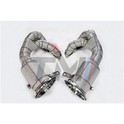
- AMG E63 W212 4Matic Downpipes: These downpipes are specifically designed for the Mercedes-Benz AMG E63 W212 4Matic. They are made from high-quality materials and offer a significant improvement in exhaust flow compared to the factory downpipes.
Contact Us for Your Exhaust System Needs
If you're interested in learning more about our exhaust system products or have any questions about backpressure, we'd love to hear from you. Our team of experts is always available to help you find the right products for your vehicle and your specific needs.
Whether you're a professional mechanic or a DIY enthusiast, we have the products and the knowledge to help you get the most out of your exhaust system. So, don't hesitate to reach out and start the conversation. We look forward to working with you!
References
- Heywood, J. B. (1988). Internal Combustion Engine Fundamentals. McGraw-Hill.
- Crolla, D. A. (2001). Vehicle Dynamics: Theory and Application. SAE International.
- Taylor, C. F. (1966). The Internal Combustion Engine in Theory and Practice. MIT Press.