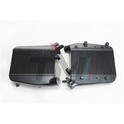
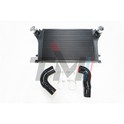
Hey there, fellow car enthusiasts! As an intercooler supplier, I've been getting a ton of questions lately about the difference between single - pass and dual - pass intercoolers. So, I thought I'd take the time to break it down for you in this blog post.
Let's start with the basics. An intercooler is a crucial component in a turbocharged or supercharged engine. Its main job is to cool down the compressed air coming from the turbo or supercharger before it enters the engine. Cooler air is denser, which means more oxygen can be packed into each cylinder. This results in a more efficient combustion process, leading to increased power and better fuel economy.
Single - Pass Intercoolers
A single - pass intercooler is, well, exactly what it sounds like. The compressed air makes one single pass through the intercooler core. It enters at one end and exits at the other. These intercoolers are relatively simple in design and are often the more affordable option.
One of the biggest advantages of a single - pass intercooler is its low pressure drop. Pressure drop refers to the loss of pressure as the air moves through the intercooler. Since the air only has to travel through the core once, there's less resistance, and the pressure drop is minimized. This means that the turbocharger or supercharger doesn't have to work as hard to push the air through the intercooler, which can lead to quicker spool - up times and better throttle response.
However, single - pass intercoolers aren't without their drawbacks. Because the air only passes through the core once, they may not be as effective at cooling the air as dual - pass intercoolers. This is especially true in high - performance applications where the engine is generating a lot of heat and the compressed air is extremely hot. In these situations, a single - pass intercooler may struggle to bring the air temperature down to an optimal level.
Dual - Pass Intercoolers
Now, let's talk about dual - pass intercoolers. In a dual - pass intercooler, the compressed air makes two passes through the intercooler core. It enters at one end, travels through part of the core, then makes a U - turn and travels back through another part of the core before exiting.
The main advantage of a dual - pass intercooler is its superior cooling efficiency. With two passes through the core, the air has more time to transfer heat to the intercooler fins and tubes. This results in a lower outlet air temperature compared to a single - pass intercooler. In high - performance engines, where every degree of cooling matters, a dual - pass intercooler can make a significant difference in power output and engine reliability.
But, like single - pass intercoolers, dual - pass intercoolers also have their downsides. The biggest one is the higher pressure drop. Since the air has to make two passes through the core, there's more resistance, and the pressure drop is greater. This means that the turbocharger or supercharger has to work harder to push the air through the intercooler, which can lead to slower spool - up times and reduced throttle response.
Which One Should You Choose?
So, which type of intercooler is right for you? Well, it really depends on your specific needs and driving style.
If you have a daily driver or a mild - performance car, a single - pass intercooler may be the way to go. It's more affordable, has a lower pressure drop, and can provide adequate cooling for most street - driven vehicles. Plus, the quicker spool - up times and better throttle response can make your car more fun to drive around town.
On the other hand, if you have a high - performance or race car, a dual - pass intercooler is probably a better choice. The superior cooling efficiency can help your engine run cooler and more efficiently, which can lead to increased power and better reliability. Just be aware that you may experience a slight decrease in throttle response due to the higher pressure drop.
Related Products
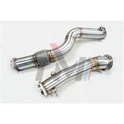
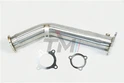
While we're on the topic of car performance parts, I'd like to mention a few other products that you might be interested in. If you're looking to improve the exhaust flow of your BMW, check out our N55 Downpipe. It's designed to reduce exhaust backpressure and increase horsepower.

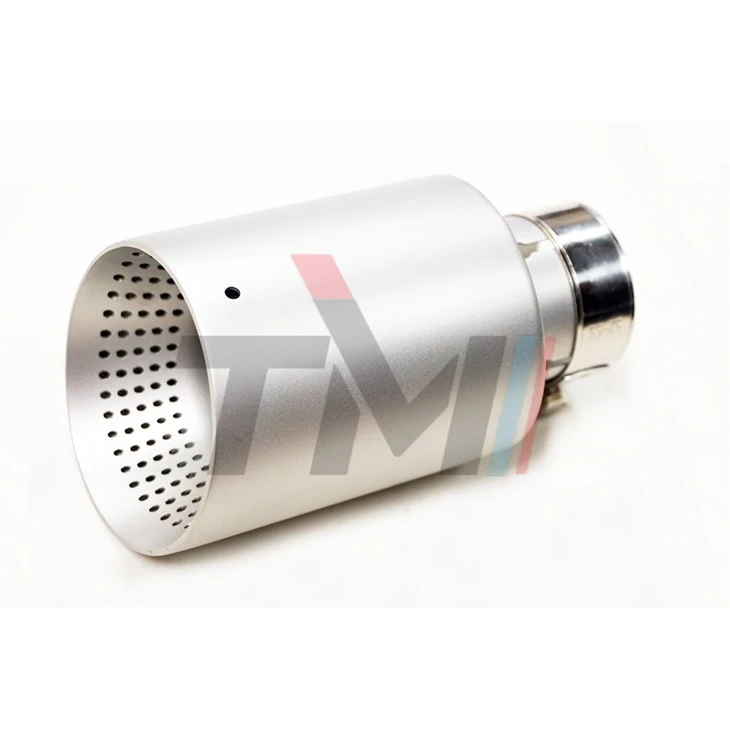
For Japanese cars, our 3 Inch Exhaust Tailpipe is a great option. It not only looks cool but also helps to improve the overall performance of your vehicle.
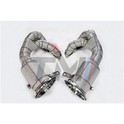
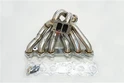
And if you're a Lamborghini owner, our Car Downpipe is a must - have. It's engineered to provide maximum exhaust flow and enhance the power of your supercar.
Let's Talk Business
If you're in the market for an intercooler or any of the other products I mentioned, I'd love to hear from you. As an intercooler supplier, I have a wide range of options to suit different needs and budgets. Whether you're a DIY enthusiast looking to upgrade your car or a professional mechanic working on a high - performance build, I can help you find the right parts for your project.
Just reach out to me, and we can start a conversation about your requirements. I'm here to provide you with the best products and the most knowledgeable advice to ensure that you get the most out of your vehicle.
References
- Smith, J. (2020). "The Science of Intercoolers." Car Performance Magazine.
- Johnson, M. (2021). "Single - Pass vs Dual - Pass Intercoolers: Which is Best?" Auto Enthusiast Journal.