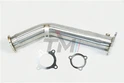
Yo, what's up everyone! I'm a supplier of B58 downpipes, and today I wanna talk about the impact of a B58 downpipe on the engine's emissions control system.
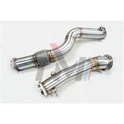
First off, let's get a basic understanding of what a B58 downpipe is. The B58 is a turbocharged straight - six engine produced by BMW. A downpipe is an essential part of the exhaust system that connects the turbocharger to the rest of the exhaust. It plays a crucial role in getting the exhaust gases out of the engine efficiently.
Now, let's dive into how it affects the emissions control system. The emissions control system in modern engines is designed to reduce harmful pollutants like carbon monoxide (CO), hydrocarbons (HC), and nitrogen oxides (NOx) before they are released into the atmosphere. It mainly consists of components such as the catalytic converter, oxygen sensors, and the engine control unit (ECU).
Positive Impacts on Emissions Control
One of the potential positive impacts of a high - quality B58 downpipe is improved exhaust flow. When the exhaust gases can flow more freely through the downpipe, the turbocharger can spool up faster. This means the engine can operate more efficiently. An efficient engine burns fuel more completely, which in theory can lead to a reduction in unburned hydrocarbons and carbon monoxide emissions.
For example, if the stock downpipe has a small diameter or is restrictive due to its design, it can create back - pressure. Back - pressure makes it harder for the engine to expel exhaust gases, and this can cause incomplete combustion. A well - designed B58 downpipe eliminates this back - pressure, allowing the engine to breathe better. As a result, the catalytic converter can work more effectively because it receives a more consistent flow of exhaust gases at the right temperature and composition.


Negative Impacts on Emissions Control
However, there are also some negative aspects to consider. Many aftermarket B58 downpipes are designed without a catalytic converter or with a high - flow catalytic converter. The catalytic converter is the heart of the emissions control system. It uses precious metals like platinum, palladium, and rhodium to convert harmful pollutants into less harmful substances.
If you install a downpipe without a catalytic converter, it can significantly increase the amount of pollutants released into the environment. Hydrocarbons, carbon monoxide, and nitrogen oxides will pass through the exhaust system without being properly treated. This is a major issue, especially in areas with strict emissions regulations.
Another problem is that the engine control unit (ECU) is calibrated to work with the stock emissions control system. When you install a different downpipe, especially one that changes the exhaust flow and composition significantly, the ECU may not be able to adjust properly. The oxygen sensors, which monitor the amount of oxygen in the exhaust gases and send signals to the ECU, may give inaccurate readings. This can lead to the engine running too rich or too lean, which not only affects emissions but also engine performance and fuel economy.
Compatibility with Other Exhaust Components
It's also important to consider how the B58 downpipe works with other exhaust components. For instance, if you pair a high - flow B58 downpipe with a Cat Back Dual Exhaust System, you need to make sure they are compatible. A cat - back exhaust system includes the exhaust pipes from the catalytic converter to the tailpipe. If the downpipe and the cat - back system have different diameters or flow characteristics, it can disrupt the overall exhaust flow and affect the emissions control system.
Different Types of B58 Downpipes and Their Impact
There are various types of B58 downpipes available in the market. Some are designed for maximum performance, while others try to balance performance and emissions.
High - Performance Downpipes
High - performance downpipes usually have a larger diameter and are often made of high - quality materials like stainless steel. They are designed to reduce back - pressure to a minimum. However, as mentioned earlier, many of these high - performance downpipes come without a catalytic converter or with a very high - flow one. This can lead to increased emissions. For example, a F82 M4 Downpipe is a high - performance option, but if it's not properly configured with the emissions control system, it can cause problems.
Emissions - Friendly Downpipes
On the other hand, emissions - friendly downpipes are designed to maintain or improve the performance of the emissions control system. These downpipes usually have a catalytic converter that meets or exceeds the original equipment manufacturer (OEM) standards. They may not offer as much of a performance boost as the high - performance ones, but they are a better choice for those who want to comply with emissions regulations.
Case Studies and Real - World Examples
Let's look at some real - world examples. There have been cases where car owners installed high - performance B58 downpipes without considering the emissions implications. Some of them failed emissions tests because of the increased levels of pollutants in their exhaust. In contrast, those who installed emissions - friendly downpipes were able to pass the tests while still enjoying a slight performance improvement.
One study showed that a car with a stock B58 downpipe had a certain level of NOx emissions. After installing a high - performance downpipe without a catalytic converter, the NOx emissions increased by almost 50%. This is a significant increase and can have a negative impact on air quality.
Legal and Regulatory Considerations
It's crucial to understand the legal and regulatory aspects when it comes to installing a B58 downpipe. In many countries and states, it is illegal to install an aftermarket downpipe that bypasses or reduces the effectiveness of the emissions control system. If you get caught with a non - compliant downpipe, you may face hefty fines or even have your vehicle impounded.
Before you decide to install a B58 downpipe, make sure you check the local laws and regulations. Some areas allow for the installation of emissions - friendly aftermarket parts, while others have very strict rules.
Conclusion
In conclusion, a B58 downpipe can have both positive and negative impacts on the engine's emissions control system. While it can improve exhaust flow and potentially enhance engine efficiency, it can also lead to increased emissions if not properly designed or installed.
As a B58 downpipe supplier, I understand the importance of providing products that balance performance and emissions control. We offer a range of downpipes, from high - performance options for enthusiasts who are willing to deal with the emissions implications in a legal way (such as in a track - only vehicle) to emissions - friendly downpipes for those who need to comply with regulations.
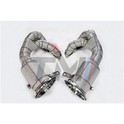
If you're interested in purchasing a B58 downpipe or have any questions about how a downpipe will affect your vehicle's emissions control system, feel free to reach out. We're here to help you make an informed decision and find the right product for your needs. Whether you're looking for a G63 W463 Heat Shield Downpipes or a B58 downpipe, we've got you covered. Contact us for more details and let's start a great business relationship!
References
- Heywood, J. B. (1988). Internal Combustion Engine Fundamentals. McGraw - Hill.
- Bosch Automotive Handbook (7th Edition). Robert Bosch GmbH.
- Society of Automotive Engineers (SAE) technical papers related to exhaust system design and emissions control.