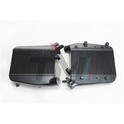
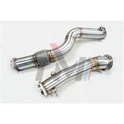
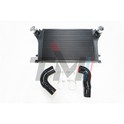
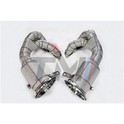
In the realm of automotive performance, two components stand out for their crucial roles in enhancing engine efficiency and power: the charge pipe and the intercooler. As a charge pipe supplier, I've witnessed firsthand the symbiotic relationship between these two parts and how they work in tandem to optimize engine performance. This blog post will delve into the intricacies of this relationship, exploring how charge pipes and intercoolers function together to deliver a more powerful and efficient driving experience.
Understanding the Basics: Charge Pipes and Intercoolers
Before we explore their relationship, let's first understand what charge pipes and intercoolers are and what they do.
A charge pipe is a crucial component in a turbocharged or supercharged engine system. It serves as a conduit for the compressed air (charge air) that is produced by the turbocharger or supercharger. After the air is compressed, it becomes hot and less dense. The charge pipe transports this compressed air from the turbocharger or supercharger to the intercooler or directly to the engine's intake manifold, depending on the system design.
On the other hand, an intercooler is a heat exchanger that cools the compressed air before it enters the engine. Cooling the compressed air increases its density, which allows more oxygen to be packed into each combustion chamber. Since combustion is a chemical reaction between fuel and oxygen, more oxygen means more fuel can be burned, resulting in increased power output. Additionally, cooler air reduces the risk of engine knocking, which can damage the engine and reduce performance.
The Relationship: A Cycle of Optimization
The relationship between a charge pipe and an intercooler is one of continuous optimization. The charge pipe is responsible for delivering the compressed air from the turbocharger or supercharger to the intercooler. The quality and design of the charge pipe play a significant role in this process. A well-designed charge pipe will minimize pressure drop, which ensures that the maximum amount of compressed air reaches the intercooler. Pressure drop occurs when the air encounters resistance as it flows through the pipe, which can reduce the efficiency of the system.
Once the compressed air reaches the intercooler, the intercooler works its magic. It removes heat from the compressed air, increasing its density. The cooled and denser air then flows back through another charge pipe (in some systems) or directly into the engine's intake manifold. This second charge pipe, like the first, must be designed to minimize pressure drop to ensure that the cooled, dense air reaches the engine efficiently.
The efficiency of the intercooler directly affects the performance of the engine. A more efficient intercooler can cool the compressed air to a lower temperature, resulting in a higher air density and more power. However, the performance of the intercooler is also dependent on the proper functioning of the charge pipes. If the charge pipes are not designed correctly or are damaged, they can cause a significant pressure drop, which can reduce the amount of air that reaches the intercooler and ultimately the engine.
The Impact of Charge Pipe Design on Intercooler Performance
The design of the charge pipe can have a profound impact on the performance of the intercooler. There are several factors to consider when designing a charge pipe, including diameter, length, and bends.
The diameter of the charge pipe is crucial. If the diameter is too small, it can restrict the flow of compressed air, causing a significant pressure drop. On the other hand, if the diameter is too large, the air velocity can decrease, which can also reduce the efficiency of the system. A properly sized charge pipe will balance these factors to ensure optimal air flow.
The length of the charge pipe also matters. A longer charge pipe will have more surface area, which can increase heat transfer from the surrounding environment to the compressed air. This can reduce the effectiveness of the intercooler. Additionally, a longer pipe can increase the pressure drop due to increased friction. Therefore, the charge pipe should be as short as possible without compromising the overall design of the system.
Bends in the charge pipe can also cause pressure drop. Sharp bends can disrupt the flow of air, creating turbulence and increasing resistance. Smooth, gradual bends are preferred to minimize pressure drop and ensure a smooth flow of air.
Real-World Applications and Benefits
To illustrate the importance of the relationship between charge pipes and intercoolers, let's look at some real-world applications. In high-performance vehicles, such as sports cars and racing cars, the combination of well-designed charge pipes and intercoolers can significantly enhance engine performance. For example, in a turbocharged engine, a high-quality charge pipe can ensure that the compressed air is delivered to the intercooler efficiently, while a large and efficient intercooler can cool the air to a very low temperature. This results in a significant increase in power output and improved throttle response.
In addition to performance gains, the combination of charge pipes and intercoolers can also improve fuel efficiency. By increasing the density of the air entering the engine, more fuel can be burned more efficiently, which can reduce fuel consumption. This is especially important in today's automotive industry, where fuel efficiency is a major concern.
The Role of Quality Components
As a charge pipe supplier, I understand the importance of providing high-quality components. A poorly designed or manufactured charge pipe can have a negative impact on the performance of the intercooler and the engine as a whole. That's why we use only the best materials and manufacturing processes to ensure that our charge pipes meet the highest standards of quality and performance.
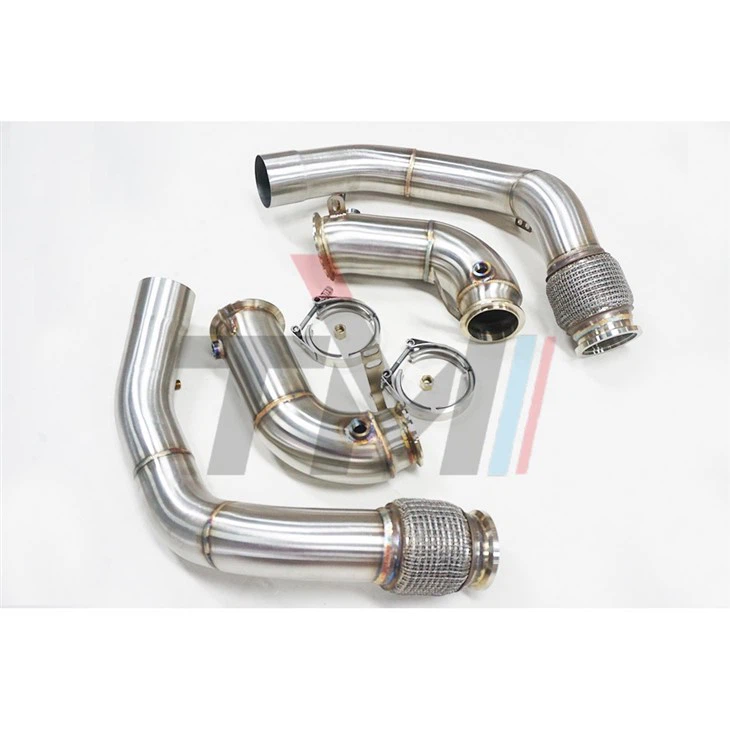
For example, we offer a range of charge pipes for different vehicles, including F96 X6M S63 Downpipes, AMG C63 W204 Headers, and Audi S4 S5 Headers. These charge pipes are designed to minimize pressure drop, resist corrosion, and withstand the high temperatures and pressures of a turbocharged or supercharged engine.

Conclusion: A Partnership for Performance
In conclusion, the relationship between a charge pipe and an intercooler is one of mutual dependence and optimization. The charge pipe delivers the compressed air to the intercooler, while the intercooler cools the air to increase its density. The quality and design of the charge pipe play a crucial role in ensuring that the intercooler can function effectively. By working together, these two components can significantly enhance engine performance, improve fuel efficiency, and reduce the risk of engine damage.
If you're looking to upgrade your vehicle's performance, consider investing in high-quality charge pipes and intercoolers. As a charge pipe supplier, we're committed to providing the best products and services to help you achieve your performance goals. Whether you're a professional racer or a car enthusiast, we can help you find the right charge pipes for your vehicle. Contact us today to start the conversation about how we can enhance your vehicle's performance.
References
- Bosch, Automotive Handbook, 7th Edition.
- Heywood, John B., Internal Combustion Engine Fundamentals.
- Society of Automotive Engineers (SAE) publications on turbocharging and intercooling systems.