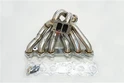
Hey there, fellow car enthusiasts! As a supplier of RS4 B9 downpipes, I've gotten a ton of questions about the best heat wraps for these bad boys. So, I thought I'd share my insights and help you make an informed decision.
First off, let's talk about why heat wraps are important for your RS4 B9 downpipe. When your engine is running, the exhaust gases flowing through the downpipe can get super hot. This heat can cause a few issues. For one, it can transfer to other parts of your engine bay, potentially causing damage to sensitive components. It can also lead to heat soak, which can reduce the performance of your engine. A good heat wrap helps to contain the heat within the downpipe, keeping your engine bay cooler and improving overall performance.


Now, let's dive into the different types of heat wraps available.
Fiberglass Heat Wraps
Fiberglass heat wraps are one of the most common types out there. They're relatively affordable and offer decent heat insulation. Fiberglass wraps work by trapping the heat inside the wrap, preventing it from radiating out into the engine bay. They're also easy to install, which is a big plus for DIYers.
One of the drawbacks of fiberglass heat wraps is that they can be a bit messy to work with. The fiberglass fibers can break off and irritate your skin and lungs, so it's important to wear protective gear when installing them. Also, over time, fiberglass wraps can degrade, especially if they're exposed to high temperatures and moisture.
Ceramic Heat Wraps
Ceramic heat wraps are a step up from fiberglass wraps in terms of performance. They offer better heat insulation, which means they can keep more heat inside the downpipe and away from your engine bay. Ceramic wraps are also more durable than fiberglass wraps, making them a great long-term investment.
These wraps are made with ceramic fibers that are designed to withstand high temperatures. They're also resistant to moisture and chemicals, which means they won't degrade as quickly as fiberglass wraps. However, ceramic heat wraps are more expensive than fiberglass wraps, so they might not be the best option if you're on a budget.
Titanium Heat Wraps
Titanium heat wraps are the top-of-the-line option when it comes to heat insulation. They offer the best performance and durability, but they also come with a hefty price tag. Titanium wraps are made with titanium fibers that are extremely heat-resistant and lightweight.
One of the benefits of titanium heat wraps is that they can reduce exhaust gas temperatures by a significant amount. This can lead to improved engine performance and fuel efficiency. They're also very easy to install and look great under the hood. However, because of their high cost, titanium heat wraps are usually only used by serious car enthusiasts and professional racers.
Which Type of Heat Wrap is Best for Your RS4 B9 Downpipe?
So, which type of heat wrap should you choose for your RS4 B9 downpipe? Well, it depends on your budget, your performance goals, and your personal preferences.
If you're on a tight budget and just want to get some basic heat insulation, a fiberglass heat wrap might be the way to go. It's affordable and easy to install, and it'll do a decent job of keeping the heat in the downpipe.
If you're looking for better performance and durability, a ceramic heat wrap is a great option. It offers better heat insulation than fiberglass wraps and is more resistant to degradation. It's a bit more expensive, but it's worth the investment if you want to get the most out of your RS4 B9 downpipe.
If you're a serious car enthusiast or a professional racer and money is no object, a titanium heat wrap is the way to go. It offers the best performance and durability, and it'll make your engine bay look awesome.
Other Considerations
When choosing a heat wrap for your RS4 B9 downpipe, there are a few other things to keep in mind. First, make sure you choose a wrap that's the right size for your downpipe. A wrap that's too small won't provide adequate insulation, while a wrap that's too large will be difficult to install and might not look good.
Second, consider the color of the heat wrap. While the color doesn't affect the performance of the wrap, it can make a big difference in the appearance of your engine bay. You can choose from a variety of colors, including black, silver, and gold.
Finally, make sure you follow the manufacturer's instructions when installing the heat wrap. Improper installation can reduce the effectiveness of the wrap and even cause damage to your downpipe.
Related Products
If you're interested in other exhaust-related products, check out our 5 Inch Exhaust Tail Pipe, R35 GTR Heat Shield Catted Downpipes, and G63 W463 Heat Shield Downpipes. These products are designed to improve the performance and appearance of your car's exhaust system.
Conclusion
Choosing the right heat wrap for your RS4 B9 downpipe is an important decision. It can have a big impact on the performance and longevity of your engine. Whether you choose a fiberglass, ceramic, or titanium heat wrap, make sure you do your research and choose a product that's right for your needs and budget.
If you have any questions or need help choosing the right heat wrap for your RS4 B9 downpipe, don't hesitate to reach out. We're here to help you get the most out of your car. Contact us to start a procurement discussion and take your RS4 B9 to the next level!
References
- Heat Wrap Basics: Understanding the Different Types and Their Benefits. Car Enthusiast Magazine.
- Performance Upgrades for Your RS4 B9. Auto Performance Journal.
- The Science of Heat Insulation in Exhaust Systems. Automotive Engineering Review.