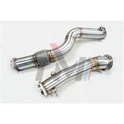
Alright, folks! As a charge pipe supplier, I get asked all the time, “Which material is the best for a charge pipe?” It’s a question that doesn’t have a one - size - fits - all answer, but I’m here to break it down for you.
Aluminum Charge Pipes
Let's start with aluminum. Aluminum is like the go - to material for a lot of charge pipes out there, and for good reasons. First off, it's lightweight. In the world of performance cars, every pound matters. A lighter charge pipe means less weight for your engine to lug around, which can potentially lead to better acceleration and fuel efficiency.
Aluminum is also highly resistant to corrosion. You don't have to worry about it rusting away over time, especially if you're driving in areas with harsh weather conditions or near the coast where salt in the air can be a real enemy to metal components.
Another great thing about aluminum is its heat dissipation properties. Charge pipes deal with hot compressed air from the turbocharger. Aluminum can quickly transfer that heat away, keeping the air inside the pipe cooler. Cooler air is denser, and denser air means more oxygen for the engine, which can result in more power.
However, aluminum isn't perfect. It can be a bit more expensive to manufacture compared to some other materials. And while it's strong, it can be dented relatively easily if it gets hit by something on the road, like a rock.
Stainless Steel Charge Pipes
Next up is stainless steel. Stainless steel charge pipes are known for their durability. They're tough as nails, and it would take a lot to damage them. If you're the kind of driver who takes your car off - road or through rough terrain, stainless steel might be the way to go.
Stainless steel also has excellent corrosion resistance, even better than aluminum in some cases. It can withstand all sorts of chemicals and environmental factors without getting rusty or corroded.
In terms of strength, stainless steel can handle high pressure better than aluminum. This is important because the charge pipe has to deal with the high - pressure air coming from the turbocharger. A stronger pipe means less chance of it bursting or leaking under extreme conditions.
But there are some downsides. Stainless steel is heavier than aluminum. That extra weight can have a negative impact on your car's performance, especially in terms of acceleration and handling. And it's not as good at dissipating heat as aluminum. So, the air inside the pipe might stay a bit warmer, which isn't ideal for maximum power output.
Plastic Charge Pipes
Plastic charge pipes are often the stock option in many cars. They're cheap to produce, which is why manufacturers like to use them. Plastic is also lightweight, which helps with fuel economy.
One of the advantages of plastic is its flexibility. It can be molded into complex shapes more easily than metal, which allows for better routing of the charge pipe in the engine bay. This can be beneficial for fitting the pipe in tight spaces.
However, plastic has its limitations. It's not as strong as metal. High - pressure air from the turbocharger can cause plastic charge pipes to crack or burst over time. And it's not very heat - resistant. The hot compressed air can cause the plastic to warp or degrade, leading to leaks.


Carbon Fiber Charge Pipes
Carbon fiber is the high - end option in the world of charge pipes. It's incredibly lightweight, even lighter than aluminum. This can have a huge impact on your car's performance, especially if you're into racing or high - performance driving.
Carbon fiber is also extremely strong. It has a high strength - to - weight ratio, which means it can handle a lot of stress without adding much weight. It's also resistant to corrosion and can withstand high temperatures.
The look of carbon fiber is another selling point. It gives your engine bay a high - tech, race - ready appearance.
But, as you might expect, carbon fiber comes with a high price tag. It's expensive to produce, and that cost is passed on to the consumer.
How to Choose the Right Material
So, how do you decide which material is the best for your charge pipe? Well, it depends on your needs and budget.
If you're on a tight budget and just want a basic upgrade from the stock plastic charge pipe, aluminum is a great option. It offers a good balance of performance, durability, and cost.
If you need a pipe that can handle extreme conditions, like off - road driving or high - pressure turbo setups, stainless steel might be the way to go.
If you're all about looks and ultimate performance and money is no object, carbon fiber is the top choice.
As a charge pipe supplier, I've seen firsthand how different materials can affect a car's performance. Whether you're looking for an AMG GT43 Downpipe, a TAIMEI 2016+ BMW B58 3.0L Engine 140i/240i/340i/440i Cold Air Intake System, or a BMW B58 GEN2 CNC INTAKE MANIFOLD, we've got you covered.
If you're interested in purchasing charge pipes or have any questions about which material is best for your specific vehicle, don't hesitate to reach out. We're here to help you make the right choice and get the best performance out of your car.
References
- Automotive Engineering Handbook: Covers general knowledge about automotive components and materials.
- Performance Car Magazine: Has articles on different aftermarket parts and materials used in high - performance vehicles.