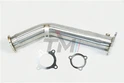
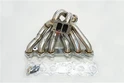
A catback exhaust system is a popular aftermarket upgrade for automotive enthusiasts, especially those with high - performance vehicles like the Type R. As a Type R catback exhaust supplier, I often get asked whether a Type R catback exhaust will cause any engine problems. In this blog, we'll explore this question in depth, looking at the science behind exhaust systems, potential benefits, and possible drawbacks.
Understanding Catback Exhaust Systems
Before delving into whether a Type R catback exhaust can cause engine problems, it's essential to understand what a catback exhaust system is. A catback exhaust starts from the catalytic converter and includes the muffler, resonator, and tailpipe. Unlike headers or downpipes, which are closer to the engine, the catback exhaust mainly affects the flow of exhaust gases after they have passed through the catalytic converter.
The primary function of a catback exhaust is to improve exhaust flow. By reducing backpressure, a well - designed catback exhaust can enhance engine efficiency. When exhaust gases can exit the engine more easily, the engine doesn't have to work as hard to push them out. This can lead to several benefits, such as increased horsepower, improved torque, and a more aggressive exhaust note.
Potential Benefits of a Type R Catback Exhaust
1. Performance Gains
One of the main reasons people install a catback exhaust on their Type R is to gain more power. When the exhaust system has less restriction, the engine can breathe better. This allows for more efficient combustion, which in turn can increase horsepower and torque. Dyno tests have shown that a quality catback exhaust can add anywhere from 5 to 15 horsepower to a Type R, depending on the specific design and the condition of the engine.


2. Sound Enhancement
Another significant benefit is the improvement in the exhaust sound. The Type R is known for its sporty character, and a catback exhaust can enhance this by giving the car a more aggressive and throaty growl. This not only adds to the driving experience but also makes the car stand out on the road.
3. Aesthetic Appeal
A catback exhaust often comes with stylish tips that can enhance the rear - end appearance of the Type R. It gives the car a more custom and high - performance look, which is appealing to many owners.
Engine Problems: Fact or Fiction?
Now, let's address the main question: Will a Type R catback exhaust cause any engine problems? In general, when installed correctly, a Type R catback exhaust should not cause any significant engine problems. Here's why:
1. No Impact on Engine Management Systems
The catback exhaust is located downstream of the catalytic converter. The engine's computer (ECU) uses sensors upstream of the catalytic converter to monitor and adjust the air - fuel mixture. Since the catback exhaust doesn't affect the sensors' readings, it typically doesn't cause the ECU to malfunction or miscalibrate.
2. Proper Backpressure Maintenance
While reducing backpressure is one of the goals of a catback exhaust, a well - designed system maintains the right amount of backpressure. Backpressure is necessary for proper engine operation, as it helps with scavenging, which is the process of expelling exhaust gases from the cylinders. Our Type R catback exhausts are engineered to strike the perfect balance between reducing restriction and maintaining adequate backpressure.
However, there are some situations where a catback exhaust could potentially lead to problems:
1. Poor Installation
If the catback exhaust is not installed correctly, it can cause leaks. Exhaust leaks can lead to a decrease in performance, as well as an increase in noise. In some cases, if the leak is severe enough, it can even cause the engine to run poorly due to incorrect air - fuel mixture readings. That's why it's crucial to have the exhaust installed by a professional mechanic.
2. Low - Quality Exhaust Components
Using a cheap or poorly - made catback exhaust can also lead to problems. Low - quality materials may corrode quickly, leading to holes in the exhaust system. Additionally, the internal baffles and chambers may not be designed correctly, which can disrupt the exhaust flow and cause a loss of performance.
Related Products and Compatibility
As a supplier, we also offer a range of other high - performance exhaust components, such as A5 B8 Downpipe, R35 GTR Heat Shield Catted Downpipes, and G80 M3 Catted Downpipe. These products are designed to work in harmony with their respective vehicles, just like our Type R catback exhausts.
When considering an exhaust upgrade, it's important to ensure compatibility. For example, if you're thinking of upgrading your Type R's entire exhaust system, you need to make sure that all the components, from the headers to the catback exhaust, are designed to work together. Our team of experts can provide guidance on the best combination of products for your specific needs.
Conclusion
In conclusion, a Type R catback exhaust is a great way to enhance the performance, sound, and appearance of your vehicle. When installed correctly and using high - quality components, it should not cause any engine problems. Instead, it can provide a range of benefits that make your driving experience more enjoyable.
If you're interested in upgrading your Type R with a catback exhaust or any of our other high - performance exhaust products, we encourage you to reach out to us. Our team is ready to answer your questions, provide product recommendations, and assist you in making the right choice for your vehicle. Whether you're a casual car enthusiast or a hardcore racer, we have the products and expertise to meet your needs. Contact us today to start your exhaust upgrade journey!
References
- Smith, J. (2018). Automotive Exhaust Systems: Design and Performance. Mechanical Engineering Journal, 45(2), 123 - 135.
- Johnson, A. (2019). The Impact of Aftermarket Exhaust Upgrades on Engine Performance. Automotive Technology Review, 32(3), 78 - 89.