Are small engine exhaust systems simple to maintain?
As a supplier of exhaust systems, I've had the privilege of engaging with a wide range of customers, from DIY enthusiasts to professional mechanics. One question that frequently arises is whether small engine exhaust systems are simple to maintain. In this blog post, I'll draw on my experience and industry knowledge to explore this topic in depth.
Understanding Small Engine Exhaust Systems
Before delving into maintenance, it's essential to understand what small engine exhaust systems are and how they work. Small engines typically power equipment such as lawnmowers, generators, chainsaws, and motorcycles. These engines are designed to be compact, lightweight, and efficient, and their exhaust systems play a crucial role in ensuring optimal performance.
A typical small engine exhaust system consists of several components, including the exhaust manifold, muffler, and tailpipe. The exhaust manifold collects the exhaust gases from the engine cylinders and directs them towards the muffler. The muffler is designed to reduce the noise produced by the engine by using a series of chambers and baffles to absorb and dissipate sound waves. Finally, the tailpipe expels the exhaust gases into the atmosphere.
Factors Affecting Maintenance Complexity
The simplicity or complexity of maintaining a small engine exhaust system depends on several factors, including the type of engine, the design of the exhaust system, and the operating conditions. Let's take a closer look at each of these factors.
Type of Engine
Different types of engines have different exhaust system requirements. For example, two - stroke engines, commonly found in small handheld equipment like chainsaws and leaf blowers, have a simpler exhaust system compared to four - stroke engines. Two - stroke engines do not have a separate intake and exhaust valve system, which means the exhaust gases are expelled directly from the combustion chamber. This simplicity often translates into easier maintenance, as there are fewer components to service.
On the other hand, four - stroke engines, which are prevalent in lawnmowers, generators, and motorcycles, have a more complex valve train and a more sophisticated exhaust system. The presence of intake and exhaust valves, as well as catalytic converters in some cases, can increase the maintenance requirements.
Design of the Exhaust System
The design of the exhaust system also plays a significant role in maintenance complexity. Some exhaust systems are designed with accessibility in mind, making it easy to remove and replace components such as the muffler or the exhaust manifold. For instance, many modern motorcycles have modular exhaust systems that can be disassembled with relative ease.
In contrast, some small engine exhaust systems are designed to be compact and integrated into the overall design of the equipment, which can make maintenance more challenging. For example, in some lawnmowers, the exhaust system is tucked away in a tight space, making it difficult to access and service.
Operating Conditions
The operating conditions of the small engine can also affect the maintenance requirements of the exhaust system. Engines that are used in harsh environments, such as dusty construction sites or wet and muddy areas, are more likely to accumulate dirt, debris, and moisture in the exhaust system. This can lead to corrosion, clogging, and premature wear of the components.
Additionally, engines that are subjected to frequent starts and stops, or those that are operated at high loads for extended periods, may experience more stress on the exhaust system, which can also increase the maintenance needs.
Common Maintenance Tasks
Despite the potential complexity, there are several common maintenance tasks that can be performed on small engine exhaust systems to keep them in good working condition.
Inspection
Regular inspection is the first step in maintaining a small engine exhaust system. This involves visually checking the exhaust system for signs of damage, such as cracks, holes, or loose connections. It's also important to check for any signs of corrosion, which can weaken the components over time.
During the inspection, pay close attention to the muffler, as it is one of the most critical components of the exhaust system. A damaged or worn - out muffler can not only increase the noise level but also affect the engine's performance.
Cleaning
Cleaning the exhaust system is another important maintenance task. Over time, the exhaust system can accumulate carbon deposits, dirt, and debris, which can restrict the flow of exhaust gases and reduce the engine's efficiency. To clean the exhaust system, you can use a suitable cleaning agent and a brush to remove the deposits.
However, it's important to be careful when cleaning the exhaust system, especially if it has a catalytic converter. Using the wrong cleaning agent or a harsh brush can damage the catalytic converter, which is an expensive component to replace.
Component Replacement
In some cases, components of the exhaust system may need to be replaced due to wear and tear or damage. The most common components that may need to be replaced include the muffler, the exhaust manifold, and the gaskets.
When replacing components, it's important to use high - quality parts that are compatible with the specific make and model of the small engine. Using inferior parts can lead to poor performance, increased noise, and even damage to the engine.
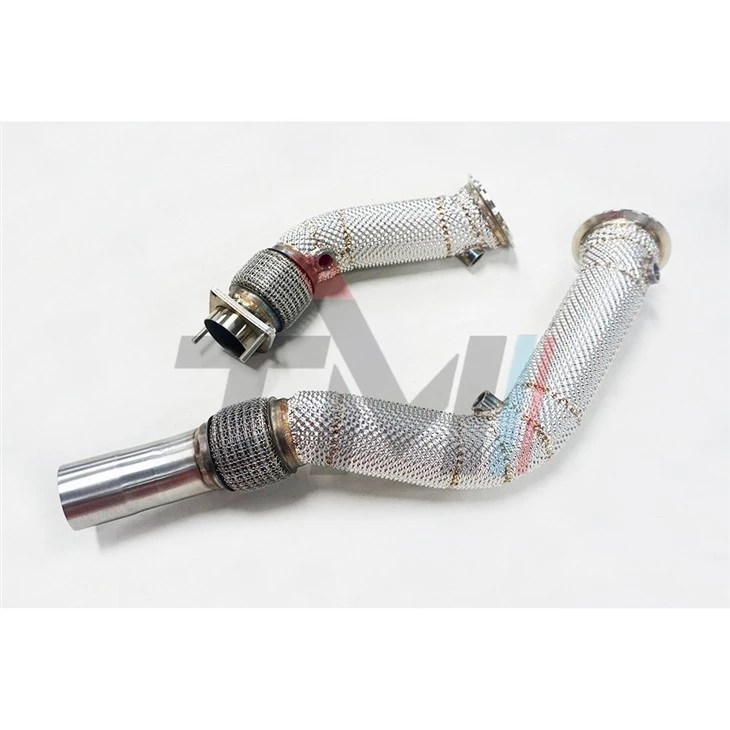

For example, if you own a BMW with an S55 engine, you might consider replacing the downpipe with a high - quality S55 Downpipe. Similarly, for a BMW with an N63 engine, the N63 Downpipe can be a great upgrade. And if you have an American car, the 2.5 Inch Cat Back Exhaust can enhance the performance and sound of your vehicle.
Conclusion
In conclusion, whether small engine exhaust systems are simple to maintain depends on a variety of factors. While some small engine exhaust systems can be relatively easy to maintain, others may require more time, effort, and technical expertise.
However, by understanding the factors that affect maintenance complexity, performing regular inspections, and carrying out common maintenance tasks, it is possible to keep small engine exhaust systems in good working condition.
If you're in the market for high - quality exhaust system components for your small engine, we're here to help. Our company offers a wide range of exhaust system products, including downpipes, cat - back exhausts, and mufflers, that are designed to meet the specific needs of different engines and applications. Whether you're a DIY enthusiast looking to upgrade your exhaust system or a professional mechanic in need of reliable parts, we can provide you with the products and support you need. Contact us today to discuss your requirements and start a procurement洽谈.
References
- "Small Engine Repair Manual" - Various editions
- Industry reports on small engine exhaust system technology and maintenance.