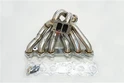
Hey there! As a downpipe supplier, I often get asked if there are any regulations for downpipe installation. Well, the answer is a bit of a mixed bag, and it really depends on where you're located and what type of vehicle you've got.
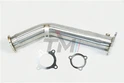
Let's start by talking about why regulations exist in the first place. Downpipes play a crucial role in a vehicle's exhaust system. They connect the exhaust manifold to the rest of the exhaust, allowing the engine to expel gases efficiently. However, if not installed correctly or if the wrong type of downpipe is used, it can lead to increased emissions, noise pollution, and even affect a vehicle's performance negatively.
Emission Regulations
One of the major factors when it comes to downpipe installation regulations is emissions. In many countries and states, there are strict laws regarding the amount of pollutants a vehicle can emit. For instance, in the United States, the Environmental Protection Agency (EPA) has set standards to control emissions of harmful gases like carbon monoxide, nitrogen oxides, and particulate matter.
If you're thinking about installing a downpipe on your vehicle, you need to make sure it complies with these emission standards. Some aftermarket downpipes are designed to be "cat - less," meaning they don't have a catalytic converter. Catalytic converters are devices that help reduce emissions by converting harmful gases into less harmful ones. Using a cat - less downpipe can significantly increase emissions, and in many places, it's illegal.
For example, in California, it's against the law to install any aftermarket part that modifies the vehicle's emission control system without proper certification. This includes downpipes. So, if you're in California and you want to install a new downpipe, you need to look for one that is CARB (California Air Resources Board) certified. CARB certification means that the downpipe has been tested and meets the state's strict emission standards.
Noise Regulations
Another aspect of downpipe installation regulations is noise. A properly functioning exhaust system should keep the noise levels within acceptable limits. When you install a new downpipe, it can sometimes change the sound of the exhaust. If the new downpipe makes the vehicle too loud, it can violate local noise ordinances.
Different areas have different noise limits. In residential areas, the limits are usually lower to prevent noise pollution. If your vehicle is too loud, you could get fined. Some aftermarket downpipes are designed to produce a more aggressive sound, but you need to make sure it still complies with the local noise regulations.
Vehicle - Specific Regulations
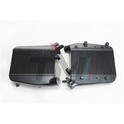
The regulations for downpipe installation can also vary depending on the type of vehicle. For example, high - performance cars like the G80 M3 Midpipe may have different requirements compared to regular passenger cars. High - performance vehicles often have more complex exhaust systems, and any modifications need to be carefully considered to ensure they don't void the vehicle's warranty or violate any manufacturer's guidelines.
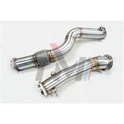
Similarly, for Japanese cars like the R35 GTR Downpipes, the regulations may be influenced by the country's original design standards. Japanese vehicles are known for their precision engineering, and any changes to the exhaust system need to be made with caution.
Legal Considerations for Installation
When it comes to actually installing a downpipe, there are some legal considerations. In many places, it's recommended or even required to have the installation done by a certified mechanic. A certified mechanic has the knowledge and experience to ensure that the downpipe is installed correctly and that it complies with all the relevant regulations.
If you try to install the downpipe yourself and it's not done properly, it could lead to problems. For example, a poorly installed downpipe could cause exhaust leaks, which not only increase emissions but can also be a safety hazard. Additionally, if the installation is not up to code, you could face legal issues if you're ever pulled over and your vehicle is inspected.


Benefits of Complying with Regulations
While it may seem like a hassle to comply with all these regulations, there are actually some benefits. First of all, complying with emission regulations helps protect the environment. By reducing the amount of harmful pollutants released into the air, we can contribute to a cleaner and healthier planet.
Secondly, complying with noise regulations makes for a more pleasant living environment. No one wants to be disturbed by a loud vehicle constantly driving by. And finally, following the regulations ensures that your vehicle remains in good working condition and doesn't void your warranty.
Our Downpipe Offerings
As a downpipe supplier, we understand the importance of regulations. That's why we offer a wide range of downpipes that are designed to comply with different regulations. Whether you're looking for a downpipe for a high - performance car like the G80 M3 Midpipe or a more standard vehicle, we've got you covered.
We also offer Catback Muffler options that work in conjunction with our downpipes to provide a complete exhaust system solution. Our products are made from high - quality materials and are designed to improve your vehicle's performance while still meeting all the necessary regulations.
Contact Us for Purchasing
If you're interested in purchasing a downpipe or have any questions about our products and how they comply with regulations, don't hesitate to reach out. We're here to help you make the right choice for your vehicle. Whether you're a car enthusiast looking to upgrade your vehicle's performance or a mechanic looking for reliable parts, we can provide you with the information and products you need.
References
- Environmental Protection Agency (EPA) - Information on vehicle emission standards
- California Air Resources Board (CARB) - Regulations regarding vehicle emission control systems
- Local government websites - Information on noise ordinances and vehicle modification regulations