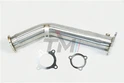
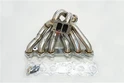
A charge pipe is a crucial component in a turbocharged or supercharged engine system, responsible for transporting compressed air from the turbocharger or supercharger to the intake manifold. As a charge pipe supplier, I often get asked whether a charge pipe can fail suddenly. In this blog post, I'll delve into the factors that can lead to sudden charge pipe failure, the signs to look out for, and how to prevent such issues.
Understanding the Charge Pipe's Function
Before we discuss the potential for sudden failure, it's important to understand the role of a charge pipe. When an engine is turbocharged or supercharged, the air intake is compressed to increase the amount of oxygen available for combustion. This compressed air is hot and needs to be cooled by an intercooler before entering the intake manifold. The charge pipe connects the turbocharger or supercharger to the intercooler and then from the intercooler to the intake manifold. It must withstand high pressures and temperatures while maintaining a consistent airflow.
Reasons for Sudden Charge Pipe Failure
Material Fatigue
One of the primary reasons for sudden charge pipe failure is material fatigue. Charge pipes are typically made from materials such as aluminum, silicone, or plastic. Over time, the constant exposure to high pressures, temperature fluctuations, and vibrations can cause the material to weaken. For example, aluminum charge pipes may develop micro - cracks due to thermal expansion and contraction cycles. These cracks can gradually grow, and eventually, the pipe may fail suddenly under the stress of normal operation.
Clamp Failure
Charge pipes are usually secured with clamps at both ends. If the clamps are not properly tightened or if they are of poor quality, they can loosen over time. A loose clamp can allow the charge pipe to shift or even detach, leading to sudden failure. This can result in a loss of boost pressure, which will significantly affect the engine's performance. Additionally, vibrations from the engine can cause the clamps to work themselves loose if they are not adequately tightened or if they lack proper locking mechanisms.
High - Pressure Surges
Turbocharged and supercharged engines can experience high - pressure surges, especially during rapid throttle changes or when the turbocharger or supercharger is operating at peak performance. These surges can put extreme stress on the charge pipe. If the pipe is not designed to handle these high - pressure spikes, it may rupture suddenly. For instance, a charge pipe that is too thin - walled or has weak joints may not be able to withstand the additional pressure, leading to a catastrophic failure.
External Damage
External factors can also contribute to sudden charge pipe failure. Rocks, debris, or other objects on the road can strike the charge pipe, causing physical damage. Even a small puncture or crack from an impact can compromise the integrity of the pipe. In addition, engine bays can be a harsh environment, with sharp edges from other components that may rub against the charge pipe over time, gradually wearing it down until it fails.
Signs of an Impending Charge Pipe Failure
Loss of Boost Pressure
A common sign that a charge pipe may be failing is a loss of boost pressure. If you notice a decrease in engine power or a slower acceleration, it could be due to a leak in the charge pipe. A sudden drop in boost pressure can indicate a significant failure, while a gradual decrease may suggest a developing issue such as a small crack or a loose clamp.
Whistling or Hissing Noises
Whistling or hissing noises coming from the engine bay can be a sign of a charge pipe leak. These noises are caused by the escaping compressed air. If you hear such noises, it's important to inspect the charge pipe and its connections as soon as possible. The noise may get louder as the leak worsens, and it can eventually lead to complete failure of the charge pipe.
Check Engine Light
In some cases, a failing charge pipe can trigger the check engine light. Modern engines are equipped with sensors that monitor the intake air pressure and other parameters. A drop in boost pressure due to a charge pipe failure can cause these sensors to detect an abnormal condition, which will then trigger the check engine light. It's essential to have the vehicle diagnosed by a professional if the check engine light comes on.
Preventing Sudden Charge Pipe Failure
Regular Inspections
Regular inspections are key to preventing sudden charge pipe failure. Check the charge pipe for any signs of damage, such as cracks, abrasions, or loose clamps. Inspect the clamps to ensure they are tight and in good condition. It's also a good idea to check the integrity of the pipe's connections to the turbocharger, intercooler, and intake manifold.
High - Quality Components
Investing in high - quality charge pipes and clamps can significantly reduce the risk of sudden failure. High - quality materials are more resistant to fatigue, high pressures, and temperature fluctuations. When choosing a charge pipe, look for products that are designed to handle the specific requirements of your engine, including the maximum boost pressure and temperature.
Proper Installation
Proper installation is crucial for the longevity of the charge pipe. Make sure the pipe is installed correctly, and the clamps are tightened to the manufacturer's specifications. If you're not confident in your ability to install the charge pipe yourself, it's best to have it installed by a professional mechanic.


Related Products and Their Importance
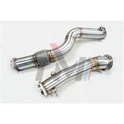
As a charge pipe supplier, we also understand the importance of other components in the overall performance of a vehicle. For example, a Full Catback Exhaust System can enhance the engine's exhaust flow, which in turn can improve the turbocharger's efficiency. A well - designed exhaust system reduces backpressure, allowing the turbocharger to spool up faster and maintain a more consistent boost pressure.
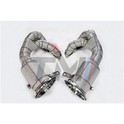
Similarly, a Stainless Steel Exhaust Tail Pipe not only adds a stylish look to the vehicle but also plays a role in the exhaust system's performance. Stainless steel is resistant to corrosion, which ensures the longevity of the tail pipe and helps maintain the overall efficiency of the exhaust system.
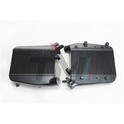
Another important component is the AMG GT Radiators. In a turbocharged or supercharged engine, the radiator is responsible for cooling the engine coolant, which helps regulate the engine's temperature. A properly functioning radiator is essential to prevent overheating, which can put additional stress on the charge pipe and other components.
Conclusion
In conclusion, a charge pipe can fail suddenly due to various factors such as material fatigue, clamp failure, high - pressure surges, and external damage. However, by being aware of the signs of an impending failure and taking preventive measures such as regular inspections, using high - quality components, and ensuring proper installation, you can minimize the risk of sudden charge pipe failure.
If you're in the market for a reliable charge pipe or other automotive components, we're here to help. Our team of experts can assist you in choosing the right products for your vehicle. Whether you're a car enthusiast looking to upgrade your vehicle's performance or a mechanic in need of high - quality parts, we can provide you with the solutions you need. Contact us today to start a procurement discussion and find out how we can meet your automotive component needs.
References
- "Automotive Turbocharger Systems: Theory and Practice" by Roger Stone
- "Internal Combustion Engine Fundamentals" by John B. Heywood
- Various automotive industry technical bulletins and research papers on turbocharged and supercharged engine components.