Hey there, car enthusiasts! As a titanium tailpipe supplier, I often get asked a bunch of questions about customizing vehicle exhaust systems. One of the most common queries I hear is, "Can I install a titanium tailpipe on a vehicle with a turbocharger?" Well, let's dive right into this topic and break it down.
First off, let's understand what a turbocharger does. A turbocharger is like a power - booster for your engine. It uses the exhaust gases that would otherwise go to waste to spin a turbine, which then forces more air into the engine. This extra air allows the engine to burn more fuel, resulting in increased power and performance.
So, can you install a titanium tailpipe on a turbocharged vehicle? The short answer is yes, you can. But there are a few things you need to consider before making the leap.
Advantages of Installing a Titanium Tailpipe on a Turbocharged Vehicle
1. Weight Reduction
Titanium is an incredibly lightweight material compared to traditional steel or even some other alloys used in exhaust systems. For a turbocharged vehicle, every bit of weight reduction matters. A lighter tailpipe means less overall weight on the vehicle, which can improve acceleration, handling, and fuel efficiency. When your turbocharger is pushing air into the engine, having less weight to move around makes the whole process more efficient.
2. Corrosion Resistance
Turbocharged engines tend to run hotter and produce more aggressive exhaust gases. Titanium has excellent corrosion resistance properties. This means that your tailpipe will last longer, even in the harsh environment created by a turbocharged engine. You won't have to worry about rust or other forms of corrosion eating away at your exhaust system, saving you money on replacements in the long run.
3. Aesthetics
Let's face it, a titanium tailpipe looks cool. It gives your vehicle a high - performance, race - car look. Whether you're a car show enthusiast or just want your ride to stand out on the street, a titanium tailpipe can add a touch of style to your turbocharged vehicle.
Considerations Before Installation
1. Compatibility
Not all titanium tailpipes are created equal. You need to make sure that the tailpipe you choose is compatible with your turbocharged vehicle. This includes factors such as the diameter of the tailpipe, the mounting points, and how it interfaces with the existing exhaust system. Some turbocharged vehicles have specific exhaust flow requirements, and an incompatible tailpipe can disrupt the flow, leading to decreased performance.
2. Backpressure
Backpressure is a crucial factor in a turbocharged exhaust system. A certain amount of backpressure is necessary for the turbocharger to function properly. When you install a new tailpipe, you need to ensure that it doesn't cause a significant drop in backpressure. If the backpressure is too low, the turbocharger may not spool up as quickly, resulting in a loss of power. On the other hand, if the backpressure is too high, it can put unnecessary stress on the engine and the turbocharger.
3. Tuning
In some cases, installing a new titanium tailpipe on a turbocharged vehicle may require some tuning. The engine control unit (ECU) of your vehicle is calibrated to work with the existing exhaust system. A new tailpipe can change the way the exhaust gases flow, which may affect the air - fuel mixture and other engine parameters. You may need to have your ECU re - tuned to optimize the performance of your vehicle after the installation.
Real - World Examples
Let's take a look at some popular turbocharged vehicles and how a titanium tailpipe can work for them.
Volkswagen Golf GTI
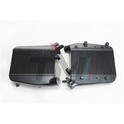
The Golf GTI Manifold is a well - known part of the Golf GTI's exhaust system. If you own a Golf GTI with a turbocharger, installing a titanium tailpipe can enhance its performance and appearance. The weight reduction can improve the car's already sporty handling, and the corrosion resistance ensures that your tailpipe will look good for years to come.


Volkswagen Mk8 GTI
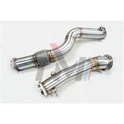
The Mk8 Gti Downpipe is an important component in the exhaust system of the Mk8 GTI. A titanium tailpipe can be a great addition to this turbocharged vehicle. It can work in harmony with the downpipe to optimize the exhaust flow, providing a boost in power and a more aggressive exhaust note.
American Cars with Turbochargers
For American cars with turbochargers, a Stainless Steel Cat Back Exhaust System is often a popular choice. But adding a titanium tailpipe can take it to the next level. The combination of the stainless - steel cat - back system and a titanium tailpipe can offer the best of both worlds: the durability of stainless steel and the lightweight and stylish benefits of titanium.
Installation Process
Installing a titanium tailpipe on a turbocharged vehicle is not a job for the faint - hearted. It's recommended that you have it done by a professional mechanic who has experience working with turbocharged exhaust systems. Here's a general overview of the installation process:
- Inspection: The mechanic will first inspect your existing exhaust system to ensure that it's in good condition and that the new tailpipe will fit properly.
- Removal: The old tailpipe will be removed from the vehicle. This may involve disconnecting it from the rest of the exhaust system and removing any mounting brackets.
- Fitting: The new titanium tailpipe will be carefully fitted to the existing exhaust system. The mechanic will make sure that the connections are secure and that the tailpipe is properly aligned.
- Testing: After the installation, the vehicle will be tested to ensure that the exhaust system is working properly. This may involve checking for leaks, listening to the exhaust note, and performing some basic performance tests.
Cost
The cost of installing a titanium tailpipe on a turbocharged vehicle can vary depending on several factors. The price of the tailpipe itself can range from a few hundred dollars to over a thousand dollars, depending on the brand, quality, and design. In addition to the cost of the tailpipe, you'll also need to factor in the cost of installation. Professional installation can cost anywhere from a couple of hundred dollars to more, depending on the complexity of the job.
Conclusion
So, to answer the question, "Can I install a titanium tailpipe on a vehicle with a turbocharger?" Yes, you can, but it's important to do your research and make sure that you're making the right choice for your vehicle. Consider the advantages, the potential issues, and the cost before making a decision.
If you're interested in purchasing a titanium tailpipe for your turbocharged vehicle, I'm here to help. As a supplier, I have a wide range of high - quality titanium tailpipes that are designed to work with various turbocharged vehicles. Whether you're looking for improved performance, better aesthetics, or both, I can provide you with the right product. Contact me to start a conversation about your specific needs and let's work together to enhance your vehicle's exhaust system.
References
- Automotive Exhaust Systems: Principles, Design, and Testing by John Heywood
- Turbocharger Technology: An Introduction by R. M. Wallace