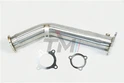
Do N57 Downpipes Need to be Re-torqued After Installation?
As a trusted supplier of N57 downpipes, I've received numerous inquiries from customers regarding the necessity of re-torquing these components after installation. This blog post aims to delve into this topic comprehensively, providing you with scientific insights and practical advice.
Understanding the N57 Downpipe
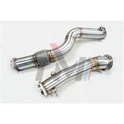
The N57 engine, developed by BMW, is a diesel inline - six engine known for its performance and efficiency. The downpipe plays a crucial role in the exhaust system of the N57 engine. It connects the turbocharger to the rest of the exhaust system, allowing the smooth flow of exhaust gases. A well - functioning downpipe can enhance engine performance by reducing backpressure, which in turn can lead to increased horsepower and torque.
The Importance of Torque in Downpipe Installation
Torque is the rotational force applied when tightening bolts or nuts. In the context of downpipe installation, proper torque is essential for several reasons. Firstly, it ensures a secure connection between the downpipe and other components of the exhaust system. A loose connection can result in exhaust leaks, which not only reduce engine performance but also pose a safety hazard due to the release of toxic exhaust gases. Secondly, correct torque helps distribute the clamping force evenly across the mating surfaces, preventing warping or damage to the components.
Thermal Cycling and Its Effects
One of the main reasons why re - torquing may be necessary after downpipe installation is thermal cycling. When the engine is running, the exhaust system experiences significant temperature changes. The downpipe can heat up to very high temperatures during operation and then cool down when the engine is turned off. This repeated heating and cooling process, known as thermal cycling, can cause the bolts to loosen over time.
As the metal components expand and contract with temperature changes, the initial torque applied to the bolts may decrease. If the bolts become too loose, the exhaust system can develop leaks, which can lead to a loss of power, increased noise, and potential damage to other parts of the engine.
Manufacturer Recommendations
Most manufacturers of N57 downpipes provide specific torque specifications for installation. These specifications are based on extensive testing and engineering analysis to ensure optimal performance and reliability. It is crucial to follow these recommendations during the initial installation process.
However, even when the correct torque is applied initially, the effects of thermal cycling can still cause the bolts to loosen. Some manufacturers may recommend re - torquing the downpipe bolts after a certain number of miles or hours of operation. This is typically done as a preventive measure to ensure that the exhaust system remains secure and leak - free.
How to Re - Torque N57 Downpipes
If you decide to re - torque your N57 downpipe, it is important to follow the correct procedure. First, allow the engine and exhaust system to cool down completely. This is because hot components can expand, and torquing them while they are hot may result in incorrect torque values once they cool down.
Next, use a torque wrench to check the torque of each bolt. The torque wrench allows you to apply a specific amount of force, ensuring that the bolts are tightened to the correct specification. If any of the bolts are found to be loose, carefully tighten them to the recommended torque value.
It is also a good idea to inspect the downpipe and other exhaust components for any signs of damage or wear during the re - torquing process. Look for cracks, corrosion, or other issues that may affect the performance of the exhaust system.


Other Considerations
In addition to thermal cycling, other factors can also affect the need for re - torquing. For example, if the vehicle is driven in harsh conditions, such as off - road or in areas with a lot of vibration, the bolts may be more likely to loosen. Similarly, if the downpipe has been subjected to significant stress, such as during a hard acceleration or deceleration, the torque on the bolts may change.
It is also important to note that over - torquing the bolts can be just as harmful as under - torquing. Over - torquing can cause the bolts to stretch or break, which can lead to a loss of clamping force and potential exhaust leaks. Therefore, it is essential to use a torque wrench and follow the manufacturer's specifications.
Related Products
If you are interested in other high - performance automotive components, we also offer a range of products such as the AMG GT53 Downpipe, Audi S4 S5 Headers, and 991 Turbo Intercooler. These products are designed to enhance the performance and efficiency of your vehicle.
Conclusion
In conclusion, re - torquing N57 downpipes after installation is often a necessary step to ensure the long - term performance and reliability of the exhaust system. Thermal cycling and other factors can cause the bolts to loosen over time, leading to potential exhaust leaks and performance issues. By following the manufacturer's recommendations and using a torque wrench, you can maintain a secure and leak - free exhaust system.
If you have any questions about N57 downpipes or other automotive components, or if you are interested in purchasing our products, please feel free to contact us for a detailed discussion and procurement negotiation. We are committed to providing you with high - quality products and excellent customer service.
References
- BMW N57 Engine Technical Manual
- Automotive Exhaust System Design and Engineering Textbooks
- Industry - standard Guidelines on Exhaust System Installation and Maintenance