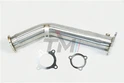
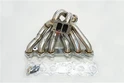
Adjusting the sound of an F80 M3 midpipe is a fascinating process that combines both art and science. As a supplier of F80 M3 midpipes, I've had the privilege of working closely with car enthusiasts and professionals to achieve the perfect exhaust note for their vehicles. In this blog post, I'll share some insights on how to adjust the sound of an F80 M3 midpipe, drawing from my experience in the industry.
Understanding the Basics of an F80 M3 Midpipe
Before delving into the adjustment process, it's essential to understand what an F80 M3 midpipe is and how it contributes to the overall exhaust system. The midpipe is a crucial component that connects the catalytic converters to the rear mufflers. It plays a significant role in shaping the sound of the exhaust by influencing the flow of exhaust gases.
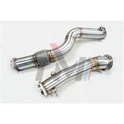
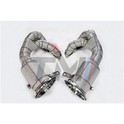
The F80 M3 midpipe is designed to optimize the performance of the vehicle while also enhancing its auditory appeal. It typically features a larger diameter than the stock midpipe, which allows for better exhaust gas flow and a more aggressive sound. Additionally, some midpipes may include resonators or other sound - modifying elements to fine - tune the exhaust note.
Factors Affecting the Sound of an F80 M3 Midpipe
Several factors can influence the sound produced by an F80 M3 midpipe. Understanding these factors is key to making effective adjustments.
1. Pipe Diameter
The diameter of the midpipe has a direct impact on the sound. A larger diameter midpipe generally results in a deeper, more aggressive sound. This is because it allows the exhaust gases to flow more freely, reducing backpressure and creating a more powerful exhaust note. However, increasing the diameter too much can lead to a loss of low - end torque and a less refined sound.
2. Resonators and Mufflers
Resonators are designed to cancel out specific frequencies, while mufflers are used to reduce overall noise levels. By adjusting the size, number, and placement of resonators and mufflers in the midpipe, you can fine - tune the sound. For example, removing a resonator can make the exhaust note louder and more aggressive, while adding a muffler can muffle the sound and make it more subdued.
3. Catalytic Converters
Catalytic converters play a role in reducing emissions but can also affect the sound of the exhaust. High - flow catalytic converters allow for better exhaust gas flow and can produce a more aggressive sound compared to stock catalytic converters. However, removing the catalytic converters entirely is illegal in many areas due to emissions regulations.
Steps to Adjust the Sound of an F80 M3 Midpipe
Step 1: Evaluate the Current Sound
The first step in adjusting the sound of an F80 M3 midpipe is to evaluate the current sound. Take the car for a test drive and pay attention to the tone, volume, and overall character of the exhaust note. Note any aspects that you like or want to change.
Step 2: Consider the Legal and Environmental Requirements
Before making any significant changes to the midpipe, it's important to consider the legal and environmental requirements in your area. As mentioned earlier, removing catalytic converters is often illegal due to emissions regulations. Make sure that any modifications you make comply with local laws.
Step 3: Modify the Resonators and Mufflers
If you want to make the exhaust note louder and more aggressive, you can consider removing or modifying the resonators. Some midpipes allow for easy removal of resonators, which can significantly change the sound. On the other hand, if the sound is too loud or harsh, you can add a muffler or replace the existing one with a more restrictive model.
Step 4: Adjust the Pipe Diameter
If you're looking for a more substantial change in the sound, you can consider upgrading to a midpipe with a larger diameter. However, this should be done carefully, as it can affect the performance of the vehicle. It's advisable to consult with a professional mechanic or exhaust specialist before making such a change.
Step 5: Test and Fine - Tune
After making any modifications, take the car for another test drive to evaluate the new sound. You may need to make further adjustments to achieve the desired sound. This could involve making small changes to the resonators, mufflers, or other components of the midpipe.
Complementary Products for Sound Enhancement
In addition to adjusting the F80 M3 midpipe, there are other products that can enhance the overall sound of the exhaust system. For example, the Mini Cooper F56 B48 Downpipe can improve exhaust gas flow and add a unique sound element to the vehicle. The 2.5 Inch Cat Back Exhaust is another option that can provide a more comprehensive upgrade to the exhaust system, resulting in a more powerful and refined sound. And the Catback Muffler can be used to fine - tune the sound and reduce noise levels if needed.
Conclusion
Adjusting the sound of an F80 M3 midpipe is a rewarding process that allows you to customize your vehicle's exhaust note to your preferences. By understanding the factors that affect the sound and following the steps outlined above, you can achieve the perfect balance between performance and auditory appeal.


If you're interested in purchasing an F80 M3 midpipe or any of the complementary products mentioned in this blog post, I encourage you to reach out to discuss your specific needs. Whether you're looking for a more aggressive sound or a more refined tone, we have the expertise and products to help you achieve your goals.
References
- Automotive Exhaust Systems: Design, Theory, and Practice. By John Heywood.
- Performance Exhaust Systems: Upgrade Your Ride's Sound and Power. By CarTech Books.