Hey there, fellow car enthusiasts! I'm a supplier of catback mufflers, and I've been getting a lot of questions lately about how these nifty little gadgets impact the fuel octane requirements of an engine. So, I thought I'd take a deep dive into this topic and share some insights with you all.
First off, let's talk about what a catback muffler is. A catback muffler is a part of the exhaust system that sits behind the catalytic converter. It's responsible for reducing the noise produced by the engine and also plays a role in improving the overall performance of the vehicle. When you install a catback muffler, you're essentially replacing the stock muffler with a more high - performance one.
Now, onto the big question: how does a catback muffler affect the fuel octane requirements of the engine? To understand this, we need to look at how the engine works and how the exhaust system interacts with it.
The engine in your car operates on a principle of combustion. Fuel and air are mixed in the cylinders, and then a spark plug ignites the mixture, causing an explosion that pushes the pistons down and powers the vehicle. The octane rating of the fuel is a measure of its resistance to knocking. Knocking is an undesirable phenomenon where the air - fuel mixture explodes prematurely in the cylinder, which can lead to engine damage over time.
A stock exhaust system is designed to meet a certain set of standards, including noise regulations and basic performance requirements. However, it may not be optimized for the most efficient combustion. When you install a catback muffler, you're changing the way the exhaust gases flow out of the engine. A high - quality catback muffler can improve the exhaust flow, which in turn can have several effects on the engine's operation.
One of the main effects is that it can increase the engine's volumetric efficiency. Volumetric efficiency is a measure of how well the engine can fill its cylinders with air - fuel mixture. When the exhaust flow is improved, the engine can expel the exhaust gases more easily, creating more space for fresh air - fuel mixture to enter the cylinders. This can lead to a more complete combustion process.
A more complete combustion process can have implications for the fuel octane requirements. In some cases, a catback muffler can actually allow the engine to run more efficiently on a lower octane fuel. This is because the improved exhaust flow helps to reduce the likelihood of knocking. With better combustion, the engine doesn't need the extra resistance to knocking that a higher octane fuel provides.
However, it's not always that simple. Some high - performance catback mufflers are designed to increase the power output of the engine significantly. When you increase the power output, the engine is working harder, and there's a greater chance of knocking. In these cases, you may actually need to use a higher octane fuel to prevent knocking.
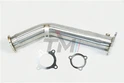
Let's take a look at some real - world examples. If you have a daily driver that you're just looking to give a bit of a performance boost and a nicer sound, a standard catback muffler might allow you to stick with the same octane fuel you've been using. But if you're into racing or you've got a high - performance vehicle like an AMG S63 Downpipes, you might need to up the octane rating of your fuel after installing a catback muffler.

Another factor to consider is the design of the catback muffler itself. Some mufflers are designed with a straight - through design, which allows for maximum exhaust flow. These types of mufflers are great for performance but can also increase the likelihood of knocking if the engine isn't properly tuned. On the other hand, some mufflers use a chambered design, which can muffle the sound while still providing a decent amount of exhaust flow.
If you've got a BMW with a B48 engine, and you're thinking about upgrading your exhaust system, you might also be interested in B48 Downpipe. These downpipes can work in conjunction with a catback muffler to further improve the exhaust flow and performance of your vehicle.
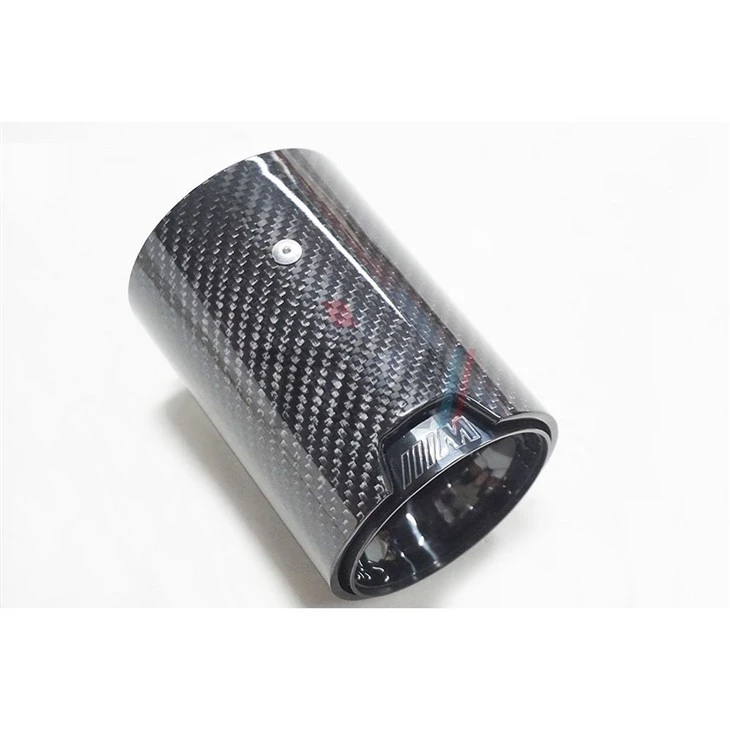
And for those of you who want to add a touch of style to your exhaust system, Carbon Fiber Tips are a great option. They not only look cool but can also have a minor impact on the exhaust flow.
So, as a catback muffler supplier, I always recommend that customers do their research before making a decision. If you're not sure how a catback muffler will affect your engine's fuel octane requirements, it's a good idea to consult with a professional mechanic or an automotive expert. They can take a look at your specific vehicle and engine and give you personalized advice.
In conclusion, a catback muffler can have both positive and negative impacts on the fuel octane requirements of an engine. It all depends on the design of the muffler, the type of vehicle, and how you use it. If you're looking for a performance boost and a better - sounding exhaust, a catback muffler can be a great investment. Just make sure you understand the potential implications for your fuel choice.
If you're interested in purchasing a catback muffler or have any questions about our products, don't hesitate to reach out. We're here to help you make the best decision for your vehicle. Whether you're a casual driver or a hardcore gearhead, we've got the right catback muffler for you. Contact us today to start the conversation and let's get your vehicle sounding and performing its best!
References
- "Automotive Engine Fundamentals" by Richard Stone
- "Exhaust Systems for Performance" by CarTech Books