When it comes to enhancing your vehicle's performance and sound, choosing the right aftermarket exhaust system is crucial. As an experienced exhaust system supplier, I've seen firsthand the impact that the right exhaust can have on a vehicle. In this blog post, I'll share some insights on how to choose the perfect aftermarket exhaust system for your vehicle.
Understanding Your Goals
The first step in choosing an aftermarket exhaust system is to understand your goals. Are you looking to improve your vehicle's performance, enhance its sound, or both? Different exhaust systems are designed to achieve different goals, so it's important to have a clear idea of what you want before you start shopping.
Performance Enhancement
If your primary goal is to improve your vehicle's performance, you'll want to look for an exhaust system that is designed to increase airflow. This can be achieved through a variety of means, including larger diameter pipes, high-flow catalytic converters, and free-flowing mufflers. By increasing airflow, you can reduce backpressure, which allows your engine to breathe more easily and produce more power.
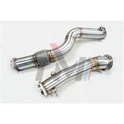
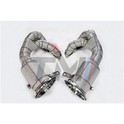
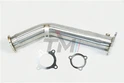
For example, the F96 X6M S68 Downpipes are designed to improve the performance of BMW F96 X6M vehicles. These downpipes feature larger diameter pipes and high-flow catalytic converters, which help to increase airflow and reduce backpressure. As a result, you can expect to see an improvement in horsepower, torque, and throttle response.
Sound Enhancement
If you're more interested in enhancing your vehicle's sound, you'll want to look for an exhaust system that is designed to produce a deeper, more aggressive tone. This can be achieved through the use of specific muffler designs, such as chambered mufflers or straight-through mufflers. Chambered mufflers use internal chambers to reflect and cancel out certain frequencies, while straight-through mufflers allow the exhaust gases to flow straight through, producing a louder, more aggressive sound.
The 981 Boxster Exhaust is a great example of an exhaust system that is designed to enhance the sound of a Porsche 981 Boxster. This exhaust system features a straight-through design and a high-quality muffler, which produces a deep, aggressive tone that is sure to turn heads.
Consider Your Vehicle
In addition to understanding your goals, it's also important to consider your vehicle when choosing an aftermarket exhaust system. Different vehicles have different engine sizes, configurations, and exhaust systems, so it's important to choose an exhaust system that is specifically designed for your vehicle.
Engine Size and Configuration
The size and configuration of your engine will play a significant role in determining the type of exhaust system that is best for your vehicle. Generally speaking, larger engines require larger diameter pipes to allow for greater airflow, while smaller engines can get by with smaller diameter pipes. Additionally, the configuration of your engine (e.g., V6, V8, straight-6) will also affect the design of the exhaust system.
Exhaust System Compatibility
It's also important to ensure that the aftermarket exhaust system you choose is compatible with your vehicle's existing exhaust system. This includes factors such as the mounting points, pipe diameter, and flange sizes. If the exhaust system is not compatible, it may not fit properly, which can lead to leaks, rattles, and other issues.
Evaluate the Quality
When choosing an aftermarket exhaust system, it's important to evaluate the quality of the product. A high-quality exhaust system will not only perform better and last longer, but it will also provide a better overall driving experience.
Material Quality
The material used to construct the exhaust system is one of the most important factors to consider. Exhaust systems are typically made from either stainless steel, aluminized steel, or titanium. Stainless steel is the most popular choice because it is corrosion-resistant, durable, and relatively inexpensive. Aluminized steel is also a good choice, but it is not as corrosion-resistant as stainless steel. Titanium is the most expensive option, but it is also the lightest and most corrosion-resistant.
Manufacturing Quality
In addition to the material quality, it's also important to consider the manufacturing quality of the exhaust system. Look for an exhaust system that is made by a reputable manufacturer and that has a good reputation for quality. You can also read online reviews and customer testimonials to get an idea of the quality of the product.
Budget Consideration
Finally, it's important to consider your budget when choosing an aftermarket exhaust system. Aftermarket exhaust systems can range in price from a few hundred dollars to several thousand dollars, depending on the brand, material, and features.
Set a Budget
Before you start shopping for an exhaust system, it's a good idea to set a budget. This will help you narrow down your options and ensure that you don't overspend. Keep in mind that while a more expensive exhaust system may offer better performance and quality, it may not necessarily be the best choice for your needs.
Compare Prices
Once you have a budget in mind, it's a good idea to compare prices from different manufacturers and retailers. This will help you find the best deal on the exhaust system that you want. However, be careful not to sacrifice quality for price. A cheap exhaust system may not perform as well or last as long as a more expensive one.
Conclusion
Choosing the right aftermarket exhaust system can be a challenging task, but it doesn't have to be. By understanding your goals, considering your vehicle, evaluating the quality, and setting a budget, you can find the perfect exhaust system for your needs. As an exhaust system supplier, I'm here to help you make the right choice. If you have any questions or need further assistance, please don't hesitate to contact me. We can discuss your specific requirements and find the best exhaust system for your vehicle together. Let's take your vehicle's performance and sound to the next level.


References
- Automotive Performance Exhaust Systems: A Technical Guide, author not specified, publisher not specified
- The Complete Book of Automotive Performance Modifications, author not specified, publisher not specified