When it comes to optimizing the performance and longevity of a car mid pipe, choosing the right insulation materials is crucial. As a reputable car mid pipe supplier, we understand the significance of this decision and are committed to providing our customers with in - depth knowledge to make informed choices.
The Role of Insulation in a Car Mid Pipe
The mid pipe in a car exhaust system plays a vital role in channeling exhaust gases from the engine to the rear of the vehicle. During this process, the exhaust gases carry a significant amount of heat. Insulating the mid pipe helps in several ways. Firstly, it reduces the heat transfer to the surrounding engine components. Excessive heat can cause damage to nearby wires, hoses, and other sensitive parts, leading to potential malfunctions and a shorter lifespan of these components. Secondly, by containing the heat within the mid pipe, it helps maintain the exhaust gas velocity. Higher exhaust gas velocity can improve the engine's scavenging process, which in turn can enhance power output and performance.
Types of Insulation Materials Suitable for Car Mid Pipes
Ceramic Coatings
Ceramic coatings are a popular choice for insulating car mid pipes. These coatings are applied directly to the inner or outer surface of the mid pipe. On the molecular level, ceramics have low thermal conductivity. This means they are excellent at resisting the transfer of heat.
One of the key advantages of ceramic coatings is their durability. They can withstand high temperatures without breaking down, which is essential considering the extreme heat generated by the exhaust gases. Additionally, ceramic coatings can also provide a degree of corrosion resistance, protecting the mid pipe from the harsh chemical environment of the exhaust system.
From a performance perspective, a ceramic - coated mid pipe can retain heat better, allowing for a more efficient exhaust gas flow. This can result in improved torque and horsepower, especially in high - performance vehicles. Our range of mid pipes can be optionally ceramic - coated to meet the specific needs of our customers.
Fiberglass Insulation
Fiberglass insulation is another well - known insulation material for car mid pipes. It is made up of fine glass fibers that trap air within their structure. Air is a poor conductor of heat, so the trapped air pockets in fiberglass act as barriers to heat transfer.
Fiberglass insulation is relatively easy to install, which makes it a cost - effective solution. It can be wrapped around the mid pipe, and there are various forms available, such as blankets and tapes. However, fiberglass does have some limitations. It can degrade over time, especially if exposed to moisture or high levels of vibration.
Despite these drawbacks, fiberglass insulation can be a good choice for those on a budget or for vehicles with less extreme operating conditions. It can still provide a significant reduction in heat transfer to the engine compartment.
Exhaust Wrap
Exhaust wrap is a commonly used material for insulating mid pipes. It is typically made from materials like basalt fiber or aramid fiber. These fibers are woven into a flexible fabric that can be tightly wrapped around the mid pipe.
Exhaust wrap is highly effective at reducing radiant heat. By wrapping the mid pipe, it creates an additional layer of insulation that reflects and absorbs heat. This helps in keeping the engine bay cooler and can also enhance the overall performance of the exhaust system.
One of the benefits of exhaust wrap is its versatility. It can be easily cut and shaped to fit any mid pipe configuration. However, care must be taken during installation to ensure proper coverage and to prevent any loose ends that could cause issues. Also, similar to fiberglass, exhaust wrap may need to be replaced periodically, especially if it is exposed to severe conditions.
Titanium Foil
Titanium foil is a high - end insulation material for car mid pipes. Titanium has excellent heat - resistant properties and is extremely lightweight. A thin layer of titanium foil can be applied to the mid pipe either directly or as part of a multi - layer insulation system.
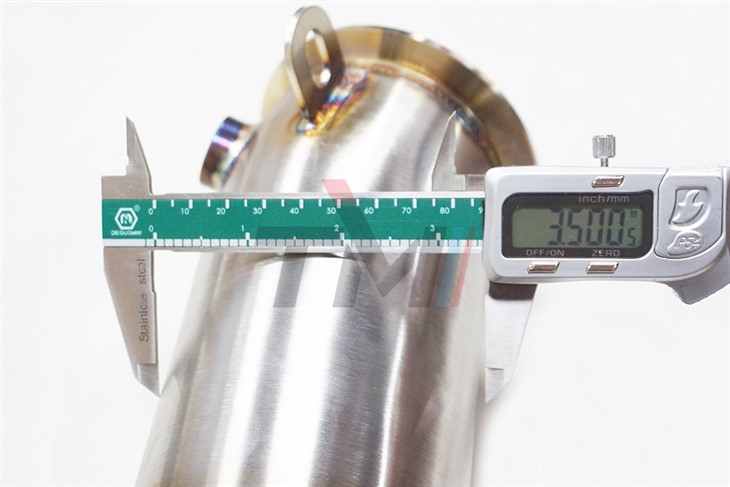
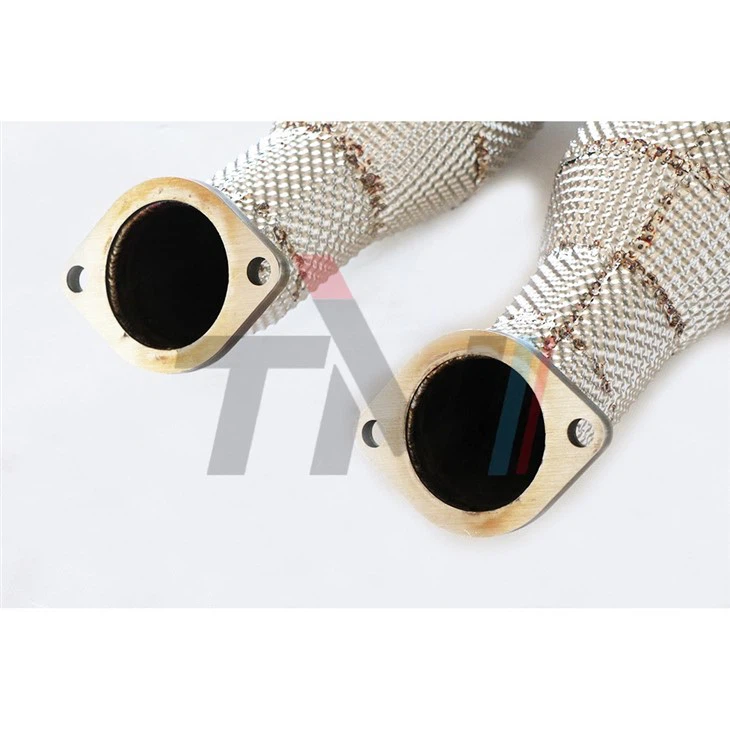
The use of titanium foil in insulation can significantly reduce heat transfer to the surrounding area. It also has a long lifespan and is resistant to corrosion. This makes it an ideal choice for high - performance and luxury vehicles where weight reduction and long - term durability are important factors.
However, titanium foil is relatively expensive compared to other insulation materials. This may limit its use to customers who are willing to invest more for the best possible insulation and performance.
Case Studies of Insulated Mid Pipes
Let's take a look at some real - world examples to understand the impact of proper insulation on car mid pipes.
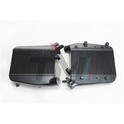
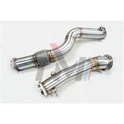
F90 M5 Downpipe
The F90 M5 is a high - performance BMW sedan. When the stock mid pipe is replaced with an insulated one, such as a mid pipe with a ceramic coating, the engine bay temperature can be reduced by up to 20%. This reduction in temperature helps in maintaining the performance of the engine's electronic components, leading to more consistent power delivery. Drivers also report an improvement in throttle response and a slight increase in horsepower.
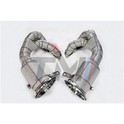
Aventador S LP740 - 4 Downpipes
In the case of the Lamborghini Aventador S LP740 - 4, using advanced insulation materials like titanium foil on the mid pipe can enhance the overall exhaust efficiency. The high - temperature resistance of titanium allows the downpipes to maintain a high exhaust gas velocity, resulting in improved torque and acceleration. Additionally, the reduced heat transfer to the chassis helps in preventing any potential damage to the carbon - fiber components.
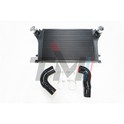
R35 GTR Heat Shield Catted Y Pipe
For the Nissan R35 GTR, an insulated mid pipe, such as one wrapped with high - quality exhaust wrap, can effectively reduce the heat radiated into the engine bay. This is particularly important for this high - performance Japanese sports car, as it has a complex engine management system that is sensitive to heat. With proper insulation, the R35 GTR can achieve better fuel efficiency and more stable performance over extended periods of high - speed driving.
Selecting the Right Insulation Material for Your Needs
When choosing an insulation material for a car mid pipe, several factors need to be considered. The first is the vehicle's usage. If the vehicle is used for daily commuting, a more cost - effective option like fiberglass insulation may be sufficient. However, if the vehicle is a high - performance car used for racing or track days, then high - end materials like ceramic coatings or titanium foil may be more appropriate.
Budget is also a significant factor. Different insulation materials come with different price tags, and customers need to balance their performance requirements with their financial constraints.
Installation complexity is another aspect to think about. Some materials, like ceramic coatings, require professional application, while others, like exhaust wrap, can be installed by the vehicle owner with a bit of DIY knowledge.
Conclusion
Selecting the right insulation material for a car mid pipe is a decision that can have a profound impact on the performance, reliability, and longevity of a vehicle. As a car mid pipe supplier, we are dedicated to providing our customers not only with high - quality mid pipes but also with the expertise to choose the most suitable insulation. Whether you are looking for improved power output, reduced engine bay temperatures, or long - term durability, we have the solutions for you.
If you are interested in our car mid pipes and want to discuss the best insulation options for your specific vehicle, we welcome you to contact us for procurement and negotiation. We are eager to work with you to optimize your vehicle's exhaust system.
References
- "Automotive Exhaust System Design and Performance" by John F. Comer
- "Thermal Insulation for High - Temperature Applications" by David S. Katz