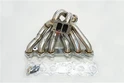
Hey there, fellow car enthusiasts! As a supplier of cat back exhausts, I've seen my fair share of dirty and clogged exhaust systems. Cleaning a cat back exhaust is not only crucial for maintaining your vehicle's performance but also for ensuring its longevity. In this blog post, I'll walk you through the step-by-step process of cleaning a cat back exhaust, share some tips and tricks, and also introduce you to some of our top products.
Why Clean Your Cat Back Exhaust?
Before we dive into the cleaning process, let's talk about why it's important to clean your cat back exhaust. Over time, exhaust systems accumulate carbon deposits, dirt, and debris. These build-ups can restrict the flow of exhaust gases, leading to reduced engine performance, decreased fuel efficiency, and even potential damage to your engine. By regularly cleaning your cat back exhaust, you can prevent these issues and keep your vehicle running smoothly.
What You'll Need
To clean your cat back exhaust, you'll need the following tools and materials:
- Safety gear: Gloves, safety glasses, and a dust mask to protect yourself from chemicals and debris.
- Cleaning solution: You can use a commercial exhaust cleaner or make your own by mixing equal parts of water and vinegar.
- Brushes: A variety of brushes, including wire brushes, pipe brushes, and soft-bristled brushes, to reach different areas of the exhaust.
- Pressure washer or hose: To rinse off the cleaning solution and debris.
- Rags or towels: To dry the exhaust after cleaning.
Step-by-Step Cleaning Process
Now that you have everything you need, let's get started with the cleaning process:


Step 1: Prepare Your Vehicle
- Park your vehicle on a flat surface and engage the parking brake.
- Let the engine cool down completely to avoid any burns or injuries.
- If possible, raise the vehicle using a jack and secure it with jack stands to make it easier to access the exhaust system.
Step 2: Inspect the Exhaust
- Take a close look at the exhaust system for any signs of damage, such as cracks, holes, or loose connections. If you notice any issues, it's best to have them repaired before cleaning the exhaust.
- Check the exhaust for any visible build-up of carbon deposits, dirt, or debris. This will give you an idea of how dirty the exhaust is and how much cleaning it will require.
Step 3: Apply the Cleaning Solution
- Put on your safety gear and carefully apply the cleaning solution to the exhaust system. You can use a spray bottle or a brush to apply the solution evenly.
- Make sure to cover all areas of the exhaust, including the pipes, muffler, and catalytic converter. Let the cleaning solution sit on the exhaust for a few minutes to allow it to break down the dirt and debris.
Step 4: Scrub the Exhaust
- Use the brushes to scrub the exhaust system thoroughly. Start with the wire brush to remove any stubborn carbon deposits and debris. Then, use the pipe brush to clean the inside of the pipes, and the soft-bristled brush to clean the exterior of the exhaust.
- Pay special attention to areas where there is a lot of build-up, such as the bends and curves in the pipes. Be careful not to scratch or damage the exhaust while scrubbing.
Step 5: Rinse the Exhaust
- Once you have scrubbed the exhaust system, use a pressure washer or hose to rinse off the cleaning solution and debris. Start from the top of the exhaust and work your way down, making sure to rinse all areas thoroughly.
- If you're using a hose, make sure the water pressure is strong enough to remove all the dirt and debris but not too strong to damage the exhaust.
Step 6: Dry the Exhaust
- Use a rag or towel to dry the exhaust system completely. Make sure to remove all the water from the pipes, muffler, and catalytic converter.
- Let the exhaust air dry for a few hours before starting the engine to ensure that it is completely dry.
Tips and Tricks
- Clean the exhaust regularly: To prevent excessive build-up of carbon deposits and debris, it's a good idea to clean your cat back exhaust every 6 to 12 months, depending on how often you drive your vehicle.
- Use a degreaser: If the exhaust is particularly dirty or greasy, you can use a degreaser to help break down the dirt and debris. Make sure to follow the instructions on the degreaser carefully and rinse the exhaust thoroughly after using it.
- Be gentle: When scrubbing the exhaust, be gentle to avoid scratching or damaging the exhaust. If you're using a wire brush, make sure to use it lightly and only on areas where there is a lot of build-up.
- Inspect the exhaust regularly: In addition to cleaning the exhaust, it's important to inspect it regularly for any signs of damage or wear. This will help you catch any issues early and prevent them from becoming more serious.
Our Top Products
As a supplier of cat back exhausts, we offer a wide range of high-quality exhaust systems for various makes and models of vehicles. Here are some of our top products:
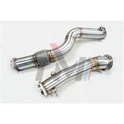
- AMG A45S W177 Downpipe: This downpipe is designed specifically for the AMG A45S W177 and is made from high-quality stainless steel. It features a mandrel-bent design for improved exhaust flow and performance.
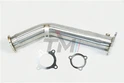
- RS3 Downpipe: Our RS3 downpipe is a popular choice among Audi RS3 owners. It is made from T304 stainless steel and features a high-flow design for increased horsepower and torque.
- 3 Inch Exhaust Tailpipe: This 3-inch exhaust tailpipe is a great way to enhance the look and performance of your Japanese car. It is made from high-quality stainless steel and features a polished finish for a sleek and stylish appearance.
Conclusion
Cleaning your cat back exhaust is an important part of maintaining your vehicle's performance and longevity. By following the steps outlined in this blog post and using the right tools and materials, you can easily clean your exhaust system and keep it in top condition. If you have any questions or need help choosing the right exhaust system for your vehicle, please don't hesitate to contact us. We're here to help you find the perfect exhaust solution for your needs.
References
- "How to Clean a Catalytic Converter." YourMechanic, 2023.
- "Exhaust System Maintenance." Car and Driver, 2023.