Yo, what's up everyone! I'm a supplier of catback mufflers, and today I wanna talk about how a catback muffler interacts with the oxygen sensors. It's a pretty interesting topic, and understanding this interaction can help you get the most out of your exhaust system.
First off, let's quickly go over what a catback muffler and oxygen sensors are. A catback muffler is a part of the exhaust system that comes after the catalytic converter. It's responsible for reducing the noise produced by the engine's exhaust gases and can also have an impact on the overall performance of your vehicle. On the other hand, oxygen sensors are crucial components in your car's engine management system. They measure the amount of oxygen in the exhaust gases and send this information to the engine control unit (ECU). The ECU then uses this data to adjust the air - fuel mixture for optimal combustion.


So, how do these two interact? Well, when you install a catback muffler, it can change the flow characteristics of the exhaust gases. The design of the muffler, including its internal chambers and baffles, can either restrict or enhance the flow of exhaust. If the flow is restricted too much, it can cause a build - up of exhaust gases before the oxygen sensors. This build - up can lead to inaccurate readings from the oxygen sensors.
Let's say you've installed a high - performance catback muffler that has a more free - flowing design. The exhaust gases will move through the system more quickly. This can sometimes cause the oxygen sensors to detect a leaner air - fuel mixture than what's actually going into the engine. The reason is that the faster - moving exhaust gases might not have enough time to fully mix with the remaining oxygen in the exhaust stream, giving the sensor the impression that there's more oxygen present.
Conversely, if the catback muffler is too restrictive, the exhaust gases will accumulate. This can make the oxygen sensors think that the air - fuel mixture is richer than it really is. The ECU, relying on these inaccurate readings, will then adjust the air - fuel mixture accordingly. For example, if it thinks the mixture is too rich, it might reduce the amount of fuel being injected into the engine. This can lead to a decrease in engine performance and potentially even cause the engine to run rough.
Another factor to consider is the backpressure created by the catback muffler. Backpressure is the resistance that the exhaust gases face as they flow through the exhaust system. Some older vehicles actually rely on a certain amount of backpressure for proper engine operation. When you install a new catback muffler, if it changes the backpressure significantly, it can again affect the oxygen sensor readings.
Now, let's talk about the long - term effects of these interactions. If the oxygen sensors are constantly getting inaccurate readings due to the catback muffler, it can lead to premature wear of the sensors themselves. The sensors are designed to work within a certain range of conditions, and if they're being exposed to abnormal exhaust gas conditions for an extended period, their lifespan can be shortened.
Also, incorrect air - fuel mixture adjustments based on faulty oxygen sensor readings can cause damage to other engine components. For example, running the engine too lean for a long time can cause overheating of the engine valves and pistons. On the other hand, running too rich can lead to carbon deposits on the spark plugs and in the combustion chambers.
When choosing a catback muffler, it's important to consider the compatibility with your vehicle's oxygen sensors. Some catback mufflers are specifically designed to work in harmony with the existing oxygen sensor system. These mufflers are engineered to maintain a proper exhaust gas flow and backpressure, ensuring that the oxygen sensors can provide accurate readings.
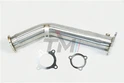
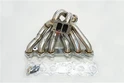
If you're into modifying your vehicle, you might also be interested in other exhaust components like G550 W463 Downpipes and N57 Downpipe. These downpipes can also have an impact on the exhaust gas flow and, consequently, the oxygen sensor readings. And if you want to add a stylish touch to your catback exhaust system, check out Catback Exhaust Tip.
As a catback muffler supplier, I've seen a lot of cases where people install a new muffler without fully understanding its impact on the oxygen sensors. That's why I'm here to share this knowledge. If you're thinking about buying a catback muffler, make sure to do your research. Look for mufflers that are known to work well with your vehicle's make and model.
We offer a wide range of catback mufflers that are designed to optimize the interaction with oxygen sensors. Our team has spent a lot of time testing and developing these products to ensure that they provide the best performance while maintaining the accuracy of the oxygen sensor readings.
If you're interested in purchasing a catback muffler or have any questions about how it might interact with your vehicle's oxygen sensors, don't hesitate to reach out. We're here to help you make the right choice for your vehicle. Whether you're looking for a muffler that gives you a deep, aggressive sound or one that focuses on performance, we've got you covered.
In conclusion, the interaction between a catback muffler and oxygen sensors is a complex but important aspect of your vehicle's exhaust system. By understanding how these two components work together, you can make informed decisions when it comes to upgrading your exhaust. So, if you're ready to take your vehicle's performance and sound to the next level, give us a shout. We're eager to assist you in finding the perfect catback muffler for your needs.
References
- "Automotive Exhaust Systems: Fundamentals, Diagnosis, and Repair" by James D. Halderman
- "Vehicle Engine Management Systems" by Richard A. Hagen