How does a midpipe influence the exhaust system's resonance?
The exhaust system of a vehicle is a complex network of components designed to manage the flow of exhaust gases from the engine to the atmosphere. Among these components, the midpipe plays a crucial role in shaping the performance and acoustic characteristics of the exhaust system, particularly in relation to resonance. As a midpipe supplier, I've witnessed firsthand how the design and installation of a midpipe can significantly impact the exhaust system's resonance. In this blog post, I'll delve into the science behind exhaust resonance, explore how midpipes influence it, and discuss the implications for vehicle performance and sound.
Understanding Exhaust Resonance
Resonance in an exhaust system occurs when the natural frequency of the exhaust gases matches the frequency of the engine's exhaust pulses. This phenomenon can lead to a significant increase in the amplitude of the sound waves within the exhaust system, resulting in a distinct and often amplified sound. Resonance can have both positive and negative effects on a vehicle. On the one hand, it can enhance the engine's performance by improving exhaust gas scavenging, which is the process of removing exhaust gases from the combustion chamber. On the other hand, excessive resonance can cause unwanted noise and vibrations, which can be a nuisance for the driver and passengers.
The frequency of exhaust resonance is determined by several factors, including the length and diameter of the exhaust pipes, the number of cylinders in the engine, and the engine's operating speed. Longer pipes tend to have lower resonant frequencies, while shorter pipes have higher resonant frequencies. Similarly, larger diameter pipes can reduce the resonant frequency, while smaller diameter pipes can increase it.
The Role of the Midpipe in Exhaust Resonance
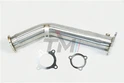
The midpipe is a section of the exhaust system that connects the catalytic converter to the rear muffler or resonator. It plays a crucial role in managing the flow of exhaust gases and influencing the exhaust system's resonance. One of the primary ways the midpipe affects resonance is by altering the length and diameter of the exhaust path.
By changing the length of the midpipe, we can adjust the resonant frequency of the exhaust system. For example, a longer midpipe will lower the resonant frequency, while a shorter midpipe will raise it. This adjustment can be used to fine-tune the exhaust note and optimize the engine's performance. A midpipe with a carefully calculated length can help to enhance the engine's torque and horsepower by improving the scavenging effect at specific engine speeds.
The diameter of the midpipe also has a significant impact on exhaust resonance. A larger diameter midpipe can reduce the backpressure in the exhaust system, allowing the exhaust gases to flow more freely. This can lead to a lower resonant frequency and a deeper, more aggressive exhaust note. However, if the diameter is too large, it can also cause a loss of exhaust gas velocity, which can negatively affect the engine's performance. On the other hand, a smaller diameter midpipe can increase the backpressure and raise the resonant frequency, resulting in a higher-pitched exhaust note.
In addition to length and diameter, the design of the midpipe can also influence exhaust resonance. For example, some midpipes are equipped with resonators or baffles, which are chambers or structures designed to absorb or cancel out certain frequencies of sound. These devices can be used to reduce unwanted resonance and improve the overall sound quality of the exhaust system.
Real-World Examples
To illustrate the impact of midpipes on exhaust resonance, let's consider a few real-world examples. Suppose you have a sports car with a stock exhaust system that produces a relatively subdued exhaust note. By installing a performance midpipe, you can significantly enhance the sound and performance of the vehicle.
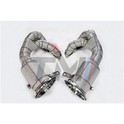
For instance, if you own an Audi S5 B9, you might consider upgrading to a S5 B9 Downpipe. This high-performance downpipe can improve the exhaust gas flow and reduce backpressure, resulting in a more aggressive exhaust note and increased horsepower. The midpipe section of the downpipe can be designed to optimize the exhaust resonance at specific engine speeds, enhancing the overall driving experience.
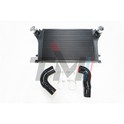
Similarly, for Volkswagen Mk7 GTI owners, a Mk7 Gti Catback system can provide a noticeable improvement in sound and performance. The midpipe in this system is engineered to work in harmony with the other components of the exhaust system, ensuring optimal exhaust gas flow and resonance control.
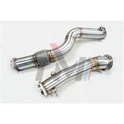
Another example is the BMW F82 M4. Upgrading to a F82 M4 Downpipe can transform the exhaust note of this high-performance vehicle. The midpipe in the downpipe assembly is designed to enhance the engine's performance and produce a deep, throaty exhaust sound that is sure to turn heads.
Implications for Vehicle Performance and Sound
The influence of the midpipe on exhaust resonance has several implications for vehicle performance and sound. From a performance perspective, a well-designed midpipe can improve the engine's efficiency by optimizing the exhaust gas flow and scavenging effect. This can result in increased torque and horsepower, particularly at mid to high engine speeds.
In terms of sound, the midpipe can be used to create a unique and desirable exhaust note. By adjusting the resonant frequency, we can achieve a wide range of sounds, from a quiet and subdued purr to a loud and aggressive roar. This allows vehicle owners to customize the sound of their cars to suit their personal preferences.
However, it's important to note that modifying the exhaust system, including the midpipe, can have legal implications in some areas. In many countries and states, there are strict regulations regarding vehicle noise levels and emissions. Before making any modifications to your vehicle's exhaust system, it's essential to check the local laws and regulations to ensure compliance.


Conclusion
In conclusion, the midpipe plays a crucial role in influencing the exhaust system's resonance. By altering the length, diameter, and design of the midpipe, we can adjust the resonant frequency of the exhaust system, which has significant implications for vehicle performance and sound. As a midpipe supplier, I understand the importance of providing high-quality midpipes that are designed to optimize resonance and enhance the overall driving experience.
If you're interested in upgrading your vehicle's exhaust system or learning more about how midpipes can influence resonance, I encourage you to contact me for a consultation. We can discuss your specific needs and requirements and help you find the perfect midpipe solution for your vehicle. Whether you're looking for improved performance, a unique exhaust sound, or both, we have the expertise and products to meet your expectations.
References
- Heywood, J. B. (1988). Internal Combustion Engine Fundamentals. McGraw-Hill.
- Taylor, C. F. (1966). The Internal Combustion Engine in Theory and Practice. MIT Press.
- Stone, R. (1999). Introduction to Internal Combustion Engines. Society of Automotive Engineers.