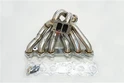
Hey there, folks! As a charge pipe supplier, I've seen my fair share of cracked charge pipes over the years. It's a common issue that can cause a whole heap of problems for your vehicle. So, today I'm gonna break down what causes a charge pipe to crack and how you can prevent it.
First off, let's talk about what a charge pipe actually does. A charge pipe is an essential part of your vehicle's turbocharging system. It connects the turbocharger to the intercooler or throttle body, carrying the compressed air from the turbo to where it needs to go. This compressed air is crucial for increasing the engine's power and efficiency.
Now, onto the main question: what causes these charge pipes to crack?
1. Heat Stress
One of the biggest culprits is heat stress. The air coming out of the turbocharger is extremely hot, sometimes reaching temperatures well over 200 degrees Celsius. This hot air flows through the charge pipe, and if the pipe isn't made of a material that can handle such high temperatures, it can start to break down.
For example, some cheaper charge pipes are made of plastic or low - grade aluminum. These materials expand and contract at different rates when exposed to heat, which creates stress within the pipe. Over time, this stress can lead to cracks. If you're looking for a more heat - resistant option, consider upgrading to a high - quality charge pipe made of stainless steel or a specialized heat - treated aluminum alloy.
2. Pressure Fluctuations
The turbocharging system creates a lot of pressure. When the turbo spools up, it forces a large volume of air into the charge pipe at high speed. This sudden increase in pressure can put a tremendous amount of strain on the pipe.
On the other hand, when you let off the throttle, the pressure in the system drops rapidly. These constant pressure fluctuations can weaken the charge pipe over time. It's like bending a paperclip back and forth; eventually, it will break. To combat this, some charge pipes are designed with reinforced walls or special bends to better handle these pressure changes.
3. Vibration
Your vehicle's engine vibrates a lot when it's running. This vibration can be transferred to the charge pipe, especially if it's not properly secured. Over time, the constant shaking can cause the pipe to fatigue and crack.
Make sure your charge pipe is properly mounted with good quality clamps and brackets. If you notice any excessive movement or rattling of the charge pipe, it's a sign that the mounting needs to be checked.
4. Corrosion
If your charge pipe is exposed to moisture, road salt, or other corrosive substances, it can start to rust or corrode. This is especially true for pipes made of metal. Corrosion weakens the structure of the pipe, making it more prone to cracking.
Regularly inspect your charge pipe for signs of rust or corrosion. If you live in an area with harsh winters or near the coast, you may need to take extra precautions, like applying a protective coating to the pipe.
5. Improper Installation
Installing a charge pipe incorrectly can also lead to cracking. If the pipe is bent too much during installation, it can create weak points. Also, if the clamps are too tight or too loose, it can cause uneven stress on the pipe.
When installing a charge pipe, follow the manufacturer's instructions carefully. If you're not confident in your abilities, it's always a good idea to have a professional do the installation for you.
6. Impact Damage
Sometimes, a charge pipe can crack due to physical impact. For example, if you hit a rock or debris on the road, it could damage the pipe. Also, during maintenance or other work on the vehicle, the charge pipe could get accidentally bumped or knocked.
To prevent impact damage, make sure your vehicle has proper underbody protection. And when working on your car, be extra careful around the charge pipe.
Now, let's talk about some related products that can help improve your vehicle's performance and reduce the risk of charge pipe issues.
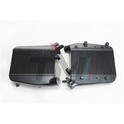
If you own a Porsche 991 Turbo, you might be interested in the 991 Turbo Intercooler. A good intercooler can help cool down the compressed air from the turbocharger, reducing the heat stress on the charge pipe.


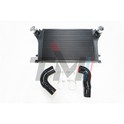
For Mini Cooper owners, the Mini Cooper Intercooler is a great upgrade. It can enhance the efficiency of your turbocharging system and potentially extend the life of your charge pipe.
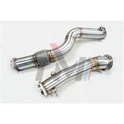
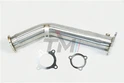
And if you have a Mercedes - Benz G63 W463, the G63 W463 Downpipes can improve the exhaust flow, which in turn can reduce the back - pressure on the turbocharger and charge pipe.
As a charge pipe supplier, I know how important it is to have a reliable charge pipe for your vehicle. If you're experiencing issues with your charge pipe or are looking to upgrade, I'd love to talk to you. Whether you're a car enthusiast looking to boost your vehicle's performance or a mechanic in need of high - quality parts for your customers, I've got you covered.
Don't hesitate to reach out to discuss your specific needs. We offer a wide range of charge pipes in different materials and designs to suit various vehicles. Let's work together to keep your turbocharging system running smoothly.
References
- Automotive Engineering Handbook: Turbocharging Systems
- Online forums and communities for car enthusiasts discussing charge pipe failures.
- Manufacturer's manuals for various charge pipes and related components.