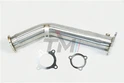
As a car downpipe supplier deeply entrenched in the automotive aftermarket, I've witnessed firsthand the transformative power of a well - engineered downpipe on a turbocharged engine. One of the most frequently discussed aspects is its impact on the turbo's spool - up time. In this blog, I'll delve into the science behind it, explore real - world implications, and share insights that can help you make informed decisions for your vehicle.


Understanding Turbo Spool - Up Time
Before we dive into the role of a downpipe, it's crucial to understand what turbo spool - up time means. In a turbocharged engine, the turbocharger uses exhaust gases to spin a turbine, which in turn drives a compressor. The compressor forces more air into the engine's cylinders, allowing it to burn more fuel and produce more power. Turbo spool - up time is the duration it takes for the turbocharger to reach its optimal operating speed from a standstill or low - speed operation. A shorter spool - up time means the engine can access the additional power provided by the turbocharger more quickly, resulting in better acceleration and responsiveness.
The Function of a Car Downpipe
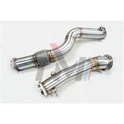
The downpipe is a critical component of the exhaust system. It connects the turbocharger's turbine housing to the rest of the exhaust system. Its primary function is to guide the high - velocity exhaust gases away from the turbocharger. In a stock downpipe, there are often restrictions such as catalytic converters and small - diameter pipes. These restrictions can impede the flow of exhaust gases, creating backpressure.
How a Downpipe Affects Turbo Spool - Up Time
- Reduction of Backpressure
- One of the main ways a performance downpipe impacts turbo spool - up time is by reducing backpressure. When the exhaust gases can flow more freely through the downpipe, the turbocharger doesn't have to work as hard to expel the exhaust. This means the turbine can spin up more quickly. For example, in a stock downpipe with a catalytic converter that is partially clogged over time, the backpressure can build up significantly. A high - flow downpipe, on the other hand, allows the exhaust to exit the system with less resistance, enabling the turbo to reach its optimal speed faster.
- Improved Exhaust Gas Velocity
- A well - designed downpipe can also improve the velocity of the exhaust gases. By using a larger - diameter pipe and minimizing bends and kinks, the exhaust gases can maintain their momentum as they travel through the downpipe. This increased velocity helps to spin the turbine more effectively. For instance, a smooth, straight - walled downpipe can enhance the scavenging effect, where the exiting exhaust gases create a low - pressure area that helps to draw more exhaust gases out of the cylinders. This not only improves the overall efficiency of the engine but also contributes to a quicker turbo spool - up.
Case Studies and Real - World Performance
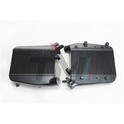
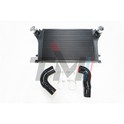
Let's take a look at some real - world examples to illustrate the impact of a downpipe on turbo spool - up time. In a test on a turbocharged Volkswagen Mk8 GTI, upgrading to a performance downpipe showed a noticeable reduction in turbo lag. The Mk8 Gti Intercooler also worked in tandem with the downpipe to improve the overall performance. The car was able to accelerate more briskly from low speeds, and the turbocharger seemed to spool up almost instantaneously when the throttle was pressed.
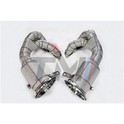
Another example is an Audi RS6 C8. The stock downpipes on this high - performance vehicle can be a limiting factor. After installing RS6 C8 Downpipes, the turbo spool - up time was significantly reduced. The car felt more responsive, and the power delivery was smoother across the RPM range. The driver no longer had to wait for the turbo to kick in; instead, the power was available right when needed.
Other Benefits of a Performance Downpipe
- Increased Horsepower and Torque
- Along with reducing turbo spool - up time, a performance downpipe can also increase the overall horsepower and torque of the engine. By allowing the engine to breathe better, more air - fuel mixture can be burned, resulting in more power output.
- Enhanced Sound
- A downpipe can also change the sound of the exhaust. It gives the engine a deeper, more aggressive tone. For many car enthusiasts, this is an added bonus. You can further enhance the exhaust sound with a Titanium Tailpipe, which not only looks great but also adds to the overall aesthetic and auditory experience of the vehicle.
Considerations When Choosing a Downpipe
- Legal Compliance
- Before installing a downpipe, it's important to check local laws and regulations. Some areas have strict emissions standards, and removing or modifying the catalytic converter in the downpipe may be illegal. There are, however, high - flow catalytic converters available that can provide a good balance between performance and legal compliance.
- Material and Build Quality
- The material of the downpipe is crucial. Stainless steel is a popular choice due to its durability and resistance to corrosion. Make sure the downpipe is well - constructed, with smooth welds and a proper fitment. A poorly made downpipe can lead to leaks and other issues that may negate the performance benefits.
Conclusion
In conclusion, a car downpipe can have a profound impact on the turbo's spool - up time. By reducing backpressure, improving exhaust gas velocity, and offering other performance benefits, a high - quality downpipe can transform the driving experience of a turbocharged vehicle. Whether you're looking for better acceleration, increased power, or a more aggressive exhaust note, a performance downpipe is a worthy investment.
If you're interested in upgrading your vehicle's downpipe or have any questions about our products, I encourage you to reach out. We're here to help you make the best choice for your car and can provide you with detailed information and support throughout the purchasing process. Let's work together to enhance your vehicle's performance and take your driving experience to the next level.
References
- Bosch Automotive Handbook, 7th Edition
- SAE International Journal of Engines
- Various automotive performance magazines and online forums