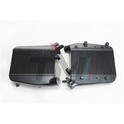
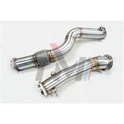
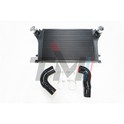
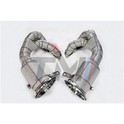
Hey there, car enthusiasts! As a supplier of N20 intercoolers, I've spent a ton of time diving deep into the nitty - gritty details of these parts and how they interact with other components in a car's system. Today, I'm gonna talk about the relationship between the N20 intercooler and the intercooler piping.
First off, let's get a basic understanding of what an N20 intercooler is. The N20 engine is a turbocharged four - cylinder engine produced by BMW. The intercooler in an N20 setup plays a crucial role. Its main job is to cool down the compressed air coming from the turbocharger. When air is compressed by the turbo, it heats up. Hot air is less dense than cold air, which means it has fewer oxygen molecules per unit volume. In a combustion engine, oxygen is essential for burning fuel. So, by cooling the compressed air, the intercooler increases the air density, allowing more fuel to be burned, and ultimately boosting the engine's power output.
Now, let's turn our attention to the intercooler piping. This is the network of tubes that connects the turbocharger, the intercooler, and the engine intake manifold. The piping is responsible for transporting the compressed air from the turbocharger to the intercooler and then from the intercooler to the engine. It's like the circulatory system of the engine's forced - induction setup, ensuring that the air flows smoothly and efficiently.
The relationship between the N20 intercooler and the intercooler piping is a symbiotic one. They rely on each other to function properly. For starters, the size and design of the intercooler piping can have a significant impact on the performance of the intercooler. If the piping is too narrow, it can create a bottleneck. The compressed air will have a hard time flowing through, which can lead to increased pressure drop. A high pressure drop means that the turbocharger has to work harder to push the air through the system, reducing its efficiency and potentially limiting the amount of air that reaches the engine.
On the other hand, if the piping is too large, it can cause the air to lose velocity. The air needs to maintain a certain speed to ensure proper mixing with the fuel in the engine's combustion chamber. When the air velocity drops, the combustion process can become less efficient, leading to a decrease in power and an increase in emissions.
The material of the intercooler piping also matters. Many stock intercooler pipes are made of plastic or rubber. While these materials are lightweight and relatively inexpensive, they have some drawbacks. Plastic pipes can crack over time, especially when exposed to high temperatures and pressure. Rubber pipes can expand under pressure, which can also lead to a loss of pressure and efficiency. Upgrading to metal pipes, such as aluminum or stainless steel, can provide better durability and performance. Metal pipes are less likely to crack or expand, ensuring a more consistent flow of air.


Another important aspect of the relationship between the N20 intercooler and the intercooler piping is the connection points. The pipes need to be securely attached to the intercooler and other components to prevent air leaks. Even a small air leak can have a big impact on the engine's performance. It can cause a loss of boost pressure, which means less power. Moreover, air leaks can introduce unmetered air into the engine, which can mess up the fuel - air mixture and lead to poor combustion.
Now, let's talk about how this all ties into the overall performance of your car. When you upgrade your N20 intercooler, it's often a good idea to consider upgrading the intercooler piping as well. A high - performance intercooler can cool the compressed air more effectively, but if the piping can't handle the increased airflow, you won't be able to fully take advantage of the intercooler's capabilities.
For example, if you install a larger, more efficient N20 intercooler, but keep the stock, narrow piping, the intercooler might not receive enough air to operate at its best. The increased cooling capacity of the intercooler will be wasted because the air can't flow through the system fast enough. On the other hand, if you upgrade the piping to a larger diameter and better - quality material, you can ensure that the intercooler gets a steady supply of compressed air, allowing it to cool the air and increase the engine's power output.
As a supplier of N20 intercoolers, I've seen firsthand how the right combination of intercooler and piping can transform a car's performance. Whether you're a casual driver looking for a little more oomph or a serious racer aiming for the best lap times, getting the relationship between these two components right is crucial.
If you're into car modifications, you might also be interested in other performance - enhancing parts. For instance, check out the A5 B9 Downpipe. It can significantly improve the exhaust flow of your Audi A5 B9, leading to better performance. And if you own a BMW F82 M4, the F82 M4 Downpipe is a great upgrade to increase the engine's power. Also, the Car Mid Pipe can enhance the overall exhaust system of your BMW.
In conclusion, the N20 intercooler and the intercooler piping are two essential components in a car's forced - induction system. They work together to ensure that the engine gets the right amount of cool, dense air for optimal performance. If you're thinking about upgrading your N20 intercooler, don't forget to consider the state of your intercooler piping. A well - matched combination of these two parts can make a world of difference in your car's power, efficiency, and overall driving experience.
If you're interested in purchasing an N20 intercooler or have any questions about how it works with the intercooler piping, feel free to reach out. I'm here to help you make the best choices for your car. Let's talk and see how we can take your car's performance to the next level.
References
- Automotive Engineering textbooks
- Online car modification forums
- Manufacturer's specifications for N20 engines and related components